Guava juice could be key to anaemia reduction in lower-income countries
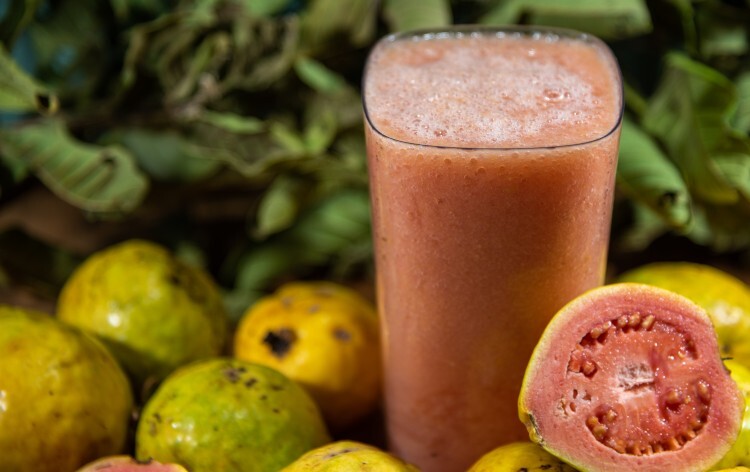
Regular consumption of guava juice could be an accessible and affordable way to lower the risk of anaemia for women in low- and middle-income countries, according to conclusions drawn from evidence published in BMJ Nutrition Prevention & Health.
Twelve studies from Indonesia involving 235 participants were included in a pooled analysis.
Overall, haemoglobin levels increased by an average of 1.71 grams per decilitre (g/dl) following guava juice consumption.
Related Article: STI figures fall as syphilis hits decade low for gay and bisexual men
Among teenage girls, the average rise was 1.52g/dl, while pregnant women saw a typical increase of 1.84g/dl.
Across five comparison studies involving a total of 204 participants, haemoglobin levels were on average 1.29g/dl higher among those receiving both guava juice and iron supplementation than those receiving supplements alone.
According to the researchers, an increase of 1 to 2g/dl could shift individuals from mild or moderate anaemia to non-anaemic categories, with the result of lower fatigue, enhanced cognitive function and greater productivity.
Iron deficiency anaemia is a common condition among teenage girls and pregnant women in low- and middle-income countries.
Related Article: Study links opioid addiction to higher risk of dementia
However, guava fruit is a rich, affordable source of nutrition in many Asian countries, containing up to four times as much vitamin C per 100g as oranges, as well as vitamin A, folate, dietary fibre and modest amounts of iron.
The researchers suggest that integrating guava juice into school nutrition programmes, antenatal care packages or community health initiatives could be a feasible approach to address mild-to-moderate anaemia.
They also observe that strengthening local supply chains, standardising formulations and embedding the dietary approach within public health nutrition programmes could all contribute to more sustainable anaemia control.
Related Article: Hay fever 101: what pharmacist need to know about pollen
Professor Sumantra Ray, chief scientist and executive director at NNEdPro Global Institute for Food, Nutrition and Health, said: 'This study builds on the established role of dietary sources high in vitamin C to enhance iron absorption and improve the effectiveness of iron supplementation.’
However, he added that quasi-experimental research, the wide variation in study design, small sample sizes, and limited length of follow-up mean that caution should be used when interpreting the findings.

Keep your clinical knowledge up to date with The Pharmacist
Extend your learning and record your learning outcomes
Have your say
Please add your comment in the box below. You can include links, but HTML is not permitted. Please note that comments are not moderated before publication and the views expressed are those of the user and do not reflect the views of The Pharmacist. Remember that submission of comments is governed by our Terms and Conditions. You can also read our full guidelines on article comments here – but please be aware that you are legally liable for any libellous or offensive comments that you make. If you have a complaint about a comment or are concerned that a comment breaches our terms and conditions, please use the ‘Report this comment’ function to alert our web team.