Community pharmacies were ‘underutilised’ in the early stages of Covid vaccine rollout
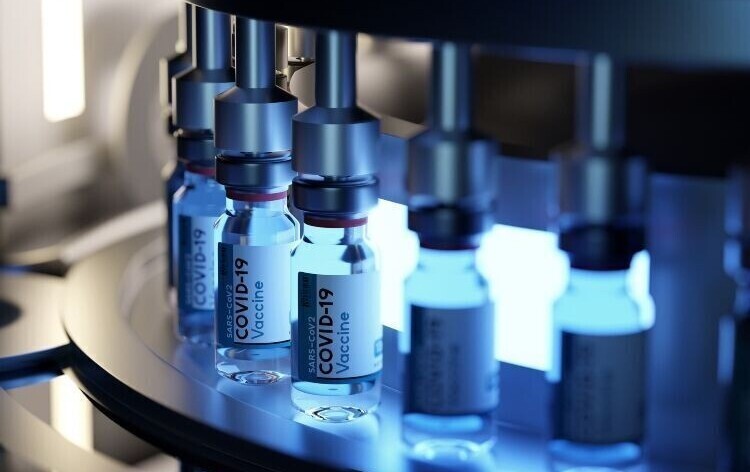
Community pharmacies were ‘underutilised’ in the early stages of Covid vaccine rollout and should be used earlier in future outbreaks, a report into the UK’s response to the pandemic has said.
The independent UK Covid-19 Inquiry said it heard ‘concern[s] that pharmacies were underutilised' in the early stages of vaccine rollout due to the operating requirements placed on them.
It said that the specifications set by NHS England in January 2021 included requirements for pharmacies to operate minimum opening hours of 8am to 8pm seven days a week and to vaccinate at least 1,000 people each week, which ruled out all but the largest pharmacies.
Its new report said that NHS England had initially felt that pharmacies would be less efficient at delivering high volumes of Covid vaccinations compared with larger sites such as GP surgeries.
However, the service specifications that restricted the involvement of pharmacies in the vaccine deployment programme were gradually relaxed and 1,500 community pharmacy-led vaccination sites had been established in England by the end of 2021.
Related Article: Northern Ireland to make paper prescriptions ‘a thing of the past’
These sites were responsible for 20% of all Covid vaccinations delivered during the first year of rollout, the report found.
The report said: 'The inquiry understands the concern that pharmacies were underutilised at the start of the pandemic. Pharmacies were a useful way of reaching people in a convenient and familiar way within their local community and proved to be integral to the delivery programme.
'However, the delivery and storage requirements of the vaccines acted as a constraint in the first few months of vaccine rollout. The desire to avoid waste and initially to restrict their use was reasonable.
‘In a future pandemic, vaccine deployment planners should use community pharmacies at an earlier stage, unless there are clear logistical barriers to doing so.
‘This will be especially effective in areas likely to have lower vaccine uptake and where travel may be a barrier to vaccine access.’
The evidence was given as part of the inquiry's module 4 investigation into vaccines and therapeutics which considered the development and deployment of vaccines and therapeutics in the UK during the Covid-19 pandemic.
The report, published today, found that community pharmacies in Northern Ireland were not used at all to deliver vaccines until March 2021, at which time 350 pharmacies joined the programme.
In Wales pharmacies played a smaller role than GP practices and in Scotland they were only used to deliver 0.1% of Covid vaccines as of June 2022, it added.
Overall, the report said approximately 132 million Covid vaccinations were given across the four nations in 2021, making it the largest vaccination programme in UK history.
Related Article: Upcoming workforce plan must recognise pharmacy teams are essential to neighbourhood healthcare
By July 2021, 86.8% of the adult population in England, 89% in Scotland, 90.1% in Wales, and 81.6% in Northern Ireland had received at least one vaccination dose.
The inquiry report praised the ‘extraordinary efforts’ of people across the UK who delivered the vaccine rollout and described it as a ‘great achievement’, especially given that healthcare workers were at the highest risk of infection during the pandemic.
But the report also warned that while the UK’s research and development response to the pandemic was ‘timely, effective, and, in many respects, world-leading’, the current picture was ‘more negative’.
In September 2025, pharmaceutical giant Merck announced it was not going ahead with a planned £1 billion expansion on its UK operations and in the same month, AstraZeneca paused plans to invest £200 million at a research site in Cambridge, the report said.
US drug company Eli Lilly and French pharmaceutical company Sanofi have also paused substantial investments in the UK, it added.
The inquiry concluded that it is ‘vital’ to maintain investment in the life sciences sector and recommended establishing a pharmaceutical expert advisory panel to oversee the UK’s preparedness to develop, procure and manufacture vaccines.
Related Article: Hay fever 101: what pharmacist need to know about pollen
It suggested four other measures to ensure the UK is better placed to develop and deliver vaccines in any future pandemic, which include:
- Producing targeted vaccination strategies and communications to increase vaccine uptake and reduce inequalities;
- Improving monitoring and evaluation of vaccine uptake and delivery to understand the most effective ways of increasing vaccine uptake;
- Facilitating regulatory bodies’ access to healthcare records;
- Reforming the Vaccine Damage Payment Scheme.
Baroness Hallett, chair of the UK Covid Inquiry, said: ‘We cannot know when, but there will be another pandemic. My recommendations, taken as a whole, should mean that the UK is better prepared for that pandemic.
‘I urge governments across the UK to work individually and collectively to implement these recommendations, in full and in a timely manner.’

Have your say
Please add your comment in the box below. You can include links, but HTML is not permitted. Please note that comments are not moderated before publication and the views expressed are those of the user and do not reflect the views of The Pharmacist. Remember that submission of comments is governed by our Terms and Conditions. You can also read our full guidelines on article comments here – but please be aware that you are legally liable for any libellous or offensive comments that you make. If you have a complaint about a comment or are concerned that a comment breaches our terms and conditions, please use the ‘Report this comment’ function to alert our web team.