Sexually transmitted shigella diagnoses rise amid drug resistance concerns
Sexually transmitted cases of shigella in England rose to 2,560 diagnoses in 2025, according to figures from the UK Health Security Agency (UKHSA), with antibiotic resistance causing concern.
This is a rise of 242 diagnoses when compared with the 2024 figure of 2,318, which again was a rise from 2,052 recorded in 2023.
Shigella, often mistaken for food poisoning, is a gut infection spread through bacteria from faeces.
Related Article: New data reveals 'relentless' 27% hike in costs of prescription drugs
Infection can arise from only a tiny amount of bacteria and it can be passed on during sex, directly or through unwashed hands.
Symptoms commonly appear within one to four days and include diarrhoea, sometimes with blood, stomach cramps and fever.
Sexually transmitted shigella predominantly affects gay, bisexual and other men who have sex with men (GBMSM).
Most cases of shigella will resolve without treatment. More severe cases do require medication, but the options available are becoming limited.
The two strains most commonly spread through sexual contact among GBMSM in England are Shigella sonnei and Shigella flexneri.
Related Article: STI figures fall as syphilis hits decade low for gay and bisexual men
In 2025, 86% of Shigella sonnei samples and 94% of Shigella flexneri samples tested showed resistance to antibiotics, while more than half of Shigella sonnei cases were extensively drug-resistant.
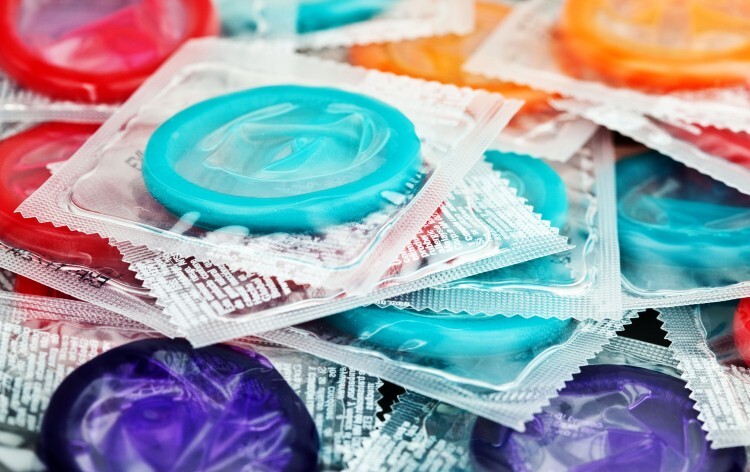
Head of sexually transmitted infections at UKHSA, Dr Katy Sinka, said: 'The rise in sexually transmitted Shigella cases is concerning, but the risk can be reduced through good hygiene during and after sex, and by using condoms — helping to protect both yourself and your partners.
'Those diagnosed with Shigella may also have been exposed to other sexually transmitted infections, including HIV, so a sexual health screen – at a clinic or by ordering tests online – is recommended.'
Meanwhile, the UKHSA's latest provisional quarterly STI surveillance data for England (July to September 2025) showed a reduction in both gonorrhoea (15,910 diagnoses, down from 16,290 the previous quarter) and infectious syphilis (1,860 diagnoses, down from 2,090).
Related Article: Guava juice could be key to anaemia reduction in lower-income countries
However, there is a growing concern about antibiotic-resistant gonorrhoea.
The number of ceftriaxone-resistant gonorrhoea cases more than doubled in 2025 at 29 cases, compared with 13 in the previous year.

Keep your clinical knowledge up to date with The Pharmacist
Extend your learning and record your learning outcomes

Have your say
Please add your comment in the box below. You can include links, but HTML is not permitted. Please note that comments are not moderated before publication and the views expressed are those of the user and do not reflect the views of The Pharmacist. Remember that submission of comments is governed by our Terms and Conditions. You can also read our full guidelines on article comments here – but please be aware that you are legally liable for any libellous or offensive comments that you make. If you have a complaint about a comment or are concerned that a comment breaches our terms and conditions, please use the ‘Report this comment’ function to alert our web team.