Reduce missed diagnoses to tackle rising rates of syphilis, says health protection watchdog
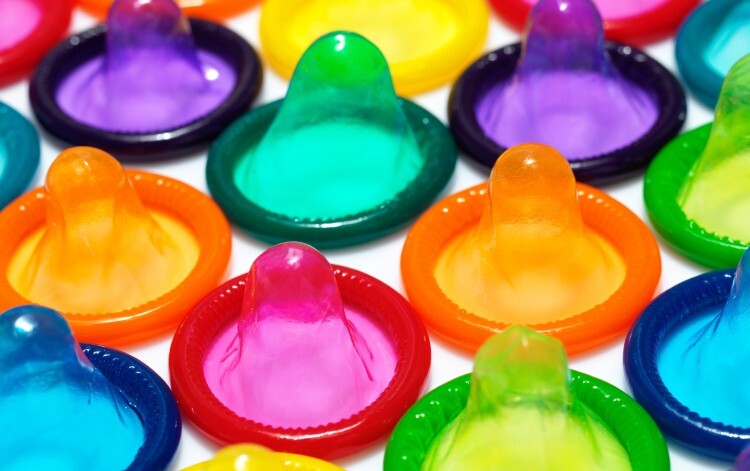
Providing more testing and reducing missed diagnosis opportunities are key areas for focus in a new three-year plan to tackle rising rates of syphilis in England.
The plan from the UK Health Security Agency (UKHSA) also sets out a target to eliminate congenital syphilis which, while rare, has also shown an increasing trend over the past decade.
England has seen a sustained rise in syphilis cases with more than 13,000 cases reported in 2024, a 5% increase on the previous year, and the highest number since the 1940s.
Rates continue to be disproportionately high among gay, bisexual and other men who have sex with men, UKHSA said, but increases are also being seen among heterosexual men and women.
Related Article: New data reveals 'relentless' 27% hike in costs of prescription drugs
And while syphilis diagnoses are concentrated in urban areas, with the highest rate in London, cases have been increasing across all regions, notably within the North East, North West and West Midlands, UKHSA added.
Under the three-year plan which aims to reduce inequalities associated with the infection, UKHSA wants to see more early detection as well as better understanding of who is at risk and barriers to diagnosis.
‘UKHSA will support partners to develop culturally competent, evidence-based communication strategies to improve awareness of syphilis in general and within target populations,’ the strategy said.
There are also plans to monitor the delivery and impact of doxycycline post-exposure prophylaxis (doxyPEP) on syphilis incidence and testing behaviours.
Guidelines last year recommended offering it as a preventive treatment to those with elevated risk including gay, bisexual and other men who have sex with men and transgender women with a recent bacterial STI diagnosis or a recent history of multiple new sexual partners.
Ongoing evaluation will look at the impact on rates of syphilis, including any unintended or adverse consequences such as reductions or changes in routine testing.
Evidence should be reviewed regularly to establish any additional groups who may benefit from doxyPEP, the plan said.
Related Article: STI figures fall as syphilis hits decade low for gay and bisexual men
There are several other promising interventions are on the horizon, including phase 3 trials of novel treatments and new point-of-care diagnostics, the plan noted.
It builds on the initial Syphilis Action Plan published by Public Health England in 2019. Progress since then includes a substantial increase in testing, the introduction of national congenital syphilis surveillance by NHS England in 2020.
Rates of congenital syphilis remain very low but have risen from one in 2015 to 13 cases in 2023, pointing to missed opportunities for detection and treatment during pregnancy, UKHSA said.
Dr Katy Sinka, head of the STI section at UKHSA, said: ’Syphilis cases in England are now at their highest level in decades, and the harm caused by late or missed diagnosis is entirely preventable.
‘This response plan sets out how UKHSA will work to reverse that trend by providing the data, evidence and health protection expertise needed to reduce transmission, prevent complications and move towards eliminating congenital syphilis.
Related Article: Guava juice could be key to anaemia reduction in lower-income countries
‘By working collaboratively across national, regional and local health organisations, we can make a real difference for the communities most affected.’
The article was originally published in The Pharmacist's sister publication Pulse.

Keep your clinical knowledge up to date with The Pharmacist
Extend your learning and record your learning outcomes
Have your say
Please add your comment in the box below. You can include links, but HTML is not permitted. Please note that comments are not moderated before publication and the views expressed are those of the user and do not reflect the views of The Pharmacist. Remember that submission of comments is governed by our Terms and Conditions. You can also read our full guidelines on article comments here – but please be aware that you are legally liable for any libellous or offensive comments that you make. If you have a complaint about a comment or are concerned that a comment breaches our terms and conditions, please use the ‘Report this comment’ function to alert our web team.