STI figures fall as syphilis hits decade low for gay and bisexual men
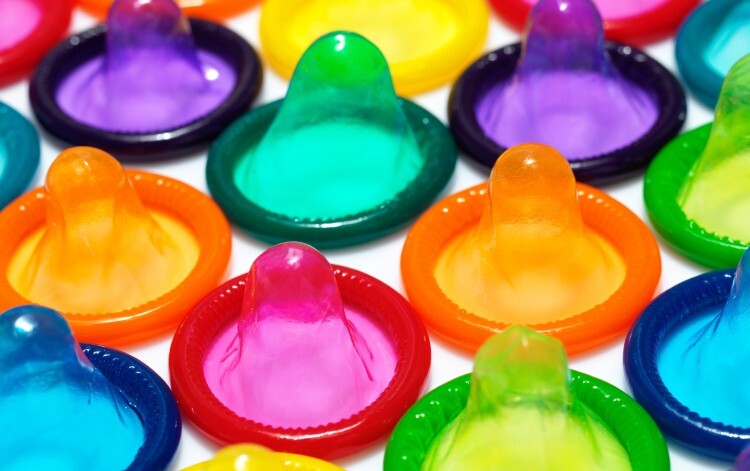
Diagnoses of sexually transmitted infections (STIs) in England fell by 8.3% in 2025, with declines in syphilis, gonorrhoea, genital warts and chlamydia, according to the latest figures from the UK Health Security Agency (UKHSA).
Infectious syphilis diagnoses fell 13.5%, down from 9,553 cases in 2024 to 8,262 in 2025. Gonorrhoea cases dropped 10.9%, from 71,766 to 63,943, while first episode genital warts fell 7.3%, from 25,106 to 23,282.
The figures also show syphilis diagnoses among gay and bisexual men dropped to their lowest level since 2016, falling from 6,349 cases in 2024 to 5,164 in 2025 – a decline of 18.7%.
Related Article: Guava juice could be key to anaemia reduction in lower-income countries
However, syphilis diagnoses among heterosexual women increased by 4.8%, rising from 838 cases in 2024 to 878 in 2025.
Dr Hamish Mohammed, consultant epidemiologist at UKHSA, said: 'It is really encouraging to see STI diagnoses falling, and the drop in syphilis among gay and bisexual men to the lowest level since 2016 is a positive development that reflects the hard work of sexual health services and community-based organisations.
'But cases of STIs remain high, especially in young people and gay and bisexual men. We all need to work together to further reduce these infections because they can cause serious harm.'
The agency also highlighted a decline in chlamydia screening among women aged 15 to 24. The number of tests carried out fell 9.4%, from 604,143 in 2024 to 547,308 in 2025, while diagnoses fell 13.6%, from 53,408 to 46,122.
Related Article: Study links opioid addiction to higher risk of dementia
Dr Mohammed described the drop in chlamydia screening as 'a concern'.
He added: 'Chlamydia can cause pelvic inflammatory disease and infertility if left untreated, so sexually active young women are encouraged to test for chlamydia after sex with a new partner or annually.'
Sexual health services have also been offering doxyPEP (doxycycline post exposure prophylaxis) since summer 2025, a course of doxycycline taken after sex that can significantly reduce the risk of bacterial STIs including syphilis, targeted at those with increased risk, including some gay and bisexual men.
Related Article: Hay fever 101: what pharmacist need to know about pollen
In addition, the NHS has introduced a national vaccination programme against gonorrhoea using the 4CMenB vaccine, with evidence suggesting it could offer 30% to 40% protection against the infection.
The UKHSA said it was still too early to assess the full impact of either initiative, although some of the decline in STI diagnoses among gay and bisexual men may already reflect their introduction.

Keep your clinical knowledge up to date with The Pharmacist
Extend your learning and record your learning outcomes

Have your say
Please add your comment in the box below. You can include links, but HTML is not permitted. Please note that comments are not moderated before publication and the views expressed are those of the user and do not reflect the views of The Pharmacist. Remember that submission of comments is governed by our Terms and Conditions. You can also read our full guidelines on article comments here – but please be aware that you are legally liable for any libellous or offensive comments that you make. If you have a complaint about a comment or are concerned that a comment breaches our terms and conditions, please use the ‘Report this comment’ function to alert our web team.