Chikungunya cases hit 10-year high in England
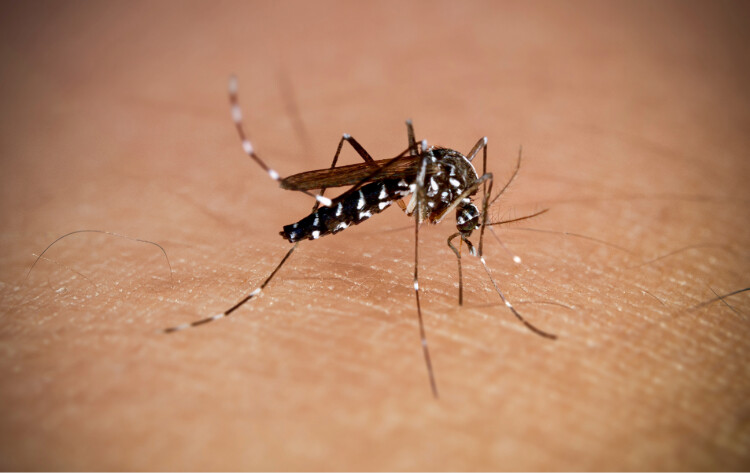
Travellers are being urged to protect themselves from mosquito bites as chikungunya cases in England reach their highest annual total since 2014, the UK Health Security Agency (UKHSA) has warned.
The latest UKHSA Travel-associated Infections Report published on 26 March, shows that a total of 160 chikungunya cases were reported in 2025 in England, Wales and Northern Ireland – marking a 43% increase compared to 2024 when 112 cases were reported.
With most infections in 2025 reported between April and September, the UKHSA assert that these data highlight the importance of protecting yourself against biting insects during Easter and spring travel breaks abroad.
Dr Dipti Patel, director of the National Travel Health Network and Centre, said: ‘If you’re travelling over Easter or spring, it’s important that you prepare before you travel, and take precautions against mosquito bites.’
‘Simple steps such as using a DEET based insect repellent, covering-up your skin and sleeping under insecticide-treated bed nets, can greatly reduce the risk.’
Meanwhile, Dr Philip Veal, consultant in public health at UKHSA, said: ‘For some people chikungunya can be a prolonged and nasty disease and we continue to see cases in travellers returning to the UK, particularly from parts of Asia and the Indian Ocean region.’
Of the 160 chikungunya cases, 159 were reported in England and one was reported in Wales. The largest proportion of cases occurred in London (56%), which was consistent with previous years.
All infections were travel-associated, with the majority linked to Sri Lanka, India and Bangladesh. This finding is consistent with the global picture, with the World Health Organization (WHO) reporting several significant chikungunya outbreaks globally in 2025, including large outbreaks in countries across the Indian Ocean region.
Chikungunya is a mosquito-borne infection spread mainly by Aedes aegypti and Aedes albopictus mosquitoes. These mosquitoes are not currently established in the UK, as the climate is generally unsuitable for their survival and breeding. The UKHSA, therefore, states there is currently no risk of onward transmission of chikungunya in the UK.
Nevertheless, chikungunya is a virus of increasing global concern. WHO warns that local transmission can become established where Aedes mosquitoes are present alongside a susceptible population, and as of 2025, locally acquired transmission has been reported in 119 countries. Climate change is a significant factor, as rising temperatures are expanding the range and habitat of Aedes mosquitoes – gradually widening the regions at risk.
Invasive Aedes mosquitoes have been detected in the UK on multiple occasions since 2016, with the most recent detections in 2024 and 2025. While populations have not yet become established, several studies suggest they likely will in the future – particularly in parts of southern England.
For the moment, however, UK cases of chikungunya disease are only associated with overseas travel, and key symptoms including a sudden onset of fever usually accompanied by joint pain.
Dr Veal said: ‘While this mosquito-borne infection is rarely fatal, it can cause severe joint and muscle pain, headaches, sensitivity to light and skin rashes. Thankfully, symptoms usually improve within a few weeks, but joint pain may last for months or longer. So, it is essential to take precautions against mosquito bites when travelling.’
Beyond insect repellent, covering-up skin and sleeping under insecticide-treated bed nets, there are two chikungunya vaccines approved for use in the UK – they are available privately from travel clinics, following an assessment by a healthcare professional.
Dr Patel added: ‘Before you travel, check the Travel Health Pro website for the latest advice on your destination. If chikungunya is a risk at your destination, you may wish to discuss the suitability of chikungunya vaccination with a travel health clinic.’

Keep your clinical knowledge up to date with The Pharmacist
Extend your learning and record your learning outcomes

Have your say
Please add your comment in the box below. You can include links, but HTML is not permitted. Please note that comments are not moderated before publication and the views expressed are those of the user and do not reflect the views of The Pharmacist. Remember that submission of comments is governed by our Terms and Conditions. You can also read our full guidelines on article comments here – but please be aware that you are legally liable for any libellous or offensive comments that you make. If you have a complaint about a comment or are concerned that a comment breaches our terms and conditions, please use the ‘Report this comment’ function to alert our web team.