Bathing frequency makes 'no difference' to eczema symptoms, suggests study
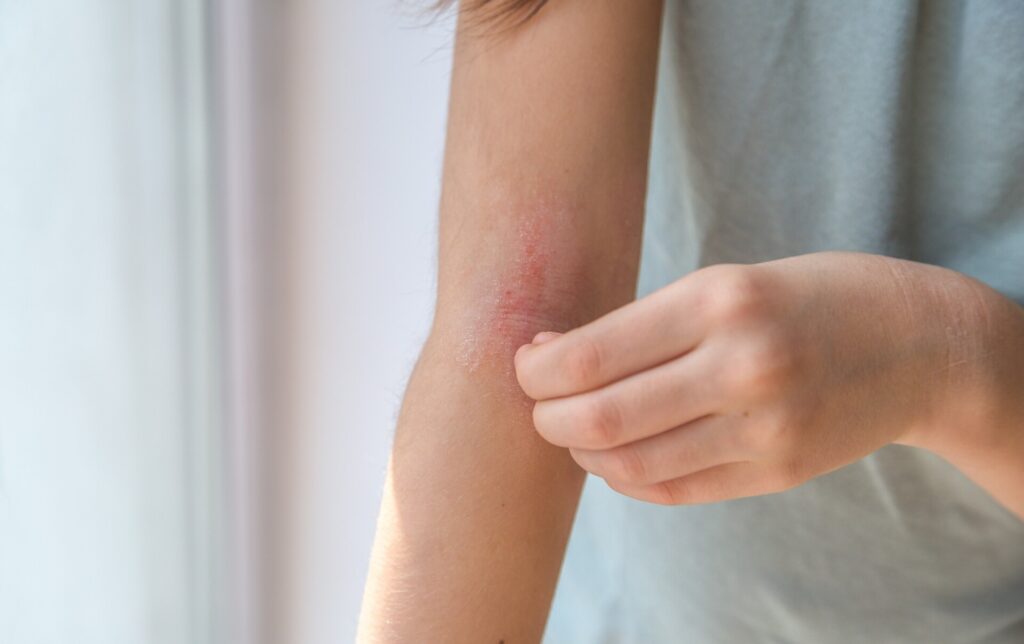
People with eczema can bathe daily or weekly without worsening their symptoms, a new study has suggested.
The findings, published in the British Journal of Dermatology, show no difference in symptoms between people who bathed six or more times per week and those who bathed just once or twice.
Related Article: Beyond the scales: reframing eating disorder recognition in primary care
Researchers from the University of Nottingham and Nottingham University Hospitals NHS Trust worked closely with people living with eczema to design the trial, which was funded by the National Institute for Health and Care Research (NIHR).
A total of 438 adults and children with eczema across the UK took part in the trial, which ran over four weeks and allowed participants to continue using their normal treatments.
Lucy Bradshaw, lead author and senior medical statistician at the Nottingham Clinical Trials Unit, said: ‘The findings of our study are great news for people living with eczema – it means they can choose a frequency of bathing that suits them.
Related Article: Sharp rise in diabetes cases prompts call for better postnatal support
‘Together, we're starting to answer questions about living with eczema that haven’t had enough attention in research until now.’
The Eczema Bathing Study represents the first completed trial in the five-year Rapid Eczema Trials programme.
Related Article: Novo Nordisk launch new 7.2mg single-dose Wegovy pen
The next study will explore how long steroid creams should be used to manage flare-ups. The project is being delivered in collaboration with the universities of Southampton, Bristol, Birmingham City and Imperial, and aims to answer practical questions that matter most to people living with eczema.
Professor Marian Knight, scientific director for NIHR infrastructure, said: ‘This research shows that how often you bathe does not make a difference to symptoms – giving people the freedom to make the choice that is best for them.’

Keep your clinical knowledge up to date with The Pharmacist
Extend your learning and record your learning outcomes

Have your say
Please add your comment in the box below. You can include links, but HTML is not permitted. Please note that comments are not moderated before publication and the views expressed are those of the user and do not reflect the views of The Pharmacist. Remember that submission of comments is governed by our Terms and Conditions. You can also read our full guidelines on article comments here – but please be aware that you are legally liable for any libellous or offensive comments that you make. If you have a complaint about a comment or are concerned that a comment breaches our terms and conditions, please use the ‘Report this comment’ function to alert our web team.