Pharmacists support call for stronger regulation of sunbeds
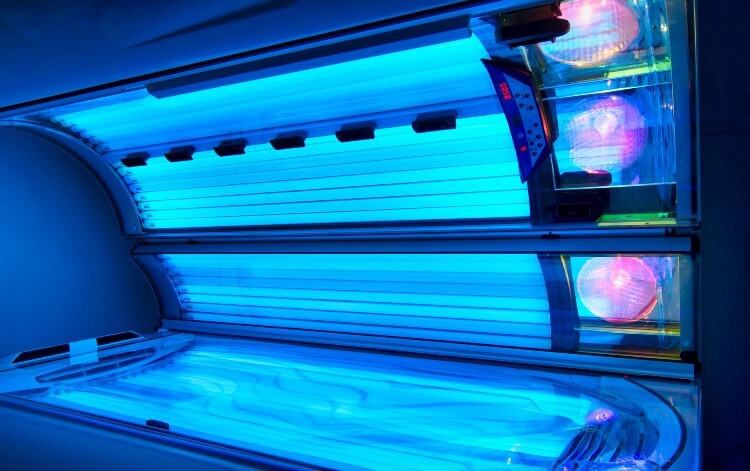
Pharmacists have expressed support for stronger regulation around sunbeds on the back of a new report from a cross-party group of MPs.
The report from the All-Party Parliamentary Group (APPG) on Beauty, Hair and Wellbeing called for a ban on advertising sunbeds and recommended that tanning salons issue warnings about the dangers of skin cancer.
It also proposed displaying cigarette-style images at sunbed shops and tanning salons to dissuade people from using them.
Pharmacist and healthcare lawyer Thorrun Govind said she supported stronger regulation around sunbed advertising and clearer health warnings – especially when advertising may downplay the risks associated with UV exposure.
She added: ‘I think the APPG’s recommendations reflect growing concern around the well-established link between sunbed use and skin cancer risk, particularly among younger people.
Related Article: Beyond the scales: reframing eating disorder recognition in primary care
‘From a pharmacy perspective, this could increase conversations around sun safety, sunscreen use, and recognising potential signs of skin cancer.
‘Community pharmacies are often the most accessible healthcare setting for preventative health advice, so they are well placed to support public awareness and early intervention around skin health.’
Overall, the APPG’s recommendations align with the wider ambition to shift towards prevention, with pharmacies likely to play an increasingly important public health role, she added.
The APPG's report also found that the majority of cases of skin cancer are preventable and that using a sunbed before the age of 35 increases the risk of the most dangerous form of skin cancer by 60%.
Consultant pharmacist Sunil Kochhar said that sunbeds are often perceived by consumers as a safer way to tan, despite the evidence demonstrating that artificial UV exposure carries significant risk.
He said: ‘I therefore support clearer warnings and tighter regulation around advertising, particularly where messaging could appeal to younger demographics or minimise the associated risks.
‘We are seeing more individuals presenting with UV-related skin damage at younger ages, and prevention remains far more effective than treatment.’
Mr Kochhar felt these changes would be positive for community pharmacies because it may further position them as accessible sources of preventative health advice, skin cancer awareness and skin health education.
‘There is an opportunity for pharmacists to play a greater educational role in early skin monitoring and sun-protection guidance,’ he said.
Related Article: Sharp rise in diabetes cases prompts call for better postnatal support
Sarina Mughal, a prescribing pharmacist specialising in aesthetics and dermatology, felt it was her duty as a healthcare professional to improve public education around sunbeds.
She said: ‘I think we need to highlight that UV safety should be considered an all-year-round health issue rather than purely a cosmetic or seasonal conversation.
‘With easy access to social media there is still a significant amount of misinformation around tanning and SPF [Sun Protection Factor] usage circulating online, so we really need to convey the message of UV safety regularly.
‘Community pharmacies are highly accessible healthcare settings, and pharmacy teams are often the first point of contact for patients seeking advice on sun protection, sensitive skin, mole concerns, or skin changes. Some community pharmacies even offer private services such as mole screening services which allow patients to be referred quickly.’
Ms Mughal warned that as skin cancer rates rise pharmacists may see an increased demand for SPF recommendations, skin health consultations, advice on identifying suspicious lesions or changes in moles, or support for patients with sun damage or skin sensitivity.
The APPG’s report, based on a year-long investigation, also cited Cancer Research UK’s Sun and Sunbeds Survey 2025 which found that almost three-quarters (73%) of respondents said they ‘don’t know’ at which UV index they should protect themselves.
Related Article: Novo Nordisk launch new 7.2mg single-dose Wegovy pen
It also stressed the importance of integrating UV safety into the primary and secondary school curriculum, as well as all training courses in hairdressing, barbering and beauty therapy, including modules on how to spot potentially cancerous moles on clients and encourage them to seek medical advice.
The report also recommended launching long-term public health campaigns to spread awareness of UV risks among the adult population and integrating information in everyday settings such as apps, public transport, digital billboards and at GP check-ups.

Keep your clinical knowledge up to date with The Pharmacist
Extend your learning and record your learning outcomes

Have your say
Please add your comment in the box below. You can include links, but HTML is not permitted. Please note that comments are not moderated before publication and the views expressed are those of the user and do not reflect the views of The Pharmacist. Remember that submission of comments is governed by our Terms and Conditions. You can also read our full guidelines on article comments here – but please be aware that you are legally liable for any libellous or offensive comments that you make. If you have a complaint about a comment or are concerned that a comment breaches our terms and conditions, please use the ‘Report this comment’ function to alert our web team.