Prescribing requirements for severe acne medication to be updated
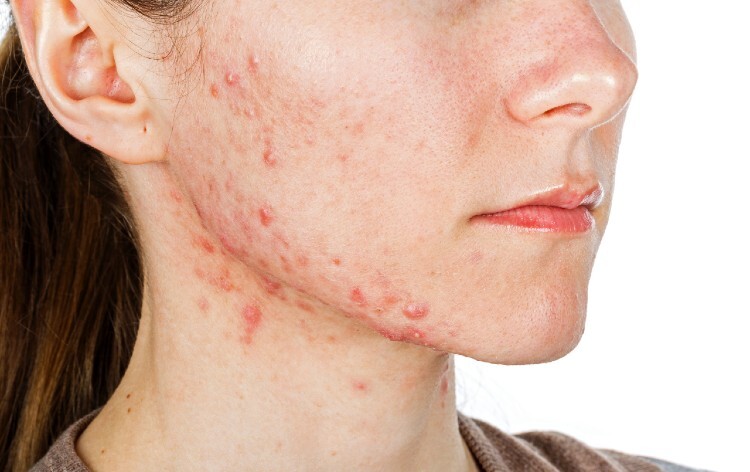
The prescribing requirements for isotretinoin, a treatment for severe acne, are being updated by the Medicines and Healthcare products Regulatory Agency (MHRA) to strengthen its ability to monitor safe prescribing.
Alternative risk minimisation measures have been introduced to ensure isotretinoin continues to be prescribed and dispensed safely, including:
Related Article: Research review: a look at the latest clinical papers
- updates to the Acknowledgement of Risk Form for patients;
- a clinical audit of risk minimisation measures is to be developed and implemented by the British Association of Dermatology (BAD);
- a patient information video is now available and must be viewed by patients before they begin treatment.
Isotretinoin is used primarily where there is a risk of permanent scarring and other treatments have not worked.
This follows independent advice from the Commission of Human Medicines (CHM) which carried out a review of the impact of the existing safety measures for the prescribing of isotretinoin.
The review found that the requirement for treatment of young people under 18 to be agreed by two-prescribers was found to be causing potential delays in access to treatment for some under-18s, with minimal evidence of disagreement between prescribers about treatment decisions.
Patients can still request a second opinion from another prescriber if they want to be reassured that isotretinoin is the best treatment for them.
The MHRA first introduced enhanced safety measures in April 2023, following advice from the CHM’s Isotretinoin Expert Working Group and the Isotretinoin Implementation Advisory Expert Working Group, and it committed to reviewing their impact.
Related Article: Seven illnesses meningitis is often mistaken for
All other existing safety measures put in place in 2023 will remain in effect, including the need for patients and their healthcare professional to sign an Acknowledgement of Risk Form before starting treatment and the requirement for healthcare professionals to advise patients on the risks of side effects.
Chief safety officer, Dr Alison Cave, said: ‘The updated safety measures will ensure patients who need isotretinoin for the treatment of severe acne are able to access it when it is needed, while ensuring that robust oversight of patient safety remains in place throughout treatment and that patients are well informed of the risks before starting treatment.
‘Severe acne can have a significant impact on a patient’s mental wellbeing and can lead to permanent scarring. For these individuals, isotretinoin may be the only effective treatment option. That’s why it’s important patients can access this treatment both safely, and in a timely manner.’
Related Article: MenB vaccination programme to be rolled out in pharmacies
The changes take effect immediately. Healthcare professionals and patients can find more information in the Drug Safety Update.
Dermatology services will also take part in future clinical audits run by the British Association of Dermatologists (BAD), and audit data will be regularly submitted to the MHRA, strengthening its ability to monitor the safety of isotretinoin prescribing.

Keep your clinical knowledge up to date with The Pharmacist
Extend your learning and record your learning outcomes
Have your say
Please add your comment in the box below. You can include links, but HTML is not permitted. Please note that comments are not moderated before publication and the views expressed are those of the user and do not reflect the views of The Pharmacist. Remember that submission of comments is governed by our Terms and Conditions. You can also read our full guidelines on article comments here – but please be aware that you are legally liable for any libellous or offensive comments that you make. If you have a complaint about a comment or are concerned that a comment breaches our terms and conditions, please use the ‘Report this comment’ function to alert our web team.