What does the 2026/27 contract mean for pharmacies?

After months of behind-the-scenes negotiations and public speculation the delayed Community Pharmacy Contractual Framework (CPCF) for 2026/27 has finally been announced.
It is a relief for contractors who have been struggling to manage increased costs without knowing how much money is available to them, but sector leaders have warned that the funding is not enough to put the sector on a sustainable long-term footing.
Here is everything pharmacists need to know about the new contract.
A £340 million funding uplift
The headline funding announcement is that community pharmacy funding will rise by £340 million funding in 2026/27 after Community Pharmacy England (CPE) accepted the government’s offer.
This will see the sector’s budget increase by 10.3% to £3.636 billion – higher than the NHS overall increase of 2.7%, but significantly lower than last year’s 19.7% funding boost.
The Pharmacist understands that this is not new money but will come from the total NHS funding (£225bn) announced at the 2026/27 Spending Review.
CPE has warned that the new funding will cover growth in activity and inflation in the coming year but will not make further progress towards delivering sustainability to the sector.
National Pharmacy Association (NPA) chair Olivier Picard has said that anything less than an 8.9% uplift would be a pay cut due to the additional costs pharmacies face from inflation, business rate rises, increased wages and ongoing growth in prescription volume.
When taking this into account, Mr Picard said the 10.3% rise for 2026/27 is ‘tinkering around the edges’ rather than delivering fundamental reform.
However, CPE recognised that ministers have treated pharmacy preferentially for the second year running and given the sector the highest uplift across primary care – for comparison, the GP contract only promised a 3.6% increase.
The general feeling among sector leaders is that while the funding uplift is not enough it could have been a lot worse.
An extra £200 million of margin and up to £239 million of over-delivery written off
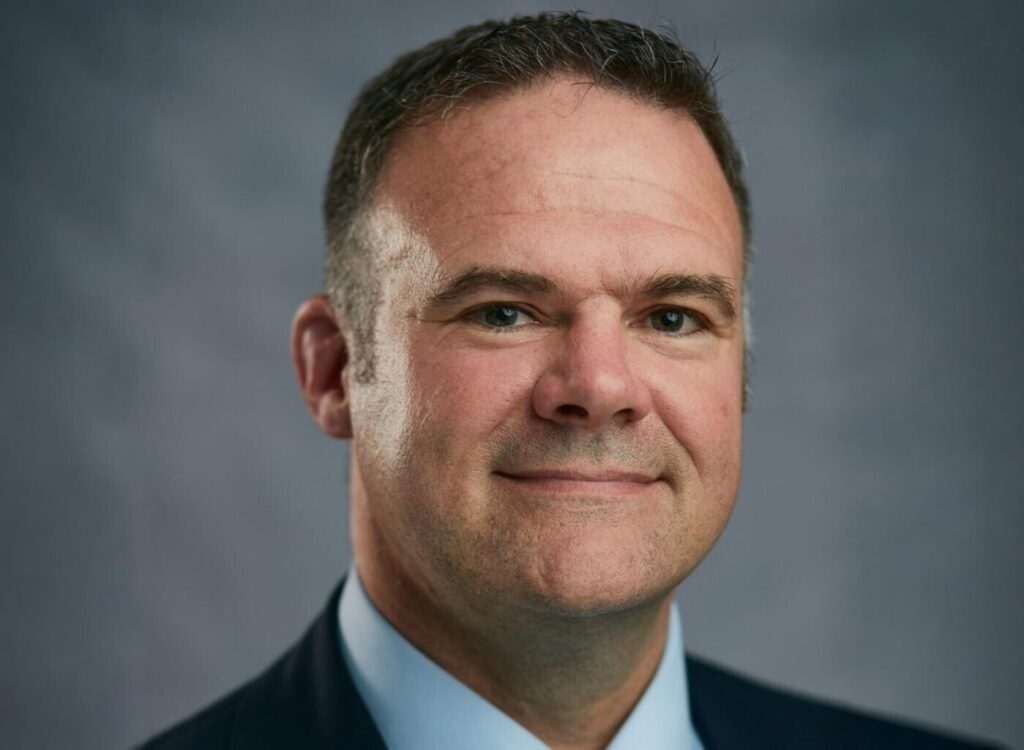
Malcom Harrison, chief executive of the CCA
The settlement also includes increasing the retained medicine margin by £200 million to £1.1 billion.
And the government has agreed to write off up to £239 million of historic over-delivery.
Pharmacies earned around £219 million more profit than expected from dispensing medicines up to September 2025, and the NHS has agreed to write this off.
A further amount – up to £73 million from the second half of 2025/26 – may also be written off depending on the results of the ongoing margin survey – which is analysed and published quarterly – and the government said it will not claw back any remaining excess through future reimbursement price cuts in 2026/27.
These measures aim to ‘improve stability and predictability in the medicine margin system’ and support the supply of medicines to patients, the DHSC said.
The Company Chemists’ Association (CCA) has previously been a strong advocate for this move and has estimated that the margin would need to rise to £1.28 billion to keep pace with inflation and the increasing volume of dispensing.
After government figures published in March revealed that the retained margin was worth £120 million less in real terms than it was a decade ago, CCA chief executive Malcom Harrison called for ‘investment in both tariff pricing and margin’.
However, NPA chair Mr Picard recently told The Pharmacist he was not sure that more margin will mean more money for pharmacies because if manufacturers and wholesalers put their prices up the increase would not be felt at a community level.
He said he’d prefer to be paid more for delivering a service such as Pharmacy First.
Pharmacy First expanded to include independent prescribing
The government’s headline announcement around the new contract is that from this autumn a national NHS-funded independent prescribing (IP) offer will be introduced as an extension of Pharmacy First and the pharmacy contraception service.
This will include:
- Prescribing within existing Pharmacy First clinical pathways and the contraception service;
- Up to five new prescribing-only pathways, to be announced in autumn; and
- Pharmacists being able to prescribe alternative medication where necessary – for example, where the original prescription drug is out of stock.
The DHSC said the initial introduction of independent prescribing during 2026/27 will be funded through a one-off £500 set-up fee, payable once a contractor has signed up to deliver the relevant service, and a £525 monthly infrastructure fee.
CPE said that bacterial conjunctivitis, allergic conjunctivitis, oral thrush, skin infections and respiratory tract infections are services that would be considered for the expanded Pharmacy First service.
During the summer, NHS England will create a clinical reference group of experts across primary care who will consider the new pathways for IPs under Pharmacy First, The Pharmacist understands.
This group will mainly be comprised of pharmacists and GPs, with input from other bodies such as the National Institute for Health and Care Excellence (NICE).
Consultations delivered under the new pathways will be paid the same item of service fee as other Pharmacy First pathways, which will remain at £17 under the 2026/27 contract.
Pharmacies will receive £25 for an initiation or ongoing contraception consultation and £20 for an emergency hormonal contraception consultation – in line with the fees for a patient group direction (PGD) consultation.
The DHSC said this was to ‘prioritise’ the core funding uplift and improve income stability.
The current capping mechanism for Pharmacy First consultations will be retained, and a similar approach will be used for IP consultations. This means there will be two caps within each band: one applicable to pharmacies signed up to provide prescribing services, and one for those who are not offering the new prescribing services.
Fixed payments will remain at £500 for contractors delivering 20 to 29 consultations in a month and £1,000 for those delivering 30 consultations or more, regardless of whether they are prescribing consultations or not.
CPE also agreed a two-month late claim window for Pharmacy First and the New Medicine Service (NMS) – the two advanced services that still have a one-month claim window – giving contractors a total of three months to make a claim.
The DHSC also said that the Pharmacy First budget will be fully merged into the CPCF budget, guaranteeing the funding envelope to the sector and removing the previous risk of underspending.
Concerns over ‘insufficient’ funding for independent prescribing

Olivier Picard, Chair of the NPA / Provided by the NPA
There is a lot of uncertainty within the sector about how this expansion will be implemented.
The Pharmacist heard from one leader that the available funding for IP expansion is what they would expect from a pilot scheme rather than a large-scale national service.
A full rollout could cost as much as £10.5 million based on the £500 set-up fee and £525 monthly fee across 10,500 pharmacies in England.
The Pharmacist understands that NHS investment in IP infrastructure is hoped to encourage more integrated care boards (ICB) to commission IP services locally – and indeed, some already have.
In April, The Pharmacist reported that a number of ICBs were extending their support for the independent prescribing pathfinder programme – a pilot that authorised IP pharmacists at several ‘pathfinder sites’ to prescribe medicines directly to patients.
Yet CPE has said: ‘We are not persuaded that sufficient investment is being made to enable the full and effective introduction of IP, given the workload, enhanced clinical responsibility, clinical governance and infrastructure requirements that it will entail.
‘It will be down to pharmacy owners to decide on an individual basis whether they want to provide the service or prioritise the use of IP skills elsewhere in their business.’
Funding is not the only barrier to expanding independent prescribing, according to the Pharmacists’ Defence Association (PDA), which said that workforce capacity, the suitability of pharmacy premises and safe staffing models must be addressed to ensure successful delivery.
A revised Pharmacy Quality Scheme
A revised Pharmacy Quality Scheme (PQS) will be introduced in June for 2026/27 with a value of £20 million.
The aspiration payment for the scheme will increase from 75% to 80% and be made on 1 September. This is an optional, advance payment made to community pharmacies, calculated based on the quality domains and points a pharmacy intends to achieve during the scheme.
It will include the following elements:
- Renewal of the palliative and end of life care action plan, moving it to a gateway requirement and introducing a short survey for pharmacies;
- A clinical audit and peer discussion to be agreed with CPE that will support the rollout of IP;
- A requirement pharmacists complete unit four of the Centre for Pharmacy Postgraduate Education (CPPE) e-learning course on fundamentals of respiratory therapeutics and pass the asthma (2026) e-assessment; and
- A requirement for pharmacy contractors to update standard operating procedures to provide guidance on the safe management of urgent repeat medicines.
The DHSC also said the Pharmacy Access Scheme (PhAS) will be retained with funding capped at £20 million for 2026/27.
The progression of several regulatory changes
During negotiations, CPE sought a number of regulatory changes and adjustments will be made to:
- Allow pharmacies to close during core or supplementary hours for staff training and development;
- Confirm that pharmacy owner cooperation is required for ICBs to undertake or continue dispute resolution, which usually occurs before ICBs consider whether to issue a breach or remedial notice;
- Move the requirement for all pharmacists and pharmacy technicians to have an enhanced Disclosure and Barring Service (DBS) check from the 2025/26 PQS to the terms of service; and
- Ensure that an ICB writes to all parties to explain any delays to a market entry application.
CPE also said the Department of Health and Social Care (DHSC) will consider strengthening the terms of service to help address inappropriate management of Electronic Prescription Service (EPS) nominations.
Health campaigns
A maximum of two national health campaigns and two local campaigns led by ICBs will be required in 2026 to 2027. There will be no national clinical audit requirement in 2026 to 2027, other than the one included in the PQS.
Contractors have previously been able to meet the requirement through a range of activities including displaying posters and leaflets in the pharmacy, sharing information on the pharmacy's website or social media, or including specific messaging in emails or SMS communications to patients.
Future reform
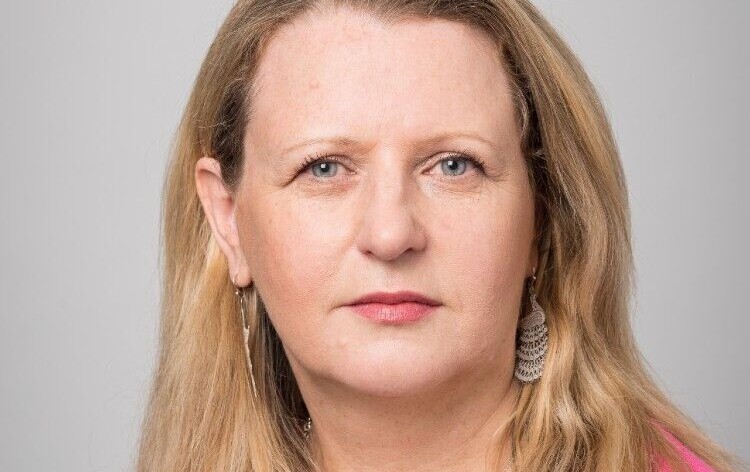
Janet Morrison, CPE Chief executive
CPE stressed that the funding settlement was only accepted on the condition of a shared programme of reform with the government and NHS England.
The negotiator said: ‘We have been clear with government that the sector is in a critical position, and that we now need urgent work on a sustainable long-term solution, including reform of the contract, funding and reimbursement model.’
However, it warned that this work ‘will be difficult and will take time’.
In a letter to contractors, the DHSC said ministers are ‘clear’ in their commitment to continue working with the sector on delivering reform, to:
- Stabilise community pharmacy so patients can reliably access the medicines they need;
- Introduce IP to enable pharmacists to use their clinical skills and provide quicker access to treatment for common conditions; and
- Develop a sustainable long-term model for the sector.
The National Pharmacy Association (NPA) has launched a survey of its members to find out how the settlement will impact their ability to invest in NHS services, and whether it is enough to stabilise their businesses.
The poll will also ask wider questions about reform of the contract, funding and reimbursement model which the government have committed to working on with Community Pharmacy England (CPE).
Learn more about the pharmacy contract at the Community Pharmacy and General Practice Conference, taking place in Birmingham on 21-22 June.

Have your say
Please add your comment in the box below. You can include links, but HTML is not permitted. Please note that comments are not moderated before publication and the views expressed are those of the user and do not reflect the views of The Pharmacist. Remember that submission of comments is governed by our Terms and Conditions. You can also read our full guidelines on article comments here – but please be aware that you are legally liable for any libellous or offensive comments that you make. If you have a complaint about a comment or are concerned that a comment breaches our terms and conditions, please use the ‘Report this comment’ function to alert our web team.