How a pharmacist-led asthma clinic is reducing health inequalities for children
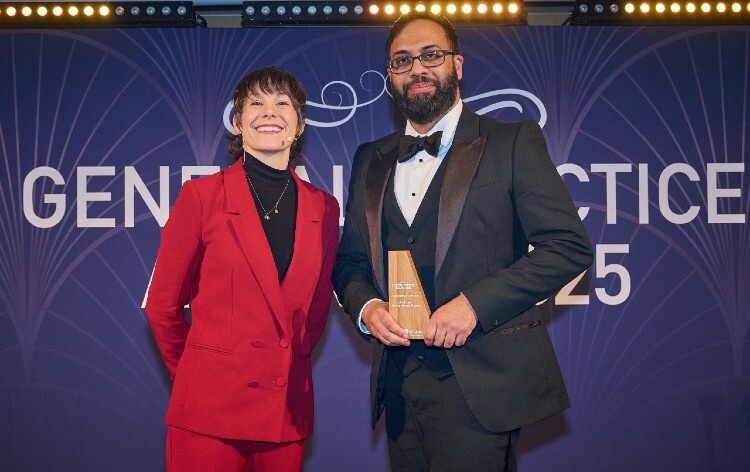
A community-based asthma service in West Birmingham is delivering faster diagnoses, improved outcomes and more equitable care for children.
Little Lungs – Shaping Healthier Futures is a pharmacist-led initiative designed to address longstanding disparities in childhood asthma care.
The initiative was recognised at the General Practice Awards in December as the winner in the Advancing Health Equity category.
Developed in collaboration with Birmingham Children's Hospital, GP practices and local families, the service uses a targeted, one-stop model to identify and support children at highest risk of hospitalisation or poor control.
Related Article: Beyond the scales: reframing eating disorder recognition in primary care
Factors such as language barriers, low health literacy and fragmented care pathways often contribute to delayed diagnosis and poor management for children living in the most deprived areas of West Birmingham.
The Little Lungs service was shaped by feedback from families and local stakeholders, who highlighted the need for longer appointments, culturally appropriate communication and local delivery.
The team uses EMIS data to proactively identify children with poorly controlled symptoms, frequent unscheduled care or suspected undiagnosed asthma.
Those identified are invited to attend a local diagnostic clinic, based in their own GP practice. Each appointment lasts up to 90 minutes and includes lung function testing, FeNO testing, tailored education and a personalised asthma action plan.
The service is delivered by clinical pharmacists and designed to be accessible, with appointment invitations made by phone, in families' preferred language, and slots scheduled to fit around school and home commitments.
The Little Lungs initiative has seen referral-to-treatment times reduce from over 24 weeks to under four. Every child seen through the service has shown improved asthma control, and 99% of families have rated the experience as excellent.
Related Article: Sharp rise in diabetes cases prompts call for better postnatal support
Of those seen, 82% received a confirmed asthma diagnosis, 5% had asthma ruled out, and 13% remain under review.
A parent whose daughter was seen through the service said they had spent years struggling to get a clear diagnosis, but within two hours at the clinic, received an accurate assessment and a new treatment plan that made an immediate difference.
Beyond clinical improvements, the service also addresses wider social determinants of health. The team works closely with neighbourhood teams, social prescribers and local authorities to identify and act on environmental triggers such as damp or poor housing.
The model also mitigates barriers caused by digital exclusion by offering personalised booking and communication methods that don't rely on online access.
Related Article: Novo Nordisk launch new 7.2mg single-dose Wegovy pen
A national implementation toolkit, developed in partnership with Asthma + Lung UK and the Primary Care Respiratory Society, is supporting replication in other areas.
The model has already been shared at the 2025 NHS Confederation Conference as an example of pharmacist-led leadership in tackling health inequalities.

Keep your clinical knowledge up to date with The Pharmacist
Extend your learning and record your learning outcomes
Have your say
Please add your comment in the box below. You can include links, but HTML is not permitted. Please note that comments are not moderated before publication and the views expressed are those of the user and do not reflect the views of The Pharmacist. Remember that submission of comments is governed by our Terms and Conditions. You can also read our full guidelines on article comments here – but please be aware that you are legally liable for any libellous or offensive comments that you make. If you have a complaint about a comment or are concerned that a comment breaches our terms and conditions, please use the ‘Report this comment’ function to alert our web team.