Climate change is affecting mental health, UKHSA warns
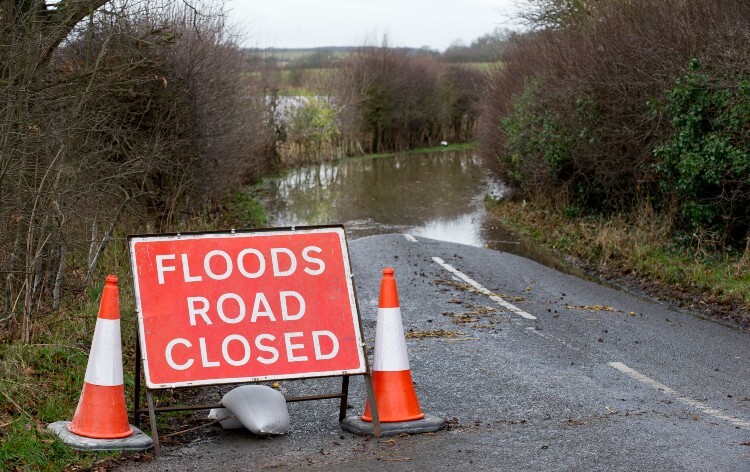
Climate change is having an impact on people's mental health, with extreme weather events and rising anxiety about the future particularly harming vulnerable groups, according to a new report.
The research, from the UK Health Security Agency (UKHSA), highlights the mental health effects of flooding, heat and other extreme weather, which are expected to worsen as the climate warms.
Farming and rural communities, people with pre-existing health conditions and young people are most at risk, according to the UKHSA’s Climate change and mental health report.
The UKHSA said the situation was also particularly impacting vulnerable populations who find it ‘increasingly difficult’ to access transport and healthcare services in extreme conditions.
Related Article: Beyond the scales: reframing eating disorder recognition in primary care
It also suggested that an ‘overarching awareness’ of climate change was negatively impacting people’s mental health and contributing to ‘eco-anxiety’.
‘Awareness that the climate is changing can lead to feelings of sadness, fear, anger, worry, low mood, sleep disorders, panic attacks and helplessness,’ the report said.
‘These can even impact individuals who have not directly experienced a climate-related event themselves, as well as those who have experienced such events.’
The agency has set out evidence that targeted psychological support – including cognitive behavioural therapy and mobile mental health interventions – can help reduce symptoms such as anxiety and post-traumatic stress disorder in relation to climate change.
It calls for more ongoing support after extreme weather events, and greater investment in preventative and resilience-building measures.
Professor Robin May, chief scientific officer at UKHSA, said the report marked an ‘important step forward’ in understanding how climate change is affecting health in the UK and what can be done in response.
Related Article: Sharp rise in diabetes cases prompts call for better postnatal support
Meanwhile, Professor Lea Berrang Ford, head of the UKHSA Centre for Climate and Health Security (CCHS), said: ‘Climate change is already impacting mental health, and these risks will increase as the climate warms and extreme weather events become more frequent and severe.
‘Climate warming will exacerbate mental health inequalities, with impacts greatest on rural and agricultural communities and young people.
‘There are practical and effective steps government and social care organisations can take to ensure adequate protection and support.’
The report draws on UK studies, 130 reviews that included data from OECD countries detailing the pathways in which mental health can impact climate change and UK-based case studies demonstrating interventions for mental health in response to climate change.
Seven overarching themes emerged, according to the report:
Related Article: Novo Nordisk launch new 7.2mg single-dose Wegovy pen
- Climate change is impacting mental health and wellbeing
- Climate change impacts the social and economic determinants of mental health and wellbeing.
- Some occupational populations are at heightened risk from the mental health and wellbeing impacts of climate change.
- Children and young people are at heightened risk from the mental health and wellbeing impacts of climate change.
- Those with pre-existing health difficulties are at heightened risk from the mental health impacts of climate change.
- Impacts on mental health and wellbeing from climate change can be long-lasting.
- Protective pathways can help to minimise or buffer mental health and wellbeing impacts from climate change.
Last week it was revealed that pharmacists can play a key role in the sustainable disposal of weight loss jabs.
A version of this was first published on our sister title Nursing in Practice.

Keep your clinical knowledge up to date with The Pharmacist
Extend your learning and record your learning outcomes
Have your say
Please add your comment in the box below. You can include links, but HTML is not permitted. Please note that comments are not moderated before publication and the views expressed are those of the user and do not reflect the views of The Pharmacist. Remember that submission of comments is governed by our Terms and Conditions. You can also read our full guidelines on article comments here – but please be aware that you are legally liable for any libellous or offensive comments that you make. If you have a complaint about a comment or are concerned that a comment breaches our terms and conditions, please use the ‘Report this comment’ function to alert our web team.