Travellers beware: what pharmacists need to know about global travel
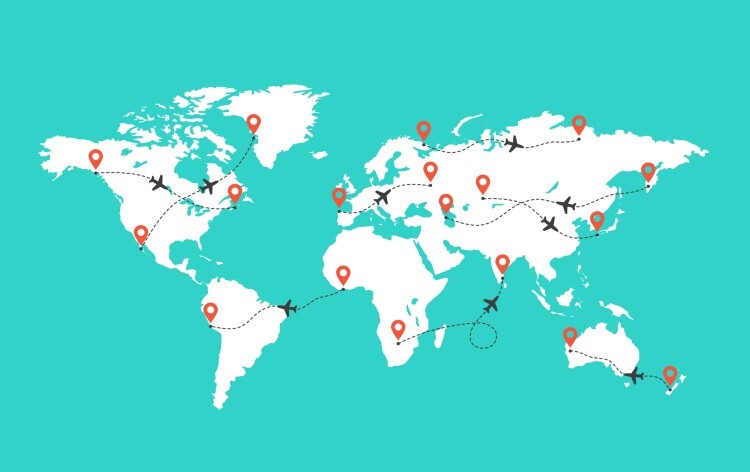
In a world of mass long-haul travel, expedition cruises to polar regions, overland safaris and gap-year volunteering in equatorial Africa, shared environments such as ships, aircraft and hotels compound the risk of disease transmission. Saša Janković reports
Within the space of a fortnight in May 2026, two major viral outbreaks dominated global health headlines.
First came news of a hantavirus cluster aboard the MV Hondius, a Dutch cruise ship travelling from Ushuaia in Argentina. By mid-May, eleven cases had been confirmed, three passengers had died, and the World Health Organization (WHO) had identified the culprit as the Andes virus, the only hantavirus strain known to transmit between humans.
Then, days later, the WHO designated the rapidly escalating Bundibugyo Ebola outbreak in the Democratic Republic of Congo and Uganda a Public Health Emergency of International Concern, with more than 500 suspected cases and 131 deaths recorded.
Back on home turf, community pharmacists are increasingly the first port of call for returning travellers who feel unwell, so recognising the red flags, asking the right questions, and knowing when to refer urgently is essential. Here are some of the common conditions to look out for, as well as some rare illnesses that may be a cause for concern, depending on where your customer has returned from.
Europe and the Mediterranean
Closer to home does not mean lower risk, with significant travel illnesses still affecting parts of Europe.
Lyme Disease (common)
What it is: A bacterial infection caused by Borrelia burgdorferi, transmitted through the bite of infected Ixodes ticks. Common in wooded and rural areas of mainland Europe, Scandinavia and the UK itself.
How serious: If caught early, highly treatable with antibiotics. If missed, late-stage Lyme disease can cause chronic arthritis, neurological symptoms (including facial palsy, meningitis, encephalopathy) and cardiac involvement.
Symptoms: The classic sign is erythema migrans, a slowly expanding bullseye rash at the bite site, present in around 70-80% of cases. Early systemic symptoms: fever, headache, fatigue, muscle and joint pain. Some patients present weeks or months later with neurological or joint symptoms.
Pharmacist advice: The UK Health Security Agency (UKHSA) recently issued warnings regarding Lyme disease after annual data recorded over 1,500 laboratory-confirmed cases in England, and warned that the true number of infections is likely an underestimate. There is no licensed human Lyme vaccine currently available in the UK, so the best defence is tick avoidance: long sleeves and trousers in woodland, DEET-based repellents, and prompt tick removal with a tick removal tool (not petroleum jelly or heat). If a patient presents with erythema migrans or a history of tick bite in an endemic area with systemic symptoms, refer to their GP promptly for antibiotic treatment without waiting for serology.
Central America, South America and the Caribbean
Increasingly popular with UK travellers, this region carries risks from Zika, dengue, chikungunya and, as we have seen recently, hantavirus.
Hantavirus (rare but in the spotlight)
What it is: A family of rodent-borne viruses. Andes virus, the strain behind the May 2026 cruise ship outbreak, originated from wildlife exposure in Patagonia and Antarctica and is the only hantavirus capable of human-to-human transmission, though this typically requires prolonged close contact.
How serious: Hantavirus pulmonary syndrome (HPS) carries a mortality rate of approximately 35%. There is no approved treatment or vaccine.
Symptoms: Early symptoms resemble influenza: fever, fatigue, and muscle aches in the thighs, hips, back or shoulders, often with nausea and headache. Rapid deterioration to pneumonia and acute respiratory distress syndrome can follow within days.
Pharmacist advice: Suspect in any patient returning from South America (particularly Argentina, Chile, Panama) within the past six weeks with unexplained severe respiratory illness. Refer urgently. The incubation period is 4-42 days for Andes virus. The WHO currently assesses global risk as low but remains vigilant.
North Africa and the Middle East
Popular destinations including Egypt, Morocco, Jordan, Israel, and the UAE see hundreds of thousands of UK visitors annually.
MERS-CoV (rare)
What it is: Middle East Respiratory Syndrome Coronavirus, a zoonotic coronavirus linked to dromedary camels. Cases remain rare but sporadic.
Pharmacist advice: Advise travellers to avoid direct contact with camels and raw camel products. Any patient with severe respiratory illness returning from the Arabian Peninsula should be referred with precautionary infection control measures.
East Africa and the Horn of Africa
Common choices for UK travellers to East Africa include Kenya, Tanzania, and Uganda/Rwanda (for mountain gorilla trekking). In the Horn of Africa, Ethiopia is a top cultural draw.
Yellow Fever (endemic but rare)
What it is: A viral haemorrhagic fever transmitted by Aedes mosquitoes, endemic in tropical Africa as well as South America.
How serious: Around 15% of patients enter a toxic phase with jaundice, haemorrhage and multi-organ failure. Case fatality rate in this phase is up to 50%.
Pharmacist advice: Vaccination is required for entry to many countries and is highly effective after a single dose. Refer unvaccinated patients who develop jaundice after return from endemic areas as an emergency.
Sub-Saharan Africa
Sub-Saharan Africa remains the most epidemiologically complex travel region for UK tourists, including those visiting friends and relatives, who face disproportionate risk owing to longer stays, closer community contact and lower vaccine uptake).
Malaria (common)
What it is: A parasitic disease caused by Plasmodium species (predominantly P. falciparum in sub-Saharan Africa, the most dangerous form), transmitted via the bite of infected Anopheles mosquitoes.
How serious: Potentially fatal within 24 hours of symptom onset if untreated. Cerebral malaria can cause seizures, coma, and death.
Symptoms to watch for: Classic presentation is cyclical fever with chills and rigors, headache, myalgia, and fatigue. Any fever within one year of return from a malaria-endemic area must be treated as malaria until proven otherwise. Refer to A&E or urgent care immediately.
Pharmacist advice: Even patients who took antimalarials can contract malaria, though risk is greatly reduced. “Brits are not taking insect bites – especially mosquitoes – abroad seriously enough”, says bite prevention expert and CEO of incognito insect repellent products, Howard Carter. Advise that symptoms can appear weeks to months after return. Do not delay referral.
Ebola (rare but current)
What it is: A severe viral haemorrhagic fever caused by Orthoebolavirus species, spread by direct contact with the blood or body fluids of an infected person. Three different viruses are known to cause large Ebola disease outbreaks: Ebola virus, Sudan virus and Bundibugyo virus. The current outbreak (as of May 2026) is caused by Bundibugyo virus in DRC and Uganda, for which there are no approved vaccines or treatments.
How serious: Bundibugyo virus carries an estimated case fatality rate of 25-50%. Symptoms include sudden fever, severe headache, muscle pain, and sore throat, progressing to vomiting, diarrhoea, rash, and in severe cases internal and external bleeding. WHO advice is that “early intensive supportive care with rehydration and the treatment of symptoms improves survival”, but approved vaccines and treatments are only available for Ebola virus and are under development for the others.
Symptoms to watch for: Any febrile illness in a patient who has returned from DRC, Uganda or bordering regions within the past 21 days should prompt immediate isolation and emergency referral.
Pharmacist advice: Risk to the UK public remains very low, and the current outbreak is centred in remote eastern DRC. However, pharmacists should be aware of the current situation and ask about recent travel history for any febrile patient presenting post-Africa travel.
South and South-East Asia
Travel to India, Thailand, Vietnam, Indonesia, the Maldives, Sri Lanka and Nepal carries a high burden of gastrointestinal, vector-borne and respiratory illness.
Dengue Fever (very common, with number of reported cases of dengue in UK travellers increasing, according to NaTHNac)
What it is: Caused by dengue virus (four serotypes), transmitted by Aedes aegypti and Aedes albopictus mosquitoes, active during the day.
How serious: Dengue haemorrhagic fever and dengue shock syndrome are rare but life-threatening. Most cases are self-limiting but debilitating.
Symptoms: High fever (often abrupt onset), severe headache, retro-orbital pain, joint and muscle pain, and rash. Known as "breakbone fever" because of the intensity of musculoskeletal pain.
Pharmacist advice: The National Travel Health Network and Centre (NaTHNaC) says health professionals should consider the possibility of dengue “in all returned UK travellers with a fever or flu-like illness who have recently visited dengue risk regions”. Pharmacists who suspect a case of dengue in a returned traveller, should discuss this urgently with their local microbiology, virology or infectious diseases consultant, giving a full travel/clinical history.
East and Central Asia
Japan, China, South Korea and Central Asian states are growing in popularity with UK tourists and present their own specific health considerations.
Japanese Encephalitis (rare)
What it is: A viral encephalitis transmitted by Culex mosquitoes in rural Asia, particularly in rice-growing and pig-farming areas.
How serious: Rare in tourists but serious: case fatality rate is 20-30%, and survivors often have lasting neurological impairment.
Pharmacist advice: Vaccination is recommended for travellers spending more than a month in rural parts of Asia, or shorter stays in high-risk areas.
The window of opportunity in travel medicine often falls at the pharmacy counter in the days or weeks after a patient returns home before they have made a GP appointment. The questions community pharmacists ask, and the speed with which they act when answers are concerning, will increasingly define outcomes.
Vaccines and OTC prophylactics for UK travellers
Available through NHS travel clinics, private travel health services, and pharmacies offering travel vaccination services.
Vaccines
Hepatitis A – Recommended for most destinations outside northern Europe, North America and Australasia.
Hepatitis B – Recommended for healthcare workers, long-stay travellers, and those at sexual risk.
Typhoid – Recommended for Indian subcontinent, sub-Saharan Africa, South-East Asia.
Yellow Fever – Mandatory for entry to many countries and for travellers arriving from endemic regions. Single dose gives lifelong protection. Must be administered at a designated yellow fever vaccination centre.
Meningococcal ACWY – Required for Saudi Arabia (Hajj/Umrah). Also recommended for sub-Saharan Africa (meningitis belt) and travellers to regions with outbreaks.
Japanese Encephalitis – For long-stay or rural travellers in South and South-East Asia.
Rabies (pre-exposure) – Three doses over 21 days. Recommended for backpackers, cyclists, cave explorers and long-stay travellers in South and South-East Asia, Africa. Does not replace post-exposure treatment but provides crucial additional time.
Cholera (Dukoral) – Oral vaccine providing protection against cholera and some ETEC (travellers' diarrhoea). Recommended for aid workers, travellers to areas with active cholera outbreaks.
Tick-borne Encephalitis (TBE) – Recommended for walkers, campers, cyclists in forested areas of central and eastern Europe, Scandinavia, Russia.
OTC and pharmacy prophylactics
Antimalarials – Available on prescription and POM-to-P:
DEET-based repellents – 50% DEET formulations offer the best protection against mosquitoes and ticks. Safe in children over 2 months at lower concentrations. Apply after sunscreen.
Oral rehydration salts (ORS) – Essential for travellers' diarrhoea.
Water purification tablets – Chlorine-based or iodine tablets for travellers without reliable access to bottled water.
Sunscreen SPF 50+ – Apply before DEET.
Antihistamines and antidiarrhoeals – Cetirizine or loratadine for allergic reactions; loperamide for uncomplicated diarrhoea (not for use with fever or blood in stool).
Further resources
The National Travel Health Network and Centre (NaTHNaC)
https://nathnac.net/
National guidance on travel health for health professionals advising the public, and advice on specific situations and circumstances that could affect the health of British travellers.
TravelHealthPro
https://travelhealthpro.org.uk/
Travel health advice for destinations worldwide and resources for travellers and health professionals providing travel health services in the UK.
NHS Travel vaccinations
https://www.nhs.uk/vaccinations/travel-vaccinations/
Advice for patients on vaccinations needed for travel, which are available for free on the NHS, and which have to be paid for.

Keep your clinical knowledge up to date with The Pharmacist
Extend your learning and record your learning outcomes

Have your say
Please add your comment in the box below. You can include links, but HTML is not permitted. Please note that comments are not moderated before publication and the views expressed are those of the user and do not reflect the views of The Pharmacist. Remember that submission of comments is governed by our Terms and Conditions. You can also read our full guidelines on article comments here – but please be aware that you are legally liable for any libellous or offensive comments that you make. If you have a complaint about a comment or are concerned that a comment breaches our terms and conditions, please use the ‘Report this comment’ function to alert our web team.