False lashes and iris implant trends: how pharmacists can promote eye health
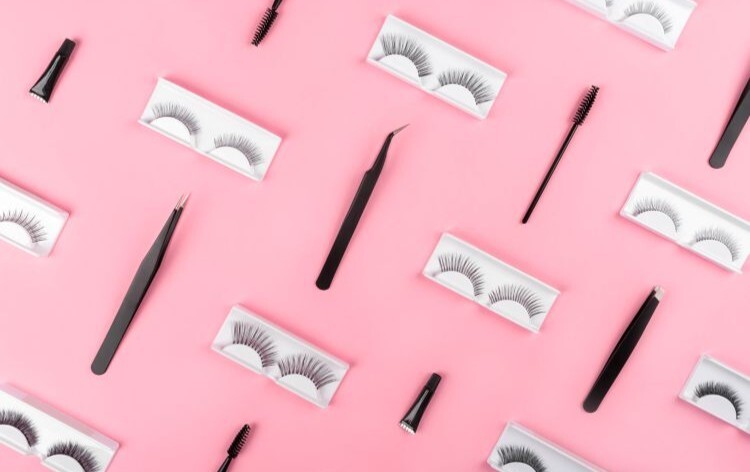
It’s the season for sequins and getting dressed up for festive parties. But some beauty trends can risk patients’ health - particularly eye health. Pharmacist and adviser to GoldenEye, Sultan Dajani, reflects on how pharmacists can advise patients to look after their eyes.
Over the past 20-30 years, the popularity of cosmetic and personal care products has increased hugely. Social media influence and the propagation of unrealistic beauty standards, especially among younger people have contributed to this rise. These products, promising enhanced appearance and self-esteem, have become integral to contemporary society.
However, many of these beauty trends pose significant health risks including infections, scarring, and severe reactions from DIY procedures like at-home mole removal, DIY teeth whitening, which may cause teeth erosion and gum damage or involve using harsh chemicals on the skin. Other risks involve chemical exposure from certain products, leading to potential long-term health issues like endocrine disruption, and premature aging from sun damage.
Social media trends can also pressure individuals, especially young people, into using products not suited for them, causing conditions like contact dermatitis.
Related Article: Deprescribing: The pharmacists' role in stopping inappropriate medications
Tough new measures to crack down on cowboy cosmetic procedures that have left people maimed, injured and in need of urgent NHS care will be introduced by the government. Only specialised healthcare workers that are registered with the Care Quality Commission (CQC) will be able to conduct the highest risk cosmetic procedures.
So, what are the risks of various eye beauty trends and how can pharmacists advise patients to look after their eye health?
Eye cosmetics and eye cosmetic trends
Nowadays, a significant proportion of the population uses eye cosmetics, a trend that is not limited to women, as men increasingly adopt makeup techniques. Eye cosmetics, include a diverse array of products such as eyelash enhancers (mascara, false eyelashes, growth serums, and dyes), eyelid products (eyeliner, kohl, eye contour cream, and eyeshadow), and eye makeup removers.
Recent research reveals that 33% of Gen Z women [those born between 1997 and 2012] use false eyelashes, compared to 17% of women overall. Cosmetic procedures such as eye tattooing (e.g. colouring the white of the eye), iris implants and plastic surgery are used.
Risk from eye cosmetics and cosmetic procedures
Eyes are especially vulnerable to inappropriate use of eye cosmetics and eyelash extensions which may cause dry eye, inflammation, and infections. More extreme cosmetic trends like iris implants or ’eye tattooing‘ carry serious risks such as vision loss, blindness, glaucoma, and cataracts.
Eye makeup
- The application of eye cosmetics can lead to migration of the product ingredients to the tear film, disrupting its stability and causing symptoms of dry eye and inflammation.
- Applying makeup with contaminated applicators or in an unhygienic way can lead to eye infections.
- Incorrectly applied makeup, especially in the inner lash line, can increase tear film contamination and eye discomfort.
Eyelash extensions
Eyelash extensions can cause inflammation of the eyelid, leading to blepharitis. Blepharitis can lead to meibomian gland dysfunction, which can result in a type of dry eye.
Related Article: Grey-market peptides: what pharmacists need to know
Recent research has looked at the effect of eyelash extensions on the ocular surface and concluded that eyelash extensions can lead to an imbalance in ocular surface homeostasis, resulting in corneal epithelial defects and short-term decreased tear film stability.
A further study identified other eye conditions from the use of eyelash extensions such as keratoconjunctivitis due to invasion of glue or glue removing agents, conjunctival erosion or allergic blepharitis due to eyelid-fixing tapes and subconjunctival haemorrhage due to compression during removal of extensions in one patient.
Iris implants and eye tattooing
These procedures, especially when done for cosmetic reasons, are linked to serious risks like vision loss and blindness. They can cause issues such as increased pressure in the eye resulting in glaucoma and corneal damage. Dye leakage into the eye can cause inflammation and other complications.
Other risky practices
Other risky practices are associated with poor eye hygiene. These include using eye makeup past its expiration date and sharing cosmetics. Eye makeup can harbour harmful bacteria, especially after expiration dates.
Sharing these products further increases the risk of cross-contamination, which can result in conjunctivitis or other infections.
Related Article: Risks and responsibilities raised by Pharmacy First
Advice in the pharmacy
The community pharmacy team is a trusted source of advice and can provide the following information:
- Use a reputable, trusted beauty salon that has the right accreditation and training to apply false eyelashes and eyelash extensions. They are more likely to follow regulations and know how to apply false eyelash so there is minimal risk of an eye infection.
- Avoid the use of eye beauty trends like eye tattooing.
- Wash makeup off. Otherwise, it can encourage bacteria to grow during sleep.
- Follow application instructions for all cosmetics including false eyelashes. Watching how-to-apply videos could also help.
- Eye cosmetics have a shelf life. Check how long they can be used after opening. Do not use after expiration dates. If false eyelashes are intended to be worn once, or for a certain amount of time, discard them at that time.
- Avoid applying cosmetics to the inner rim of the eyelid.
- When eyes are feeling itchy or gritty, avoid rubbing them as it is easy to transfer bacteria to the eyes increasing risk of infections such as styes, conjunctivitis or blepharitis.
- In cases of eye infections advise removal of all false eyelashes and cosmetics.
- Treat mild to moderate problems immediately with an antimicrobial eye preparation containing a disinfectant like propamadine isethionate or dibrompropamidine isethionate which acts by preventing bacteria from growing and multiplying. A product containing chloramphenicol may be recommended but only in the case of acute infections so as to reduce spread of antibiotic resistance.


Have your say
Please add your comment in the box below. You can include links, but HTML is not permitted. Please note that comments are not moderated before publication and the views expressed are those of the user and do not reflect the views of The Pharmacist. Remember that submission of comments is governed by our Terms and Conditions. You can also read our full guidelines on article comments here – but please be aware that you are legally liable for any libellous or offensive comments that you make. If you have a complaint about a comment or are concerned that a comment breaches our terms and conditions, please use the ‘Report this comment’ function to alert our web team.