NICE to evaluate healthtech in the same way as medicines
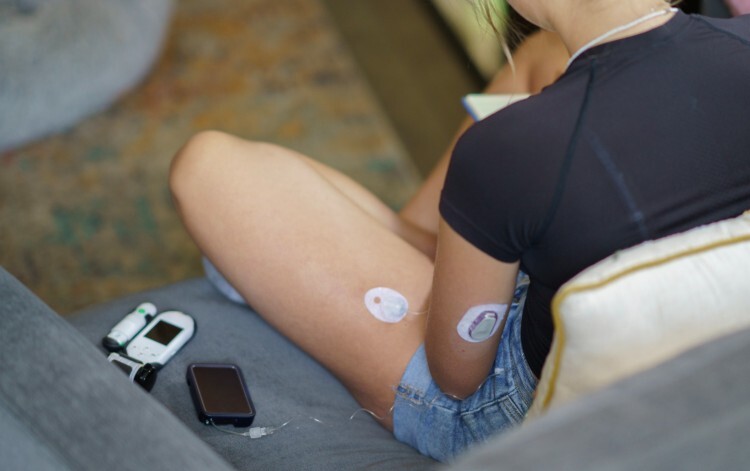
The ‘same rigorous standards’ used to evaluate medicines will now apply to medical devices, diagnostics and digital tools, the National Institute for Health and Care Excellence (NICE) has announced.
This new approach puts HealthTech on equal footing with medicines, ensuring that devices like wearable diabetes monitors and AI diagnostics reach patients faster and more consistently across the NHS.
It seeks to address longstanding tech inequalities across different NHS regions.
Related Article: Beyond the scales: reframing eating disorder recognition in primary care
Technologies which meet NICE’s standards will receive strong recommendations for NHS-wide implementation, supported by clear guidance on value and effectiveness.
Deputy director for HealthTech at NICE, Dr Sarah Bryon, said: ‘Health technologies are reshaping healthcare, opening up new ways to care for patients, diagnose conditions earlier, and help people stay healthier for longer.
‘These changes mean that more devices, diagnostics and digital tools will be used to address pressing issues across the NHS, such as long waiting lists.’
The initiative is part of the government’s broader Life Sciences Sector Plan, and it delivers the expansion of NICE’s technology appraisal process to cover devices, diagnostics and digital products.
The new standard for medical tech also contributes to the NHS 10 Year Health Plan’s vision for ‘using innovation to drive healthcare reform’ according to the NICE website.
Related Article: Sharp rise in diabetes cases prompts call for better postnatal support
NICE is currently consulting on updated evaluation methods through October 2025, working with industry and healthcare partners to refine the assessment framework.
The consultation will close at 5pm on Wednesday 22 October 2025.
This follows news that the UK is ‘losing the race for investment’ in pharmaceutical research and development (R&D), according to a report by the Association of the British Pharmaceutical Industry (ABPI).
The report found that, despite the UK being ‘home to one of the world’s leading life sciences ecosystems’, underinvestment in medicines and high clawback rates on pharmaceutical companies have meant that it is ‘increasingly being ruled out as a viable location for pharmaceutical investment’, the report said.
Related Article: Novo Nordisk launch new 7.2mg single-dose Wegovy pen
In another effort to boost the UK’s R&D infrastructure, the government recently announced the opening of an innovation centre in Oxfordshire and a pilot £50m life sciences fund.
‘Pioneering centres like these will help ensure this country remains a powerhouse in this growing industry,’ said health secretary Wes Streeting.

Keep your clinical knowledge up to date with The Pharmacist
Extend your learning and record your learning outcomes
Have your say
Please add your comment in the box below. You can include links, but HTML is not permitted. Please note that comments are not moderated before publication and the views expressed are those of the user and do not reflect the views of The Pharmacist. Remember that submission of comments is governed by our Terms and Conditions. You can also read our full guidelines on article comments here – but please be aware that you are legally liable for any libellous or offensive comments that you make. If you have a complaint about a comment or are concerned that a comment breaches our terms and conditions, please use the ‘Report this comment’ function to alert our web team.