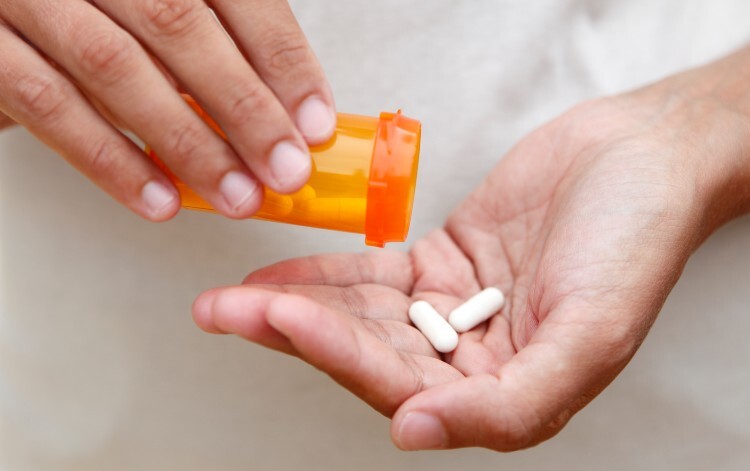
There has been a significant decline in the cost of dependency-forming medicines prescribed in England, according to quarterly data from the NHS Business Services Authority (NHSBSA).
Between April and June 2025/26 there were 16.5 million items for dependency-forming medicines prescribed to an estimated 4.37 million identified patients. The total cost of dependency-forming medicines prescribed was £83.7 million, which represents a 57% decrease since 2015/16.
According to NHSBSA, this can be attributed to an 84% decline in the total cost of gabapentoid prescribing and a 39% decrease in the total cost of opioid drugs, since the same period in 2015/16.
Related Article: Pharmacists concerned they will see ‘very little’ of contract funding boost
Dependency-forming medicines are those associated with dependence or withdrawal including opioids, benzodiazepines, gabapentinoids, Z-drugs and antidepressants.
The data showed that opioids were the most prescribed dependency-forming medicines with 9.67 million items prescribed at a cost of £64.5 million.
Prescribing of dependency-forming medicines was most common in females aged 60 to 64 with over 290,000 patients identified from this group.
Cheshire and Merseyside Integrated Care Board (ICB) spent the most on dependency-forming medicines between April and June with a total cost just over £5m, and they were closely followed by Greater Manchester ICB which spent £4.96m.
Related Article: Expansion of Pharmacy First a ‘key step’ in delivering preventative care
Guidance on safe prescribing and withdrawal management for adults can be found on the NICE website.
This trend reflects NHSBSA figures from March which found that, while there had been little change in the numbers of items prescribed, costs of the drugs fell by £2m in October to December 2024.
Earlier this month, The Pharmacist reported that drug misuse deaths were down in Scotland but remained ‘much more common’ than they were two decades ago.
Related Article: Beyond the scales: reframing eating disorder recognition in primary care
The most common drugs implicated were opiates and opioids, present in 80% of deaths, followed by benzodiazepines (56%) and cocaine (47%).
Cocaine fatalities were also at a record high with 479 deaths recorded for the second consecutive year.
Have your say
Please add your comment in the box below. You can include links, but HTML is not permitted. Please note that comments are not moderated before publication and the views expressed are those of the user and do not reflect the views of The Pharmacist. Remember that submission of comments is governed by our Terms and Conditions. You can also read our full guidelines on article comments here – but please be aware that you are legally liable for any libellous or offensive comments that you make. If you have a complaint about a comment or are concerned that a comment breaches our terms and conditions, please use the ‘Report this comment’ function to alert our web team.