Genetics may influence the effectiveness of weight loss drugs, study finds
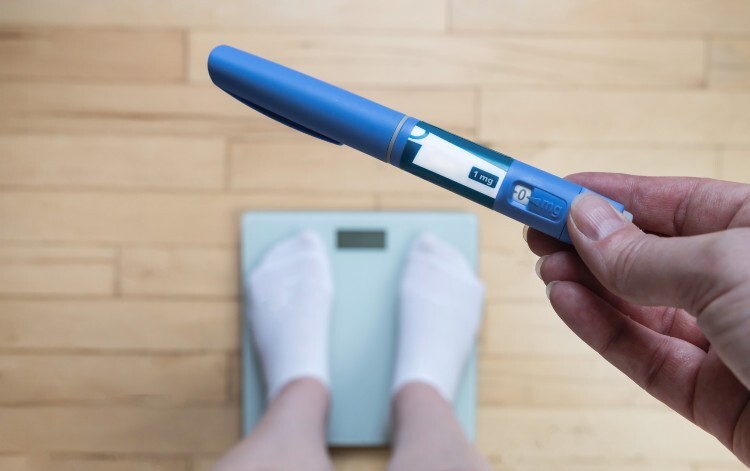
Variations in two genes involved in gut hormone pathways, which regulate appetite and digestion, may help to explain different weight-loss outcomes or side effects when taking GLP-1 medicines, a new study finds.
GLP-1 receptor agonists – including semaglutide and tirzepatide – mimic natural gut hormones and have become widely used to treat obesity and overweight. Despite their popularity, however, it has remained unclear why some patients lose significantly more weight than others, or why some experience side effects such as nausea and vomiting.
The study, which was published in Nature, used self-reported 23andMe data from 27,885 people taking GLP-1 drugs to investigate the genetic basis for this substantial inter-person variability.
The researchers, led by Adam Auton from the 23andMe Research Institute in the USA, identified two variants of the GLP1 receptor gene – rs10305420 and rs1800437 – as appearing to influence either the efficacy or side-effects of GLP-1 medications.
The authors found that the GLP-1 receptor variant rs10305420 was significantly associated with greater weight loss, with carriers of the variant losing an estimated additional 0.76 kg per copy of the variant compared with those who do not.
Meanwhile, the rs1800437 variant was associated with medication-related nausea and vomiting in people taking tirzepatide but was not associated with how much weight they lost.
According to the researchers, these findings suggest that genetic differences in drug target genes may contribute to why people respond differently to GLP-1 drugs and, therefore, these results could support future efforts to use genetic information to guide treatment choices for obesity.
Dr Marie Spreckley, research programme manager, University of Cambridge, said that this study 'provides biologically plausible evidence that variation in the drug target itself and related pathways contributes to inter-individual variability in response.'
She added: 'However, the magnitude of these genetic effects is small in clinical terms. In clinical trials, typical weight loss with these medications is often in the range of around 10-15%, so a difference of less than 1kg per allele is modest.'
The authors also note that several non-genetic factors are strongly associated with treatment outcomes as well – including sex, age, and which GLP-1 drug a person takes – and these remain important predictors of how much weight people lose.
Furthermore, the authors assert that the effects of genetics appear modest, and further research using larger and longer-term datasets is needed to understand how genetic information could support clinical decisions in the future.
Dr Spreckley said: 'Overall, this is an important step towards understanding variability and the potential for future precision approaches, but the effects are modest and the evidence is not yet sufficient to support using genetic information to guide treatment decisions in routine clinical practice.'
According to a recent study, an estimated 1.6 million adults in England, Wales and Scotland used GLP-1 drugs to help lose weight between early 2024 and early 2025. Moreover, an estimated 4.9 million adults – nearly one in 10 – had recently used a drug to support weight loss or were interested in using one in the near future.

Keep your clinical knowledge up to date with The Pharmacist
Extend your learning and record your learning outcomes

This information is very helpful, as it helps us understand that side effects like nausea aren't just dose-related, but can also be due to genetic variations. While the clinical impact is small, this is a good step forward for future medical research.