More than a third of parents incorrectly assume antibiotics are needed for ear infections
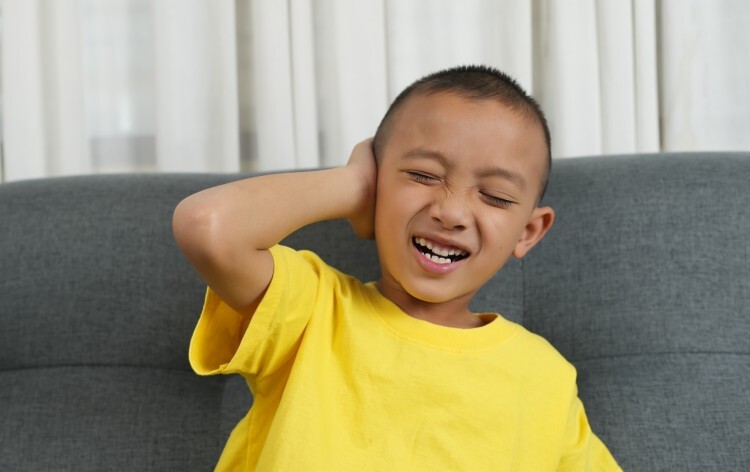
More than a third (36%) of surveyed parents incorrectly assumed children always needed antibiotics for ear infections, according to the latest research from the UK Health Security Agency (UKHSA).
The UKHSA-led study, which was conducted in partnership with Cardiff University and published in the British Journal of General Practice, surveyed over 500 parents across England whose children aged 10 years or younger had experienced ear infection symptoms in the previous year.
Catherine Hayes, UKHSA study lead, said: ‘Ear infections are very common and can cause real distress to both children and families, but antibiotics are often not necessary.’
She said the survey findings highlighted ‘that more can be done to support parents to understand when an ear infection is serious and what they can do’.
‘UKHSA’s work will aim to address this by developing resources to support health professionals and patients during consultations.’
Ms Hayes stressed that while antibiotics are ‘sometimes necessary for children with ear infections, unnecessary antibiotic use can cause side effects in children and contribute to antimicrobial resistance’.
She reminded parents that if their child was prescribed antibiotics, ‘it’s important to follow the advice of your GP, nurse or pharmacist’.
The survey was carried out as part of ongoing UKHSA work to identify opportunities to help reduce avoidable antibiotic use. It found that only around half (49%) of parents thought that most childhood ear infections could get better without antibiotics. Meanwhile, just over a quarter (27%) of parents were unsure.
The researchers found that most parents (74%) who consulted a healthcare professional did so within one to two days of their child's symptoms appearing. Of those who consulted a healthcare professional, just over half (56%) reported their child was prescribed antibiotics.
But it suggested there were ‘gaps’ between what parents expected from consultations and what they received, as 43% of respondents said they hoped for guidance on whether antibiotics were needed, but only 28% received it.
The research further highlighted the significant impact ear infections have on family life.
Over two-fifths (42%) of parents had to take time off work, while nearly two-thirds (62%) said their child missed school or nursery.
The UKHSA said work pressures appeared to influence consulting behaviour, with parents who missed work nearly five times more likely to seek medical help.
Ear infections often get better on their own within three days, although sometimes symptoms can last up to a week. A 2018 study showed that as few as one in five children require antibiotics to treat an ear infection.
NICE guidelines recommend that delayed or immediate antibiotics may be considered for children of any age with otorrhoea – discharge following perforation of the eardrum – or infection in both ears if the child is younger than two years old.
UKHSA data published in November showed antibiotic-resistant infections equate to nearly 400 new cases per week, underlining the importance of using antibiotics only when needed.

Keep your clinical knowledge up to date with The Pharmacist
Extend your learning and record your learning outcomes
Have your say
Please add your comment in the box below. You can include links, but HTML is not permitted. Please note that comments are not moderated before publication and the views expressed are those of the user and do not reflect the views of The Pharmacist. Remember that submission of comments is governed by our Terms and Conditions. You can also read our full guidelines on article comments here – but please be aware that you are legally liable for any libellous or offensive comments that you make. If you have a complaint about a comment or are concerned that a comment breaches our terms and conditions, please use the ‘Report this comment’ function to alert our web team.