New HIV diagnoses fall by 4% across UK but treatment inequalities persist
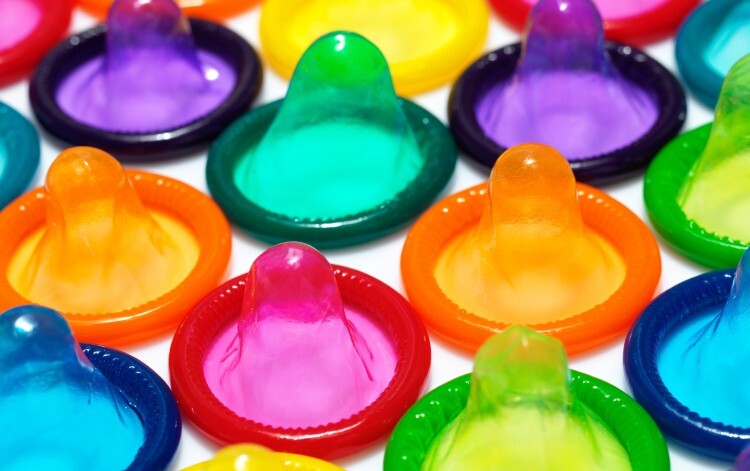
New HIV diagnoses have fallen by 4% from 2023 to 2024 – marking what has been described by the UK Health Security Agency (UKHSA) as ‘encouraging progress’ in efforts to reduce transmission.
Latest UKHSA data saw HIV diagnoses drop from 3,169 in 2023 to 3,043 across the UK in 2024.
The government agency said England continued to ‘excel in HIV prevention, treatment and care’, with 95% of all adults with HIV diagnosed, 99% of adults diagnosed receiving treatment, and 98% of adults on treatment having supressed viral loads.
Deaths among people living with HIV also decreased by 14% from 751 to 643 between 2023 and 2024.
However, testing and treatment inequalities persist, the data found. HIV testing rates fell by 7% in young people aged 15 to 24 despite increasing across all other age groups.
This cohort also had the lowest treatment rates at 96% compared to 99% for all other age groups, and only 91% had viral suppression, meaning they cannot pass HIV on through sex.
Related Article: Beyond the scales: reframing eating disorder recognition in primary care
Overall, HIV testing in sexual health services increased by 3% and contact tracing – where the sexual partners of people newly diagnosed with HIV are contacted and encouraged to have an HIV test – remained ‘highly effective’.
Access to Pre-Exposure Prophylaxis (PrEP) – a medicine taken by people at risk of HIV to prevent them from developing the disease – also varied across different demographics.
The highest uptake of PrEP was among white (79.4%) and ethnic minority (77.8%) men who have sex with men, while Black African heterosexual women (34.6%) and men (36.4%) had much lower uptake rates.
Geographic variations were also found, with diagnoses decreasing in London but increasing outside of London among heterosexual men.
Half of Black African heterosexuals were diagnosed ‘late’ compared to under a third of gay and bisexual men, the UKHSA said.
And 42% of all new cases in England were late diagnoses, with adults diagnosed late 10 times more likely to die within a year compared to adults diagnosed quickly.
Head of HIV section at UKHSA, Dr Tamara Djuretic, said it was ‘excellent’ to see new HIV diagnoses fall and high levels of people on treatment having suppressed viral loads.
‘However, we’re concerned about poorer testing and treatment outcomes among young people, who are at a crucial stage for establishing healthy sexual behaviours,’ she said.
Dr Djuretic stressed the importance of early diagnosis and encouraged sexually active people to get regularly tested. The treatment for HIV is highly effective and those who test positive can expect to life ‘a long, healthy life’ with the proper care, she added.
HIV tests and PrEP are free and confidential through the NHS and local sexual health services.
The Department of Health and Social Care (DHSC), with UKHSA, NHS England and partners, continue to develop the next HIV Action Plan which will be published this year.
Related Article: Sharp rise in diabetes cases prompts call for better postnatal support
In a roadmap published in February 2024, the government said it would continue exploring whether PrEP could be made available in primary care settings such as community pharmacies.
However, ‘more evidence’ was needed ‘on the effectiveness’ of providing PrEP outside sexual health services.
The idea was first included in an action plan from 2021 in which the government said it wanted to ‘improve access to PrEP for key population groups’.
President of the Royal Pharmaceutical Society (RPS), Professor Claire Anderson, said: ‘These figures show a clear need to support patient access to PrEP and address health inequalities. Pharmacists are trusted and accessible healthcare professionals, ideally placed to reach people who may face barriers to care.
‘Community pharmacy pilot schemes have shown how effective this can be, and building this into a national approach is long overdue.’
She urged ministers to widen access to PrEP via community pharmacy and ensure that this is included in the forthcoming HIV Action Plan.
Related Article: Novo Nordisk launch new 7.2mg single-dose Wegovy pen
Since the launch of the Teenage Pregnancy Strategy for England 25 years ago, under-18 conception rates have fallen by 70%, with the biggest declines seen in the most deprived areas.
However, recent figures show a reversal of this long-term trend, with both under-18 conceptions and abortions increasing since 2020, alongside a decline in condom use among adolescents.
In March 2024, European health officials also reported a ‘troubling surge’ in sexually transmitted infections (STIs) such as gonorrhoea, syphilis and chlamydia.

Keep your clinical knowledge up to date with The Pharmacist
Extend your learning and record your learning outcomes
Have your say
Please add your comment in the box below. You can include links, but HTML is not permitted. Please note that comments are not moderated before publication and the views expressed are those of the user and do not reflect the views of The Pharmacist. Remember that submission of comments is governed by our Terms and Conditions. You can also read our full guidelines on article comments here – but please be aware that you are legally liable for any libellous or offensive comments that you make. If you have a complaint about a comment or are concerned that a comment breaches our terms and conditions, please use the ‘Report this comment’ function to alert our web team.