Only 8% of pregnant women discussed vaccines with a pharmacist
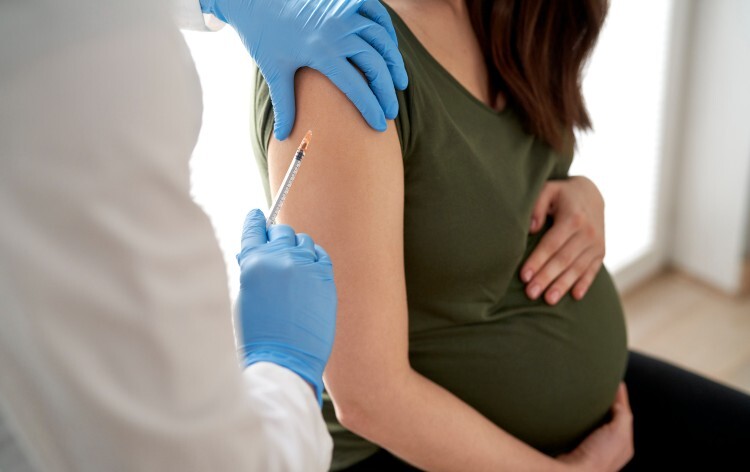
Pharmacists were the healthcare professional pregnant women were least likely to discuss maternal vaccines with, a new survey shows.
The poll from the UK Health Security Agency (UKHSA) found that only 8% of the 800 women surveyed said that a pharmacist had discussed maternal vaccinations with them.
In comparison, 62% said a midwife had discussed vaccinations with them; 31% had discussed vaccines with a nurse at the antenatal clinic; and 16% had been spoken to by a GP.
The women – who were either pregnant or had recently given birth – also said they trusted their family (11%) slightly more than they trusted pharmacists (10%) as a source of information on vaccines.
Related Article: Research review: a look at the latest clinical papers
The top three trusted sources of information on vaccines were midwives (51%), ‘the NHS’ (46%) and GPs (31%).
Sector leaders said that because pharmacies were very accessible to patients, they were well placed to support pregnant women with their vaccinations.
Malcolm Harrison, chief executive of the Company Chemists' Association, said: ‘As vaccination becomes an increasingly core part of the community pharmacy offer, pharmacy teams need to embed vaccine promotion and education into everyday practice.
‘Pharmacies are highly accessible and have significant reach within local communities. This presents a great opportunity to support pregnant women with trusted information about maternal vaccinations.’
Amandeep Doll, Royal Pharmaceutical Society director for England, said ensuring pharmacists were fully integrated into vaccination programmes will help more pregnant women access reliable advice and protection for themselves and their babies.
She added: ‘Community pharmacists see patients regularly and are well placed to provide trusted advice on vaccines recommended in pregnancy, such as flu, RSV and pertussis, as well as answering questions when pregnant women visit their pharmacy.’
NHS England said that pregnant women are recommended three vaccines during pregnancy, whooping cough, respiratory syncytial virus (RSV) , and the flu vaccines during winter.
Related Article: Seven illnesses meningitis is often mistaken for
Nine-in-ten (91%) pregnant women told the UKHSA poll they had heard about vaccines during pregnancy and most (86%) said they had seen or heard something that made them feel it was important to have pregnancy vaccines.
The survey also found that more than 60% of the women, who had been or intended to be vaccinated, said that being advised to have any of the pregnancy vaccines by a healthcare professional was an important reason for taking up the offer.
While around 40% of women who had a discussion with a healthcare professional were already going to have the vaccine, an additional 40% said they felt more confident about having a pregnancy vaccine following the discussion.
UKHSA lead scientist Dr Helen Campbell said: ‘These findings highlight again just how important midwives and other healthcare professionals are in supporting women to feel informed and confident about vaccination.’
The UKHSA said that the most recent vaccine uptake data shows that of women who gave birth in September 2025, 59.9% received the RSV vaccine and 72% received the whooping cough vaccine.
Related Article: MenB vaccination programme to be rolled out in pharmacies
And while whooping cough cases are currently low, 11 infants died from the vaccine-preventable disease in 2024, the UKHSA said.
The government last year ran a campaign urging pregnant women to come forward for vaccinations against flu, RSV and whooping cough.

Keep your clinical knowledge up to date with The Pharmacist
Extend your learning and record your learning outcomes

Have your say
Please add your comment in the box below. You can include links, but HTML is not permitted. Please note that comments are not moderated before publication and the views expressed are those of the user and do not reflect the views of The Pharmacist. Remember that submission of comments is governed by our Terms and Conditions. You can also read our full guidelines on article comments here – but please be aware that you are legally liable for any libellous or offensive comments that you make. If you have a complaint about a comment or are concerned that a comment breaches our terms and conditions, please use the ‘Report this comment’ function to alert our web team.