Scotland to enforce stricter rules on cosmetic procedures like botox
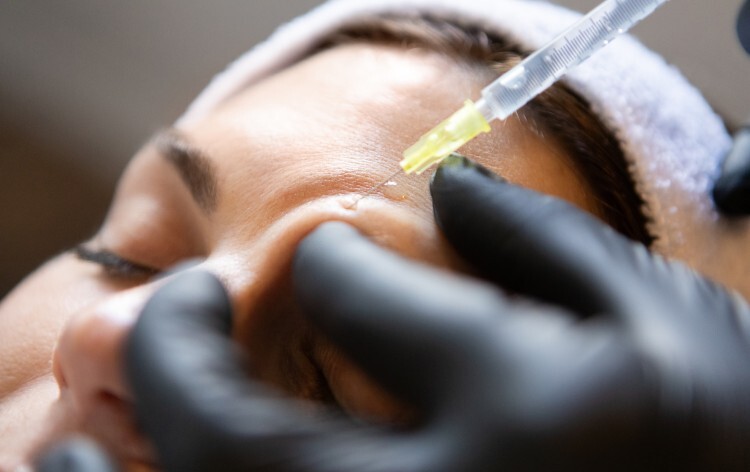
A new Bill introducing stricter regulations of higher-risk cosmetic procedures such as Botox and fillers has been approved by politicians in Scotland.
The Non-surgical Procedures and Functions of Medical Reviewers (Scotland) Bill was passed by parliament last week and is expected to come into force in September 2027.
It will require procedures to be performed by, or alongside, certain healthcare professionals in a registered setting, bringing ‘consistent regulation to the industry’. The Bill also ensures non-surgical cosmetic procedures cannot be performed on under 18s.
A spokesperson from the General Pharmaceutical Council said: 'The Bill has outlined the role of a prescribing pharmacist in detail along with requirements for where certain non-surgical procedures can be carried out. We would expect pharmacists to follow our standards, guidance and the legislation as set out in the Bill as with any service being provided.'
The Bill comes after nurses urged politicians to strengthen accountability, training standards and reporting mechanisms for non-surgical cosmetic procedures following rising reports of unsafe procedures being carried out by unregulated professionals.
The Bill will also give ministers powers to specify requirements about the training or qualifications of persons who may provide, or supervise, the provision of a non-surgical procedure.
Healthcare Improvement Scotland will also be able to inspect premises where there are reasonable grounds to believe an offence is being committed.
Public health minister for Scotland, Jenni Minto, added: ‘Non-surgical cosmetic procedures are increasingly popular, and when not carried out safely they can cause serious and lasting harm.
‘This legislation is designed to ensure that higher-risk procedures take place in appropriate settings with a healthcare professional present, and that under-18s are properly protected. These are meaningful, proportionate changes that put public safety first.
‘I also recognise the importance of ensuring businesses are supported to adapt to new requirements and we have listened closely to the sector.
‘The offences in the Bill cannot come into force before September 2027 giving an extended period of time for businesses to respond to these changes.
‘The Bill is designed to be responsive to changes in the industry, and the procedures will be kept under review to ensure the list remains effective and proportionate.’
The government in England is also being urged to take action and introduce a licensing system for non-surgical cosmetic procedures.
The Women and Equalities Committee (WEC) have urged ministers to ban ‘high harm’ procedures, such as the liquid Brazilian butt lift (BBL), after warnings of ‘wild west’ treatments being given in garden sheds and toilets.
Last year, the government pledged to introduce new regulations that would mean only qualified healthcare professionals such as nurses will be able to perform high-risk cosmetic procedures, while stricter oversight of lower risk cosmetic treatments would also be introduced through a new ‘local authority licensing system’.
However, ministers have been accused by the WEC of not ‘moving quickly enough’ to introduce the licensing and regulation system.
Michael Saul, partner at Cosmetic Surgery Solicitors, a specialist law firm dedicated to dealing with cosmetic surgery negligence, hopes the passing of the Bill in Scotland will encourage England and Wales to follow suit.
‘As a firm that has represented cosmetic injury victims across England and Wales for many years, we have watched Scotland’s approach to this legislation with considerable interest,’ he said.
‘We hope that this encourages England and Wales to move forwards with their own regulation.
‘[The Bill] should send an unambiguous message to the UK Government, that there is no real political barrier to acting on this.
‘We call on ministers in Westminster to bring forward equivalent legislation for England and Wales, to ensure that no further patients risk being exposed to practitioners with no qualifications, no insurance, and no accountability.’
A version of this story first appeared on The Pharmacist's sister title Nursing in Practice.

Keep your clinical knowledge up to date with The Pharmacist
Extend your learning and record your learning outcomes
Have your say
Please add your comment in the box below. You can include links, but HTML is not permitted. Please note that comments are not moderated before publication and the views expressed are those of the user and do not reflect the views of The Pharmacist. Remember that submission of comments is governed by our Terms and Conditions. You can also read our full guidelines on article comments here – but please be aware that you are legally liable for any libellous or offensive comments that you make. If you have a complaint about a comment or are concerned that a comment breaches our terms and conditions, please use the ‘Report this comment’ function to alert our web team.