What pharmacists need to know about hearing loss
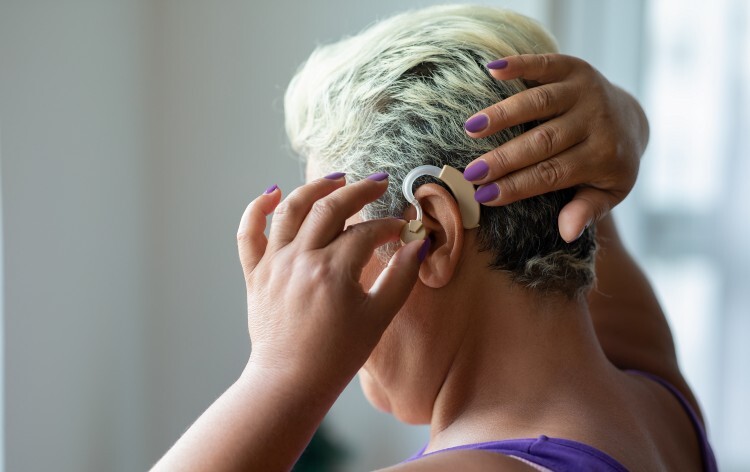
Despite the clear links between hearing and overall health, millions of people avoid seeking help for hearing loss. In fact, out of an estimated 10 million adults who could benefit from hearing aids in the UK, only 3 million use them.
It's Deaf Awareness Week (4 -10 May) and Franki Oliver, an audiology manager at the Royal National Institute for Deaf People (RNID), explains how pharmacy teams can play a vital role in spotting early signs, supporting patients and breaking down barriers to care.
Hearing health should be on every pharmacist’s radar. One in three adults in the UK are deaf, have hearing loss or tinnitus,1 yet hearing is often neglected when it comes to health, with many people living with undiagnosed hearing loss or delaying seeking help for years.2
Pharmacies are well placed to help identify early signs of hearing loss and provide people with day-to-day support, with the likes of earwax management and battery issues.
Why caring for our hearing matters
Hearing plays a vital role in everyday life, and good hearing health shouldn’t be taken for granted. Conversely, undiagnosed hearing loss is associated with conditions such as depression, social isolation, loneliness and falls2– so it’s crucial those who are affected get the right support.
Furthermore, some research has suggested an association between hearing loss and dementia, though the precise nature of the relationship remains poorly understood.3 With that being said, given that social isolation is itself a known risk factor for dementia, and is a known consequence of hearing loss, this may partly explain the connection.
Overall, there is a growing body of evidence demonstrating the benefits of caring for hearing health throughout a lifetime, from protecting ears from loud noise, to checking hearing regularly.
Yet we know too many people in the UK are not getting the support they need. Hearing loss can be slow to spot, and additional factors like fear and embarrassment can cause people to wait years before seeking help.
The role of the pharmacy
From treating acute otitis media through Pharmacy First, to providing advice on ear wax removal and in some areas delivering hearing checks, more pharmacies than ever before are helping the nation’s hearing health.
Pharmacy staff have a unique opportunity to recognise signs of hearing loss, raise the topic sensitively and point people in the right direction for support. This could be as simple as advising people on how to get ear wax removed in their locality or how they can be referred to their local NHS audiology service.
Pharmacy staff can also provide information and advice when people need it most. For example, if someone shares worrying symptoms such as sudden hearing loss in one or both ears – where diagnosis and treatment are urgent – it’s important that they immediately contact NHS 111, or visit their nearest urgent care centre or A&E as soon as possible.
Other signs that require immediate or urgent onward referral include sudden onset of pulsatile tinnitus, suspected foreign body in the ear canal, hearing loss or tinnitus associated with any neurological symptoms such as facial droop, and tinnitus with significant psychiatric symptoms.4
How to support people with hearing loss
There are many easy ways people can start their journey towards good hearing health.
For people who haven’t had a hearing test, you can encourage them to take RNID’s free online hearing test. The test takes three minutes and can be done at home – all you need is a quiet environment and a stable internet connection.
People can also get a referral for a free hearing test on the NHS by seeing their GP, who may then refer them to an NHS audiologist for a full hearing assessment. People can also decide to get their hearing tested privately.
RNID also provides local hearing aid support services across the UK, so if anyone is struggling with their hearing aids, pharmacy staff can signpost people to these services. These services help with essential maintenance, battery replacement and in person advice. The RNID Near You service also offers our online hearing test in person for those that cannot complete it online.
For other hearing-related concerns where pharmacists may need to direct people to further support or information, RNID, Tinnitus UK, and NHS websites offer plenty of helpful resources, tips and advice.
Hearing aids
Hearing aids can be life-changing, and have been shown to improve people’s physical, social, emotional, and mental wellbeing.2 However, out of an estimated 10 million adults who could benefit from hearing aids in the UK, only 3 million use them.5
All hearing aids available today, either through the NHS or privately, are digital and of high quality. Hearing aids commonly come with additional features such as Bluetooth connectivity, allowing wearers to take phone calls and stream music directly through their hearing aids.
The hearing aid landscape is changing, and pharmacy staff may find that they’re asked about hearing aids, especially hearing aids that can be bought ‘over-the-counter’ (OTC). In 2025, the Department of Health and Social Care announced that OTC hearing aids,6 including consumer ear buds with hearing aid features, could be sold to the public without being prescribed by a hearing care professional.
Over-the-counter hearing aids can be a helpful starting point for some people, especially as a mechanism to encourage taking action on hearing loss sooner. However, RNID would encourage anyone who is concerned about their hearing to see a hearing care professional as they can carry out a full diagnostic test and identify any medical cause for hearing loss that can be treated, as well as recommend the best course of action.
Tackling barriers to hearing care
Hearing plays a vital role for our overall wellbeing, yet many people delay seeking help because of stigma or misconceptions, which can risk people living with undiagnosed hearing loss for years. RNID research shows that over one in three people (34%) would try to hide their hearing aids, and one in ten (11%) would even rather live with hearing loss than wear them.7
Modern hearing aids, however, are discreet, advanced devices that benefit people of all ages and backgrounds. They can make quiet sounds louder, muffle background noise, and even allow people to stream their favourite music directly to their ears. Research shows that hearing aids can bring massive benefits to your health and wellbeing,8 so it’s essential to share these benefits with the general public and leave negative attitudes behind.
For anyone who appears reluctant to get their hearing checked or is struggling with hearing aids they already have, pharmacists can encourage them to return to their audiology provider or to a local RNID Near You drop in session. Often, some simple adjustments or additional support can make a big difference.
When acting on hearing loss, small, everyday interactions in the pharmacy can have a life-changing impact. By offering reassurance, recognising early signs and connecting people with the right support, pharmacy teams can help people take those first steps in their hearing health journey.
By focusing on early action and reducing the stigma around seeking help, pharmacy teams can play a powerful role in ensuring that no one has to struggle with hearing loss alone.
Franki Oliver is an audiology manager at the Royal National Institute for Deaf People (RNID).
References
- Prevalence of deafness and hearing loss. https://rnid.org.uk/get-involved/research-and-policy/facts-and-figures/prevalence-of-deafness-and-hearing-loss/
- Facts and statements on health. https://rnid.org.uk/get-involved/research-and-policy/facts-and-figures/facts-and-statements-on-health/
- Livingston G, et al. Dementia prevention, intervention, and care: 2024 report of the Lancet standing Commission. Lancet 2024; 404: 10452.
- Ear, Nose and Throat: referral guidelines (adult). https://gettingitrightfirsttime.co.uk/wp-content/uploads/2025/07/ENT-Referral-Guidelines-Adult-combined-August-2025.pdf.
- https://rnid.org.uk/get-involved/research-and-policy/facts-and-figures/facts-and-statements-on-health/
- UK. Hearing aids in the UK. https://www.gov.uk/government/publications/hearing-aids-in-the-uk.
- New research finds 1 in 3 would try and hide hearing aids if they needed them. https://rnid.org.uk/2024/09/social-stigma-around-hearing-aids/.
- Ferguson MA, et al. Hearing aids for mild to moderate hearing loss in adults. Cochrane Database of Systematic Reviews 2017; 9: CD012023.

Keep your clinical knowledge up to date with The Pharmacist
Extend your learning and record your learning outcomes
Have your say
Please add your comment in the box below. You can include links, but HTML is not permitted. Please note that comments are not moderated before publication and the views expressed are those of the user and do not reflect the views of The Pharmacist. Remember that submission of comments is governed by our Terms and Conditions. You can also read our full guidelines on article comments here – but please be aware that you are legally liable for any libellous or offensive comments that you make. If you have a complaint about a comment or are concerned that a comment breaches our terms and conditions, please use the ‘Report this comment’ function to alert our web team.