Cost pressures driving unsafe weight-loss jab ‘hacks’
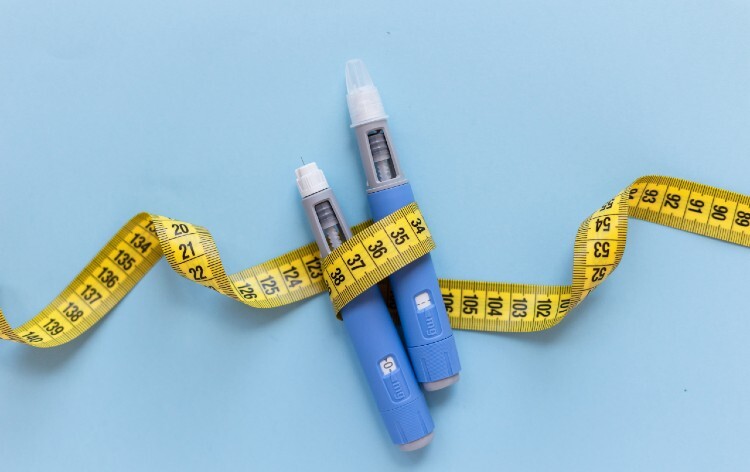
Users of GLP-1 weight-loss injections are experimenting with potentially risky dosing practices to save costs, according to a survey.
The survey by LloydsPharmacy Online Doctor found that 32% of users had tried so-called ‘hacks’ to make their prescriptions last longer, including taking smaller-than-prescribed doses, combining leftover amounts to create an extra ‘golden dose’, or pausing treatment temporarily to save money.
The research also found that more than a quarter of users say they have sourced medication from unregulated suppliers to save money.
Related Article: Research review: a look at the latest clinical papers
The poll of 501 UK adults with direct experience of taking weight-loss GLP-1 injections found that nearly eight in 10 of those who had tried these tactics said they had been driven by cost, with January's extended gap between paydays adding to financial strain.
Dr Kieran Seyan, chief medical officer at LloydsPharmacy Online Doctor, warned that such behaviour carries serious risks.
'These medicines are still relatively new, and the evidence base relates to specific doses and treatment pathways,’ he said.
‘Experimenting with dosing “hacks" to make prescriptions last longer is a risky strategy and can expose patients to safety risks and unknown side effects.'
More than one in four people (28%) who had used GLP-1 drugs said they had bought them from unlicensed sellers, including social media platforms, beauty salons and the dark web.
Related Article: Seven illnesses meningitis is often mistaken for
One in five said they were using medicines not currently licensed for weight loss in the UK and a further 12% said they were unsure whether their supply was legitimate.
Dr Seyan said reports of people buying weight-loss medication from unofficial sources were 'extremely concerning'. He urged the public to ensure providers are properly registered with the Care Quality Commission or the General Pharmaceutical Council.
The research also raised questions about how weight-loss drugs are being used. Only 43% of current users had a BMI above 30 – the clinical threshold for obesity – while one in seven had a BMI in the healthy range.
Related Article: MenB vaccination programme to be rolled out in pharmacies
Among those with a BMI below 25, 55% cited body confidence and self-esteem as their main motivation and over half said celebrity endorsements influenced their decision to try the medication.
The findings come amid warnings from the Medicines and Healthcare products Regulatory Agency (MHRA) about counterfeit and unlicensed weight-loss drugs circulating in the UK.

Keep your clinical knowledge up to date with The Pharmacist
Extend your learning and record your learning outcomes
Have your say
Please add your comment in the box below. You can include links, but HTML is not permitted. Please note that comments are not moderated before publication and the views expressed are those of the user and do not reflect the views of The Pharmacist. Remember that submission of comments is governed by our Terms and Conditions. You can also read our full guidelines on article comments here – but please be aware that you are legally liable for any libellous or offensive comments that you make. If you have a complaint about a comment or are concerned that a comment breaches our terms and conditions, please use the ‘Report this comment’ function to alert our web team.