Impact of Iran war on drug supply chains likely to worsen in coming months
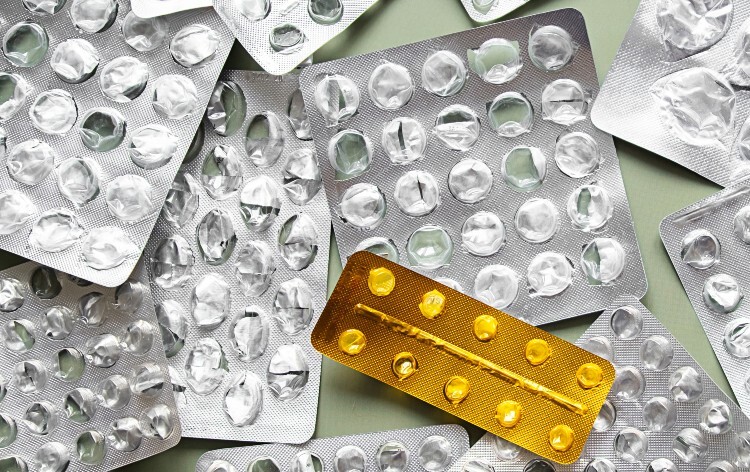
A pharmacy leader has warned that the impact of the US-Iran conflict on medicine supply chains will ramp up over the next few months.
Community Pharmacy England North West regional representative Fin McCaul said that challenges with raw materials was ‘probably the biggest problem’ the sector was going to face.
Speaking at the Sigma's Pharmacy Market Dynamics and Sustainability Conference in Leicester he highlighted four key areas: immediate supplies, logistics of end products, raw materials and digital warfare.
In a presentation on medicine shortages, Mr McCaul also said that the impact of the war was only having a ‘very limited’ impact so far due to the length of the supply chains.
Related Article: Pharmacists concerned they will see ‘very little’ of contract funding boost
But he warned things were likely to get worse over the next three or four months, with the biggest impact likely to be on the raw materials used in the manufacture of drugs and active pharmaceutical ingredients (API).
He added: ‘Raw materials is probably the biggest problem that we're going to face, but it'll be three to four months down the line before we see it.
‘Propane gas and LPG [liquefied petroleum gas] gas in India is a critical factor in the manufacture [of drugs], where a significant amount of all drugs are made for [the] UK. So, it's coming down the line rather than being here now.’
Mr McCaul also said that APIs are likely to see price increases, adding: ‘Raw materials, in terms of feedstocks, API price increases are coming.'
He said that APIs were mainly coming from China, but there could be an impact on transportation costs further down the line.
But Mr McCaul also said that the conflict could have an impact on a lot of petrochemicals that would in turn affect raw drugs, with propylene used for ibuprofen, as well as on packaging and transportation for things like cancer drugs.
Related Article: Expansion of Pharmacy First a ‘key step’ in delivering preventative care
‘So, there's a very complex picture that we're looking at,’ he added, and pointed to some wholesalers who have ‘already put surcharges on for fuel deliveries’.
The Department of Health and Social Care (DHSC) confirmed that there are around 14,000 medicines licensed in the UK, and the overwhelming majority are in good supply.
A DHSC spokesperson said: ‘The vast majority of the UK's licensed medicines are in good supply, and we will continue working closely with industry partners to help ensure the continued supply of medicines and medical products.
‘We are monitoring the situation closely and have robust measures in place to manage disruption across the health and social care sector to protect patients, including holding buffer stocks and the procurement of alternative products where necessary.’
Related Article: Beyond the scales: reframing eating disorder recognition in primary care
Independent Pharmacies Association (IPA) chief executive Dr Leyla Hannbeck wrote to former health secretary Wes Streeting in March to call for action to prevent worsening medicine shortages due to conflict in the Middle East.
And head of NHS England Sir Jim Mackey revealed that same month that he was ‘really worried’ that some medicine and equipment supplies could run out in a matter of days due to the ongoing war in the Middle East.
Have your say
Please add your comment in the box below. You can include links, but HTML is not permitted. Please note that comments are not moderated before publication and the views expressed are those of the user and do not reflect the views of The Pharmacist. Remember that submission of comments is governed by our Terms and Conditions. You can also read our full guidelines on article comments here – but please be aware that you are legally liable for any libellous or offensive comments that you make. If you have a complaint about a comment or are concerned that a comment breaches our terms and conditions, please use the ‘Report this comment’ function to alert our web team.