Ketamine should remain a class B drug
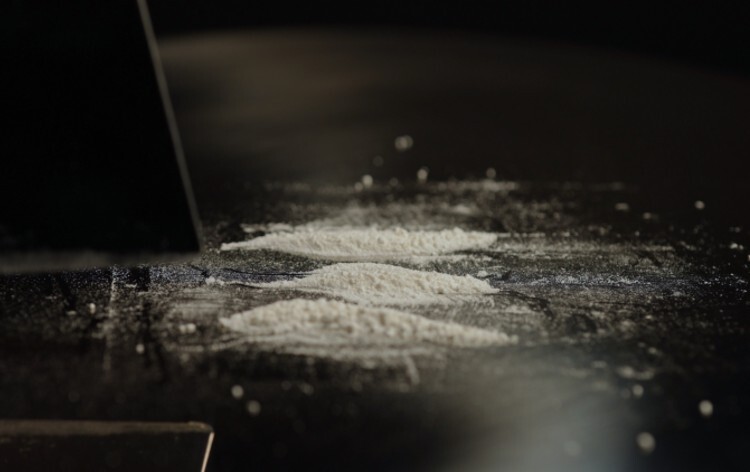
Ketamine should remain a class B drug, but healthcare professionals ‘must’ receive greater support to tackle ketamine-related harms, the Advisory Council on the Misuse of Drugs (ACMD) has announced.
In January 2025, the government asked the ACDM to review the prevalence and harms of the misuse of ketamine.
The ACMD published its updated harms assessment of ketamine today after examining the latest evidence, engaging with people who had lived experience of the substance, consulting stakeholders, and reviewing academic research.
Related Article: Research review: a look at the latest clinical papers
It concluded that ketamine should not be reclassified and should remain in class B because the acute harms of ketamine – such as toxicity and death – align with its current status.
However, it also said that police forces and healthcare professionals must receive greater support to better identify, prevent and respond to ketamine-related harms.
The ACMD chair, Professor David Wood, said: ‘The ACMD report highlights the need for a “whole system approach” through its recommendations to tackle issues related to ketamine use, as no single recommendation is sufficient to do this alone.’
Many harms experienced by ketamine users are likely to be influenced by using other drugs at the same time, so reclassifying ketamine in isolation would be unlikely to reduce prevalence or misuse, the report said.
Related Article: Seven illnesses meningitis is often mistaken for
Individuals with personal experience of ketamine use and harms who contributed to the review said they did not believe upgrading ketamine to class A would reduce its use. Health and social care professionals largely voiced opposition to reclassification too.
The ACMD concluded that a public health‑centred approach is essential for reducing ketamine-related harms, which will require action across public bodies, health services, and community organisations.
Ketamine is widely used to treat pain and treatment-resistant depression.
Related Article: MenB vaccination programme to be rolled out in pharmacies
It was originally a class C drug, and it was reclassified to a class B drug in June 2014, following the recommendations of a 2013 ACMD review.
In October, a new ‘anti-drugs’ government campaign warned young people of the serious risks associated with taking ketamine as well as synthetic opioids or deliberately contaminated THC vapes.

Keep your clinical knowledge up to date with The Pharmacist
Extend your learning and record your learning outcomes
Have your say
Please add your comment in the box below. You can include links, but HTML is not permitted. Please note that comments are not moderated before publication and the views expressed are those of the user and do not reflect the views of The Pharmacist. Remember that submission of comments is governed by our Terms and Conditions. You can also read our full guidelines on article comments here – but please be aware that you are legally liable for any libellous or offensive comments that you make. If you have a complaint about a comment or are concerned that a comment breaches our terms and conditions, please use the ‘Report this comment’ function to alert our web team.