Pharmacies prepare for ‘significant public interest’ in weight-loss pills
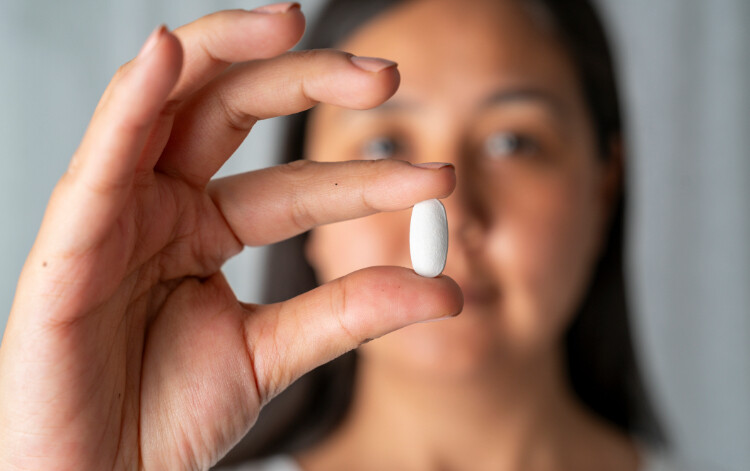
Online pharmacies are gearing up for ‘significant public interest’ in a new oral weight-loss medication, with the Wegovy pill currently awaiting approval from the UK medicines regulator.
Superdrug Online Doctor has launched an information register for people who wish to receive updates on the new weight-loss pill to ensure they can access accurate, responsible guidance.
This will provide updates as and when they are released, including information on how the treatment works, how it is administered, eligibility, and any possible side effects.
Dr Clair Grainger, a GP at Superdrug Online Doctor, said: ‘We’re aware that there is a considerable and growing public interest in the evolving landscape of weight management treatments.
‘As new options become available, it’s essential that people have access to reliable information from qualified healthcare professionals rather than unregulated sources.
Related Article: Transdermal patches for dementia treatment discontinued
‘Obesity and weight management are complex medical areas, and any new treatment options will come with specific prescribing guidelines and eligibility criteria that must be followed.’
Superdrug stressed that registering for updates does not guarantee access or eligibility but simply provides a way for people to stay informed.
The information register comes as Novo Nordisk has said it is currently working with the Medicines and Healthcare products Regulatory Agency (MHRA) to seek UK approval of its Wegovy pill, which launched in the US earlier this year.
The MHRA told The Pharmacist: ‘We are committed to providing safe, timely access to medicines for UK patients. No medicine will be approved unless it meets our stringent standards of safety, quality and effectiveness.’
Dr Kieran Seyan, chief medical officer of online pharmacy Pharmacy2U, described oral GLP-1s as an ‘important development’ in the management of obesity in the UK.
He said: ‘Around one-in-ten people report a fear of needles, and many others may prefer an oral route, so this development may encourage more people to seek advice from a GP or prescribing pharmacist about evidence-based weight management options.
‘As these medicines become more widely used, it is essential that prescribing continues to be guided by clinical need, within licensed indications, and supported by appropriate medical oversight and wraparound care.
‘Patients should also be aware of the risks of counterfeit or unregulated products and should always consult a registered healthcare professional before starting treatment.’
Related Article: Warning issued over labelling error on osteoporosis medicine
His comments come after a minister acknowledged that it will be easier to mass-produce counterfeit weight-loss pills than injections and warned that ‘we will have to be ready’.
Associate medical director at LloydsPharmacy Online Doctor, Dr Mitra Dutt, expects the weight-loss pill to broaden access and encourage more patients to seek support, but also stressed the importance of nutritional guidance and lifestyle changes alongside it.
She added: ‘For some, an oral treatment may offer greater convenience and flexibility, and for others it may form part of a longer-term, clinically guided approach to weight management where treatment options are reviewed over time.
‘However, medication is only one part of effective weight management. Outcomes are typically improved when treatment is supported by appropriate clinical oversight, nutritional guidance, and sustainable lifestyle changes.’
She also echoed Dr Seyan’s warning about counterfeit medicines and urged anyone considering treatment for weight management to seek treatment from a qualified healthcare professional.
Related Article: Antidepressant impacted by packaging error
Meanwhile, clinical trials of AstraZeneca’s oral GLP-1, elecoglipron, found that the pill delivered a 10.5% reduction in body weight at 26 weeks compared to 0.6% with placebo.
The trial results, presented at the 2026 Scientific Sessions of the American Diabetes Association (ADA) and published in The Lancet, also showed that weight loss in participants did not plateau, reaching 11.8% at 36 weeks compared to 0.3% with placebo.
The new trial involved 300 people recruited from Australia, Canada, Germany, Japan, Taiwan, the UK and the US. All were overweight or obese but did not have type 2 diabetes.

Keep your clinical knowledge up to date with The Pharmacist
Extend your learning and record your learning outcomes
Have your say
Please add your comment in the box below. You can include links, but HTML is not permitted. Please note that comments are not moderated before publication and the views expressed are those of the user and do not reflect the views of The Pharmacist. Remember that submission of comments is governed by our Terms and Conditions. You can also read our full guidelines on article comments here – but please be aware that you are legally liable for any libellous or offensive comments that you make. If you have a complaint about a comment or are concerned that a comment breaches our terms and conditions, please use the ‘Report this comment’ function to alert our web team.