Obesity overtakes cancer as highest value drug development area
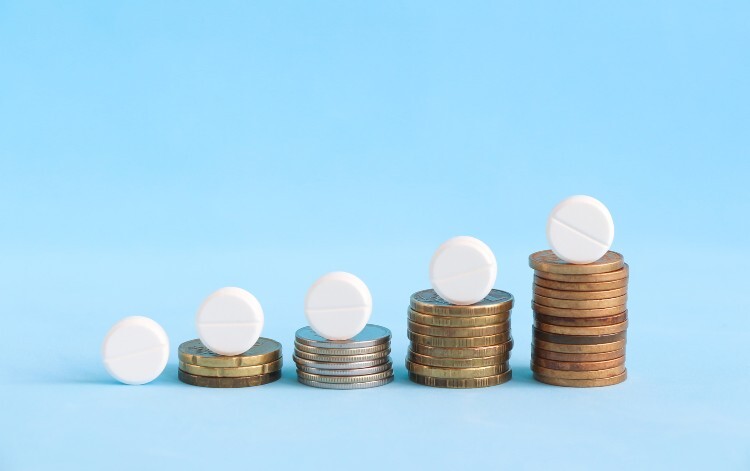
Obesity drugs have replaced oncology as the highest value area in drug development, a report from accountancy firm Deloitte has found.
The Measuring the return from pharmaceutical innovation report, published last week, said that glucagon-like peptide-1 (GLP-1) and glucose-dependent insulinotropic polypeptide (GIP) drugs accounted for approximately 25% of total forecast sales of the late-stage pipeline in 2025 – up from just 1% in 2022.
Cancer drugs on the other hand, contributed 20% of the total late-stage forecast value in 2025, down from 26% in 2024.
Related Article: New MHRA and FDA liaison programme announced
This ‘seismic shift’ is risky for pharmaceutical companies because it makes them more dependent on one therapeutic area, the report warned.
It said: ‘This rapid consolidation of value means that the portfolios of the highest-performing companies in our analysis are now more sensitive to therapy area-specific shocks.
‘Tightening of pricing and market access, an increase in competitive intensity, unexpected safety signals, or manufacturing supply constraints within the GLP-1/GIP space could have a significant impact on their overall R&D returns.’
Professor Amira Guirguis, chief scientist at the Royal College of Pharmacy, said: ‘The Deloitte report highlights a major shift in pharmaceutical innovation, with GLP-1 obesity medicines now accounting for a much larger share of pipeline value and, for the first time in 16 years, overtaking oncology.
‘This reflects strong scientific and commercial momentum in obesity research, while also raising important questions about balance across the wider innovation pipeline.
‘For patients, these medicines may offer meaningful benefits where excess weight and related comorbidities are affecting health and quality of life. However, their use must remain evidence based, safely regulated, and firmly grounded in clinical need.
Related Article: Asda Pharmacy launching ‘judgement-free’ disposal scheme for unregulated medicines
‘From a pharmacy and patient care perspective, the priority is ensuring that these therapies are used appropriately within well-defined clinical pathways, with clear guidance, professional oversight, and equitable access.
‘Pharmacists and pharmaceutical scientists have an important role in supporting safe use, helping patients understand benefits and risks, and ensuring these medicines are integrated into longer-term, holistic care.’
The new Deloitte report comes as manufacturer Novo Nordisk announced that its Wegovy pill is expected to launch outside the US during the second half of 2026.
Weekly prescriptions of the pill – which launched in the US on 5 January – exceeded 200,000 in the week ending 17 April, Novo Nordisk said in its quarter one financial report.
Related Article: Thousands of GP appointments freed up through joint working with community pharmacy
It added that sales for the Wegovy pill have reached 2,256 million Danish Krone (£261 million), more than double what analysts’ predicted.
Meanwhile, Eli Lilly’s new weight loss pill, Foundaya, which was introduced on 1 April, has been prescribed 7,335 times in the US in the fourth week, Reuters has reported.
Have your say
Please add your comment in the box below. You can include links, but HTML is not permitted. Please note that comments are not moderated before publication and the views expressed are those of the user and do not reflect the views of The Pharmacist. Remember that submission of comments is governed by our Terms and Conditions. You can also read our full guidelines on article comments here – but please be aware that you are legally liable for any libellous or offensive comments that you make. If you have a complaint about a comment or are concerned that a comment breaches our terms and conditions, please use the ‘Report this comment’ function to alert our web team.