Rebate rate for new medicines falls by almost a third for 2026
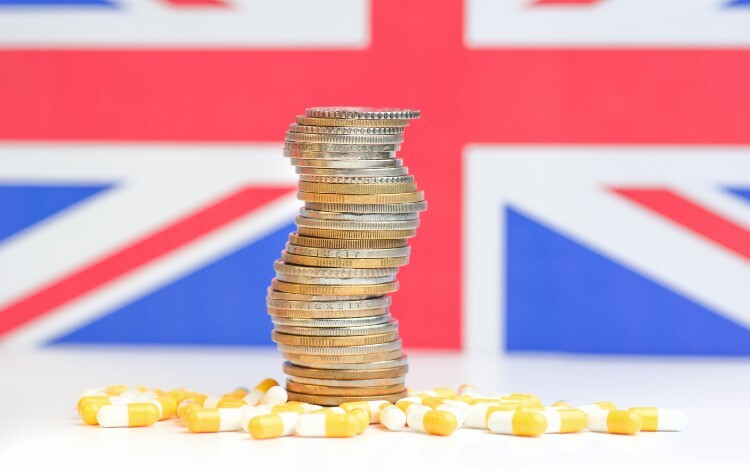
The 2026 payment rate for new medicines under the Voluntary Scheme for Branded Medicines Pricing and Access (VPAG) will be 14.5%, down from 22.9% in 2025.
The lower rate has been driven in part by falling costs, including due to drugs going off patent, so lower revenues can be absorbed within existing budgets, the Department of Health and Social Care (DHSC) said.
This news follows the announcement of a new UK-US trade agreement, which included a commitment to ensure that the VPAG payment rate would not exceed 15% for the next three years.
However, this is ‘only the first step’ towards returning the UK to a more competitive position in the global pharma market, said chief executive of the Association of the British Pharmaceutical Industry (ABPI), Richard Torbett.
Related Article: Six-in-10 pharmacies do not plan to deliver new prescribing services
‘The newly proposed cap on future payment rates for newer medicines should provide companies with greater certainty up to 2028. However, payment rates remain much higher than in similar countries, and there is work to do to accelerate the NHS's adoption and use of cost-effective medicines to improve patient care,’ he said.
VPAG is a voluntary pricing scheme for branded medicines agreed in 2023 by the government, NHS England, and the ABPI as a five-year deal.
The scheme sets an annual cap on how much the NHS can increase its spending on branded medicines. When spending exceeds this cap, pharmaceutical companies must pay rebates to the government – essentially returning excess revenues above the agreed threshold.
These rebate rates were initially forecast at around 15% but rose to 22.9% in 2025 as NHS spending on branded medicines grew from £6.9bn to £8.4bn.
As a result, a September report found that investment in pharmaceutical research and development in the had UK plummeted and there was concern that fewer new medicines would be launched in the country, depriving patients of potentially life-saving treatments.
The government hopes this lower VPAG payment rate will make the UK a ‘more attractive destination’ for clinical trials, manufacturing investment and the launch of new medicines’.
Health innovation minister, Dr Zubir Ahmed, said: ‘As a practicing surgeon, I know firsthand how vital it is that patients have access to the latest medicines and innovative treatments.
Related Article: Warnings for ACE inhibitor side effects strengthened by MHRA
‘This government has already delivered an agreement with the US that will make us the only country in the world to have a deal that secures zero percent tariffs on branded pharmaceuticals to the US.
‘The fall in the rebate rate will cement this, answering the call from leaders in the pharmaceuticals and life sciences sector for a lower and more stable payment rate for branded medicines.’
Science minister Lord Vallance added that innovative medicines have made HIB, heart disease and some cancers into preventable, manageable conditions.
‘We need our brilliant life sciences companies to discover and get important new medicines to patients,’ he added.
For the past 10 year, UK spending on medicines has been around 9% of total health spending. Yet the UK plans to increase investment in new medicines from around 0.3% of GDP to 0.6% of GDP over the next decade so spending on all medicines will rise to 12% of total health spending, according to the ABPI.
Related Article: Adjuvanted trivalent flu vaccine approved for over 50s
To make sure this is delivered, ‘rapid talks’ between the ABPI and the government will take place in the New Year to agree a more sustainable scheme model from 2029 onwards.
Mr Torbett said: ‘The ABPI looks forward to working with the government to set out a sustainable alternative to the VPAG scheme, which will better support the NHS use of medicine, while also encouraging more UK-based research, and larger investment into UK life sciences.’
Have your say
Please add your comment in the box below. You can include links, but HTML is not permitted. Please note that comments are not moderated before publication and the views expressed are those of the user and do not reflect the views of The Pharmacist. Remember that submission of comments is governed by our Terms and Conditions. You can also read our full guidelines on article comments here – but please be aware that you are legally liable for any libellous or offensive comments that you make. If you have a complaint about a comment or are concerned that a comment breaches our terms and conditions, please use the ‘Report this comment’ function to alert our web team.