NICE confirms expanded access to GLP-1s for people with type 2 diabetes
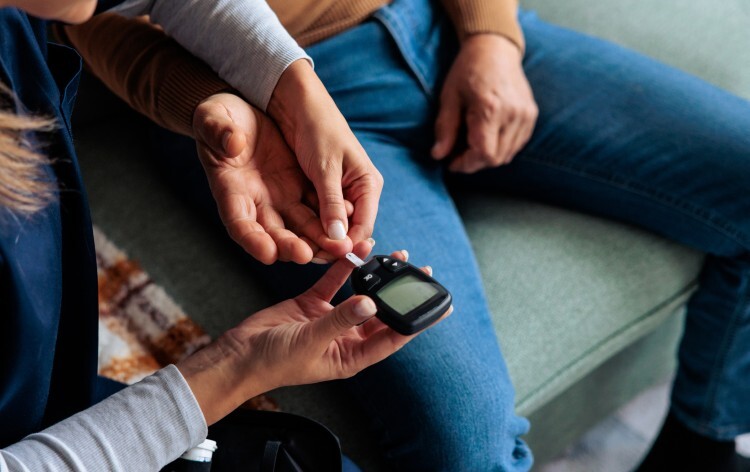
In guidance published today, NICE recommends expanded access to GLP-1 receptor agonists – such as semaglutide, dulaglutide and liraglutide – and tirzepatide. Semaglutide will now be recommended for people with type 2 diabetes who also have cardiovascular disease caused by blocked arteries.
GLP-1 receptor agonists and tirzepatide will be recommended for people who were diagnosed before age 40, or who are living with obesity. Around 810,000 more people could benefit from these medicines, NICE said.
The guidance also recommends that most people with type 2 diabetes should now be offered metformin along with an SGLT-2 inhibitor from the start of treatment.
NICE said that the NHS is set to save millions of pounds because one of the most commonly prescribed SGLT-2 medicines, dapagliflozin, is now available as a clinically equivalent generic version.
The estimated cumulative savings in total for 2025/26 and 2026/27 from generic dapagliflozin would be £560m and this money could be reinvested in other areas of diabetes care, such as education programmes and community support services or other parts of the NHS, according to NICE.
However, NICE added that this is not a ‘one-size-fits-all approach’ as people will ‘work with their healthcare professional to decide the best treatment for them’, based on their own circumstances and preferences (see box for the key recommendations).
Related Article: Travellers beware: what pharmacists need to know about global travel
Analysis by NICE suggests using SGLT-2 medicines earlier in the treatment pathway, and the introduction of GLP-1 receptor agonists and tirzepatide for some people, could prevent around 17,000 deaths over a three-year period across the UK by reducing the risk of heart attacks, strokes and kidney problems.
The decision, which had been anticipated in draft guidance and represents a major ‘shake-up’ to current practice, was based on a ‘significant body of evidence’ that diabetes management should consider cardiovascular and renal protection not just HbA1c targets.
The guidance also asked healthcare professionals to work with each person to ‘find the right treatment for them’, based on their other health conditions, the medicines they already take, and what matters most to them.
Healthcare professionals will check each person’s heart and kidney health before starting treatment, and new medicines should be introduced one at a time to make sure they are well tolerated, NICE added.
A new prescribing guide published alongside this guidance will help healthcare professionals ‘have these conversations and prescribe safely’.
NICE interim director of the centre for guidelines Eric Power said: ‘This is a landmark moment for diabetes care. Our independent committee conducted a rigorous review of the evidence and concluded that by offering certain medicines earlier, we can prevent thousands of heart attacks, strokes and cases of kidney failure — keeping people healthier for longer while reducing pressure on NHS services.
‘But we also found something troubling: these life-saving medicines are currently under-prescribed to women, older people and Black patients.
‘Tackling health inequalities is at the heart of what NICE does, and these recommendations will help ensure everyone with type 2 diabetes gets fair access to the best available treatments.
‘By recommending generic dapagliflozin where clinically appropriate, we’re also freeing up hundreds of millions of pounds that can be reinvested elsewhere in NHS care. This is evidence-based guidance that saves lives and delivers value for the taxpayer.’
Related Article: Beyond the scales: reframing eating disorder recognition in primary care
NICE guideline committee chair Dr Waqaar Shah said: ‘Right now, only around 1 in 5 people with type 2 diabetes and heart disease are receiving the medicines that could protect them from heart attacks, strokes and kidney failure.
‘By recommending these treatments earlier, we have a real opportunity to prevent thousands of serious complications.
‘But every person is different, and the decision about which medicine is right should always be made together with the patient, taking into account their individual circumstances, preferences and what matters most to them.’
Professor Azeem Majeed, head of the department of primary care and public health at Imperial College London, told Pulse that for most healthcare professionals, this represents ‘an evolution rather than a revolution in care’, as many are already prescribing SGLT-2 inhibitors widely.
However, the guidance formalises their earlier use, strengthens the cardiovascular–renal focus, and embeds equity and personalised care ‘more firmly’ into routine diabetes management, he said.
He added: ‘Starting metformin alongside an SGLT-2 inhibitor for most people at diagnosis marks an important shift away from a purely glucose-centric model towards one that prioritises long-term cardiovascular and renal protection.
‘The emphasis on shared decision-making, use of slow-release metformin to improve tolerability, and tailored treatment for younger people, those living with obesity, or those with established cardiovascular or kidney disease are also very positive developments.
Related Article: Sharp rise in diabetes cases prompts call for better postnatal support
‘In primary care, this will mean earlier use of combination therapy, more proactive assessment of cardiovascular and renal risk, and careful discussions with patients about the benefits and potential side effects of newer medicines. General practices will need appropriate support to implement these changes consistently and safely.’
Researchers have recently argued that the recommendation could save many thousands of lives a year.
This article was originally published in our sister publication Pulse.

Keep your clinical knowledge up to date with The Pharmacist
Extend your learning and record your learning outcomes

Have your say
Please add your comment in the box below. You can include links, but HTML is not permitted. Please note that comments are not moderated before publication and the views expressed are those of the user and do not reflect the views of The Pharmacist. Remember that submission of comments is governed by our Terms and Conditions. You can also read our full guidelines on article comments here – but please be aware that you are legally liable for any libellous or offensive comments that you make. If you have a complaint about a comment or are concerned that a comment breaches our terms and conditions, please use the ‘Report this comment’ function to alert our web team.