Wegovy weight-loss pills: everything pharmacists need to know
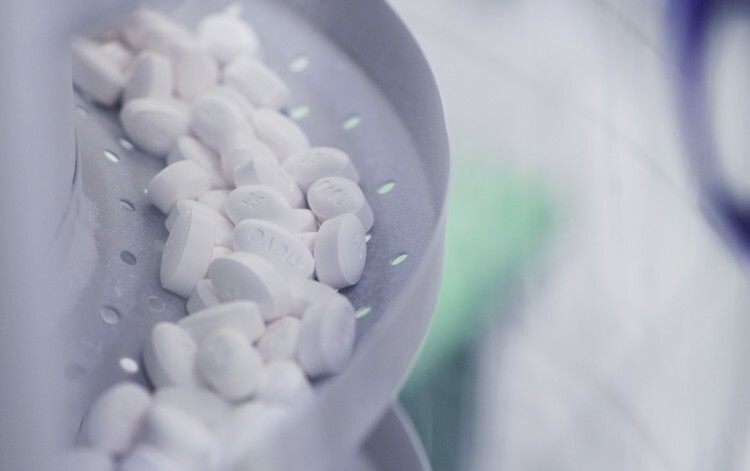
The first weight-loss pill has been approved for UK use and is expected to be available via private prescription within weeks. If the popularity of injectable GLP-1s and US sales of the pill are anything to go by, demand for this new drug will be high.
Given that private provision of weight-loss jabs in community pharmacies has already helped keep many contractors afloat, multiple sources have said this could be a game changer for the sector – one which comes with its fair share of opportunities, caveats and risks.
What is the Wegovy pill and how should it be taken?
The Wegovy weight-loss pill, approved by the medicines regulator on 11 June, should be taken once a day alongside a reduced-calorie diet and increased exercise.
The Medicines and Healthcare products Regulatory Agency (MHRA) said to take the pill with a sip of water first thing in the morning after fasting for at least eight hours.
After taking it, no food or drink should be consumed for at least thirty minutes because this lowers its absorption – stipulations which do not apply to the Wegovy injection.
Digital health provider CheqUp said that this ‘absorption rule’ affects other medicines someone may take in the morning, and urged patients to ask their clinician how to manage the timing of these.
CheqUp added that, unlike injectable GLP-1s, the Wegovy pill is stored at room temperature meaning that pharmacies do not need to keep it refrigerated.
The Wegovy pill has a starting dose of 1.5mg, escalating to 4mg, 9mg and 25mg with a minimum duration of one month at each dose level.
Similarly to weight-loss injections, the most common side effects of the pill are nausea, diarrhoea, constipation and vomiting.
How effective is it?
Novo Nordisk said that the MHRA approval is based on data from the OASIS clinical trial which found that adults with obesity receiving 25mg semaglutide tablets achieved 13.6% weight loss after 64 weeks, compared to 2.4% with placebo.
There were 307 participants involved in the trial, with 205 receiving oral semaglutide and 102 receiving placebos.
Related Article: Wegovy weight loss pill first to get approval in the UK
But Dr Simon Cork, senior lecturer in physiology at Anglia Ruskin University, said that the clinical trials have shown ‘slightly inferior levels’ of weight loss compared to injectable forms, particularly Mounjaro.
He added: ‘Real world results are known to differ from clinical trials, and time will tell how effective these medications are outside of well controlled conditions. Nevertheless, the increasing range of medications allow greater choice for patients, which is ultimately in their best interest.’
Dr Marie Spreckley, a researcher specialising in prevention of diabetes and related metabolic disorders in high risk groups at the University of Cambridge, acknowledged the promising results of the OASIS trial but said the benefits needed to be considered alongside potential side effects and the practical requirements associated with taking the medication.
She added: ‘The tablet must be taken under fasting conditions, and patients must wait before eating or drinking, which may present practical challenges for some people in everyday life.’
She also stressed the importance of wraparound care – including dietary, behavioural and clinical support – and said that access, uptake and long-term adherence should also be considered.
Who is eligible for the pill?
The tablet is authorised to treat adults in the UK with obesity who have:
- A body mass index (BMI) of 30 or above; or
- A BMI between 27 and 30 and at least one weight-related comorbidity.
Patients who are currently being treated privately with a weekly 2.4mg Wegovy injection can be transitioned straight to daily Wegovy 25mg tablets, the medicines agency confirmed.
The MHRA said that although this tablet is approved for UK use, it is not currently available via the NHS. Decisions on NHS use will follow established processes, including an evaluation by the National Institute for Health and Care Excellence (NICE).
Malcolm Harrison, chief executive of the Company Chemists’ Association (CCA) said this was a ‘clear opportunity’ for the government and NHS to commission NHS weight-management services through community pharmacy.
What will it cost?
No official price for Wegovy tablets has been announced in the UK yet, but based on the US market it is likely to be cheaper than the injectable versions.
In the US, the pills cost $149-$299 (£111-£223) per month, with insurance or savings offers reducing this to as little as $25 (£18.60). This compares to $199-399 (£150-£298) a month for the jabs.
However, Dr Cork explained that the active ingredient in oral Wegovy is still a small peptide – a short chain of amino acids – which is somewhat expensive to manufacture.
‘This is in contrast to orforglipron, a recently [US-approved] oral GLP-1, whose active ingredient is a small molecule and shows comparable weight loss to oral Wegovy. Because this drug is a small molecule rather than a peptide, it is cheaper to manufacture and therefore likely to retail for less,’ he said.
What are the benefits of an oral GLP-1?
One of the most important benefits of the pill will be helping people maintain their treatment, according to weight loss support provider CheqUp.
Its chief executive Lisa Tookey said: ‘Many patients approaching their target weight are already reducing doses on their own, without clinical guidance, but an oral option, prescribed and monitored properly, will give people a supported way to step down rather than stop abruptly or taper alone.’
The weight-loss pill also offers a more discreet option for patients who have hidden their treatment due to fears of judgement or stigma, said digital healthcare provider Voy.
The company surveyed 1,000 UK adults who met the criteria for GLP-1 treatment in June 2026 and found that 83% believe there is stigma attached to the medication, with more than half (55%) of those currently taking GLP-1s saying they hid their use from family, friends or colleagues.
Related Article: Pharmacies prepare for ‘significant public interest’ in weight-loss pills
The tablet will also be popular for people with a fear of needles – which the NHS estimates is around one-in-10 people – potentially widening access to weight-loss medication.
Chief medical officer at Voy, Dr Earim Chaudry, said: ‘The arrival of oral GLP-1 medication represents an important step forward, not only because it expands treatment choice, but because it could help remove some of the barriers that prevent people from accessing care in the first place.’
However, superintendent pharmacist at Ashcroft Pharmacy, Suhail Jamil, noted that the Wegovy pill won’t be for everyone. Those who do shift work, have varying routines, or struggle to stick to the tablet’s requirements may find a once-weekly injection more convenient.
What are the risks?
The black market for weight-loss injections is already well established, with the MHRA seizing thousands of doses being illegally manufactured and sold online.
During a recent Health and Social Care Select Committee evidence session on food and weight management, MPs raised concerns that a weight-loss pill will be easier to counterfeit than an injection. This echoed earlier warnings from Andy Morling, head of the Medicines and Healthcare products Regulatory Agency’s (MHRA’s) criminal enforcement unit in The Pharmacist’s inaugural podcast.
Public health minister Sharon Hodgson acknowledged this issue but told the committee that she did not know if conversations had started with the medicines regulator about dealing with rising demand in the counterfeit market.
The MHRA said: 'We work closely with law enforcement partners, other regulators and customs agencies, both in the UK and internationally, to uphold medicines legislation and disrupt criminal supply chains.
'We remain vigilant to emerging threats relating to unauthorised and falsified weight-loss products and, where necessary, will take appropriate enforcement action to protect public health.'
Dr Donald Grant, senior clinical advisor at The Independent Pharmacy, said: ‘It’s an issue we’ve already seen with previous GLP-1 medications, where a host of websites and online sellers have attempted to exploit demand by offering illegal or counterfeit treatments.
‘This can put patients’ safety at serious risk, especially when those who don’t require the treatment purchase it without proper consultation or clinical checks. These fake medications can be extremely dangerous, as there’s no way to guarantee what they contain.’
He warned patients to be wary of weight-loss pill packaging with spelling mistakes, unusual logos, poor-quality printing, broken seals or missing patient information leaflet as well as any service offering instant approval and no consultation process.
Related Article: Guidance for people taking obesity medication, launched by British Dietetic Association
How can pharmacies prepare for ‘significant public interest’ in the pill?
Pharmacies are already gearing up to manage the significant public interest the approval of the Wegovy pill is likely to generate.
Asda Online Doctor surveyed more than 1,800 people who identify as overweight and found that 78% of GLP-1 users were ‘likely’ to switch from injection to the new pill.
A number of online pharmacies – including Superdrug Online Doctor and Boots Online Doctor – have already launched online information registers for people who wish to receive updates and guidance on the pill.
Boots Online Doctor said it had seen a ‘significant increase in traffic’ to its site because of the weight-loss pill approval, and ‘thousands’ of people have registered their interested to learn more about weight-loss services.
In response to this demand, pharmacies should provide patients with ‘clear, balanced clinical guidance’ on the different kinds of weight-loss medication available and what is appropriate for their individual needs, said chief medical officer as Pharmacy2U, Dr Kieran Seyan.
Related Article: Weight-loss pills will be easier to counterfeit than jabs, MPs hear

Keep your clinical knowledge up to date with The Pharmacist
Extend your learning and record your learning outcomes
Have your say
Please add your comment in the box below. You can include links, but HTML is not permitted. Please note that comments are not moderated before publication and the views expressed are those of the user and do not reflect the views of The Pharmacist. Remember that submission of comments is governed by our Terms and Conditions. You can also read our full guidelines on article comments here – but please be aware that you are legally liable for any libellous or offensive comments that you make. If you have a complaint about a comment or are concerned that a comment breaches our terms and conditions, please use the ‘Report this comment’ function to alert our web team.