Teen pregnancy reduced by pharmacy-led services but more needs to be done, says CPE
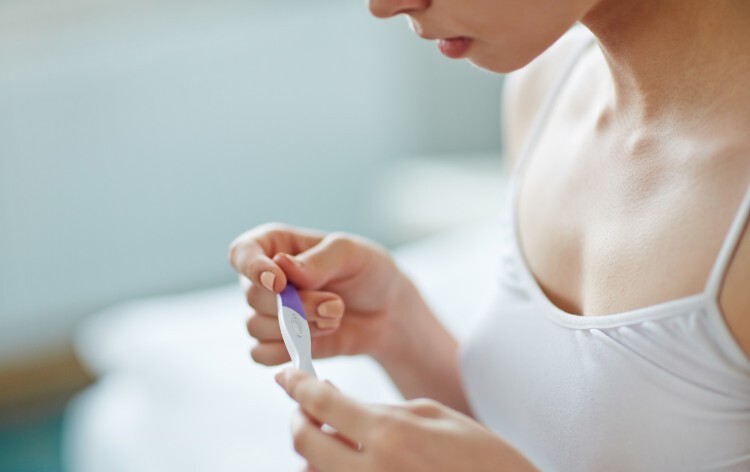
Continued investment in youth-informed pharmacy-led sexual health services is ‘essential’ to tackling an increase in teenage pregnancy, Community Pharmacy England (CPE) has said.
While there has been a sustained decline in teenage pregnancy rates over the last 20 years, progress has slowed and the latest available data from 2022 shows a small increase – a ‘caution against complacency’ according to a report from the Local Government Association (LGA).
The report highlights how local government has worked with community partners, such as community pharmacy, to reduce under-18 conception rates.
Related Article: Research review: a look at the latest clinical papers
It highlights two areas that have been particularly successful with their pharmacy-led sexual health services and youth engagement: Liverpool and Barking and Dagenham.
Liverpool has nearly halved its teenage conception rate – from 35.6% in 2012 to 18.2% in 2022 – through its efforts to improve access to sexual health services.
Liverpool City Council contributed to this by commissioning 18 pharmacies to offer STI testing and chlamydia treatment, and to initiate oral contraception prescriptions for routine contraception. A further 76 pharmacies in the area provided emergency contraception.
Chief officer of Liverpool Local Pharmaceutical Committee (LPC), Matt Harvey, said: ‘Community Pharmacy Liverpool has worked very closely with Liverpool City Council over many years. We were able to steer the sexual health service contract to have a large pharmacy offer.
‘Once the contract was awarded to Axess Sexual Health, we worked collaboratively with the commissioners and the new service to embed multiple services within the city’s pharmacies.’
Barking and Dagenham is another success story, having achieved a 73% reduction in teenage pregnancy between 2011 and 2021 due to collaboration between the council and health partners.
Related Article: Seven illnesses meningitis is often mistaken for
One such initiative was the commissioning of community pharmacies to provide a condom distribution scheme. The initiative was also inspected by young people, allowing them to shape the service.
Yet despite these positive stories, the LGA report found significant regional disparity in rates of teenage pregnancy across England, with London, the South East and the South West having much lower rates than the North West, Yorkshire and the North East.
The report also identified four key factors that had made progress more difficult in recent years:
- A sense of complacency because the ‘rates are down, so the job is done’;
- The impact of the cost of living crisis;
- The legacy of the Covid pandemic which exacerbated many of the pre-existing problems for services and young people;
- Digital services and social media jeopardising access for marginalised young people.
A nationally commissioned NHS Pharmacy Contraception Service – launched in October – will help to reduce the variation associated with locally commissioned services.
Related Article: MenB vaccination programme to be rolled out in pharmacies
At an NHS England webinar last month, pharmacy integration lead for NHS England, Kirsty Armstrong, said community pharmacy was now a ‘one stop shop’ for patients’ contraception needs.
And the Royal Pharmaceutical Society (RPS) recently launched a new women’s health hub, bringing together clinical resources on managing conditions such as excessive menstrual bleeding, contraception and menopause.

Keep your clinical knowledge up to date with The Pharmacist
Extend your learning and record your learning outcomes
Have your say
Please add your comment in the box below. You can include links, but HTML is not permitted. Please note that comments are not moderated before publication and the views expressed are those of the user and do not reflect the views of The Pharmacist. Remember that submission of comments is governed by our Terms and Conditions. You can also read our full guidelines on article comments here – but please be aware that you are legally liable for any libellous or offensive comments that you make. If you have a complaint about a comment or are concerned that a comment breaches our terms and conditions, please use the ‘Report this comment’ function to alert our web team.