Covid vaccine hesitancy declined over time but mistrust persists for certain groups
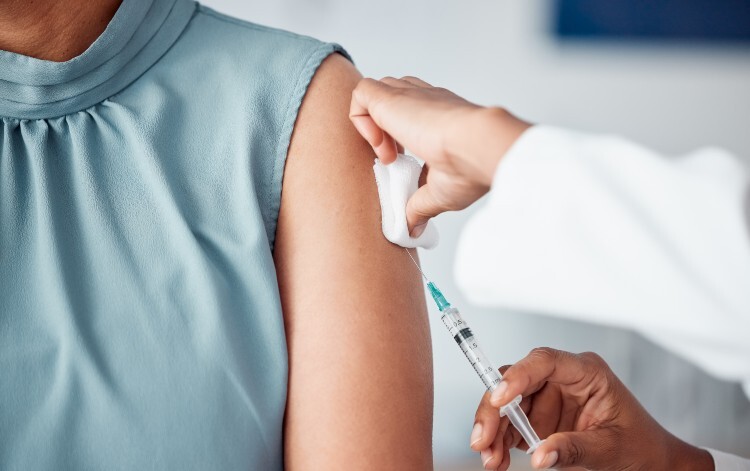
There was a general decline in vaccine hesitancy during the 15 months following the Covid vaccine rollout, according to a new study of more than one million people in England.
The study, led by researchers at Imperial College London, found that hesitancy rates declined from an initial high of 8% of those surveyed in January 2021, to a low of 1.1% at the start of 2022.
People who said their hesitancy stemmed from concerns about vaccine effectiveness and side effective were more likely to change their minds and subsequently get vaccinated.
Related Article: Beyond the scales: reframing eating disorder recognition in primary care
While participants who reported being hesitant because of anti-vaccine sentiment, a mistrust of vaccine developers, or a low perceived risk from Covid, remained more reluctant to receive the vaccine.
Overall, 3.3% of the 1.1 million participants reported some degree of Covid vaccine hesitancy but of those participants, 65% went on to get vaccinated at least once.
People’s reasons for hesitancy varied across different demographics. For example, men were almost twice as likely to report not feeling Covid was a person risk than women (18% vs 10%).
Women were more likely to be worried about fertility-related consequences (21% vs 8%) and those aged 74 or older were more likely to oppose vaccines in general compared with 18-24 year olds (12% vs 2.5%).
Lead author, Professor Marc Chadeau-Hyam, said: ‘We wanted to look at COVID-19 vaccine hesitancy in more depth to identify groups with more persistent forms of hesitancy and their main concerns. Understanding these drivers is critical to address vaccine uptake and better control disease spreads.’
Related Article: Sharp rise in diabetes cases prompts call for better postnatal support
Co-author, Professor Paul Elliott, added: ‘What we learned from the COVID-19 experience is the importance of ensuring that people have access to reliable and trusted information so they can make well-informed decisions about their personal health choices.
‘Reliable, easy-to-understand information, for example, on vaccine effectiveness and potential risks, is of particular importance in the case of a public health emergency such as COVID-19, which involved the rapid deployment at-scale of new vaccine technologies.’
The researchers analysed survey data from 1.1 million adults over the age of 18 (57% female) from the Real-time Assessment of Community Transmission (REACT) Study, at the time of the initial Covid vaccine rollout between January 2021 and March 2022. They compared vaccine attitudes at enrolment with subsequent vaccination uptake from NHS vaccination records up to May 7, 2024.
Related Article: Novo Nordisk launch new 7.2mg single-dose Wegovy pen
Participants were asked whether they had been or intended to get vaccinated against Covid. Those who refused the vaccine, or were sceptical about it, were asked about their reasons for hesitancy from a checklist of 23 options.
Pharmacy owners who intend to provide Covid vaccinations during the spring 2026 campaign were recently reminded to register before 2 February 2026 to ensure that they receive supply of the Covid vaccine in time.

Keep your clinical knowledge up to date with The Pharmacist
Extend your learning and record your learning outcomes

Have your say
Please add your comment in the box below. You can include links, but HTML is not permitted. Please note that comments are not moderated before publication and the views expressed are those of the user and do not reflect the views of The Pharmacist. Remember that submission of comments is governed by our Terms and Conditions. You can also read our full guidelines on article comments here – but please be aware that you are legally liable for any libellous or offensive comments that you make. If you have a complaint about a comment or are concerned that a comment breaches our terms and conditions, please use the ‘Report this comment’ function to alert our web team.