EPS fully rolled out to prison prescribers
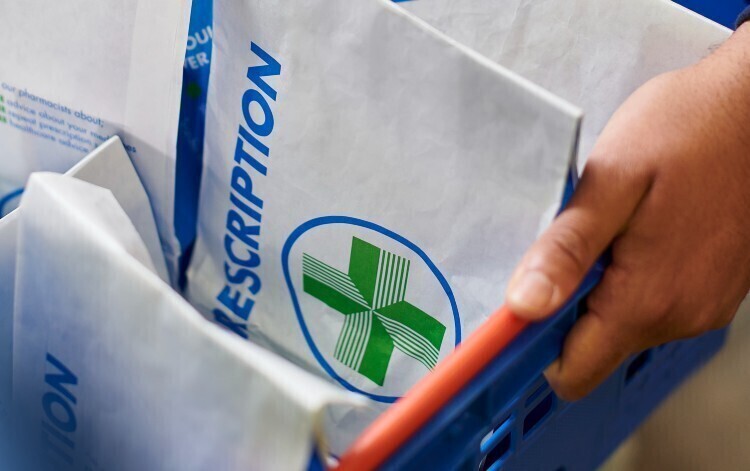
NHS England has announced that the Electronic Prescription Service (EPS) has been fully extended to prison healthcare services in England, with 125 sites now sending electronic prescriptions directly to community pharmacists.
The move means people who have recently been released from prison can enter any pharmacy and obtain their medicines.
It was first extended to prison prescribers in September 2024, as part of a phased rollout.
The completion of this staggered rollout means that prescribers working in prisons can issue electronic prescriptions, removing the need for paper FP10 forms which were previously provided to the patient on release.
The EPS will resolve the need to safely retain a paper prescription which ‘has been a barrier,’ NHS England said in a letter to community pharmacies. It will also replace the dispensing of medicines which can’t be supplied before the patients leaves and avoid the need for patients to return to prison post-release for uncollected discharge medicines.
Related Article: New MHRA and FDA liaison programme announced
Most people are released from prison with a supply of their current medications so they may only need to collect their EPS prescription medication after release. They are also likely to collect it from a pharmacy far from the prison, as many people are not detained close to home.
The EPS covers To Take Out (TTO) medicines given when someone leaves prison, critical prescriptions for essential items that the prison can’t supply, and discharge medications for use once post-release.
Controlled drug instalment prescribing still requires the use of paper FP10 MDA forms.
NHS England thanked pharmacists in a letter for their role in supporting people released from detention, ensuring ‘they receive timely access to medications during this critical transition period, improving healthcare outcomes for these vulnerable individuals’.
How to handle these prescriptions
His Majesty’s Prison (HMP) FP10 or FP10MDA prescriptions, issued to a person released from prison, are exempt from NHS prescription charges and should have the exemption category 0015HMP selected.
The prescriber address section of the prescription must also include the initials HMP or YOI (Young Offenders Institute) to confirm that the prescription is exempt from charges.
This exemption does not apply to immigration removal centre releases, although they may be exempt under alternative exemption categories.
Related Article: Asda Pharmacy launching ‘judgement-free’ disposal scheme for unregulated medicines
According to the NHSBSA, there are currently around 6,000 of these types of FP10s issued annually by prisons but this figure may increase with the availability of EPS.
Although these prescriptions are relatively rare, any pharmacy can receive one so it’s important to understand how to handle them.
Pharmacists should be aware that prescriber codes are not used within the detained system.
These prescriptions may also be ‘non-nominated EPS prescriptions’ – as opposed to having a nominated pharmacy – meaning they will need to be retrieved from the NHS Spine. This is due to uncertainty around where an individual will live after their release from prison.
Some patients may have a token or prescription barcode for their prescription, which can be accessed via the NHS App or their online NHS account.
However, some ex-offenders may not have access to a phone or computer to download their EPS token. In these cases, the pharmacy team will need to locate the prescription using patient information such as their name, date of birth, or the address of the prison they were released from.
Related Article: Thousands of GP appointments freed up through joint working with community pharmacy
Prison prescribers may not be able to amend prescriptions post-release, so patients should be directed to register with a new GP or contact NHS 111 for medication changes.
Pharmacy teams should also handle these prescriptions with discretion and confidentiality because patients may be sensitive to disclosing their detention.
NHS England’s Health and Justice and EPS teams place to extend EPS to secure children’s homes in the future.

Have your say
Please add your comment in the box below. You can include links, but HTML is not permitted. Please note that comments are not moderated before publication and the views expressed are those of the user and do not reflect the views of The Pharmacist. Remember that submission of comments is governed by our Terms and Conditions. You can also read our full guidelines on article comments here – but please be aware that you are legally liable for any libellous or offensive comments that you make. If you have a complaint about a comment or are concerned that a comment breaches our terms and conditions, please use the ‘Report this comment’ function to alert our web team.