Interview: Age UK chief on the role of pharmacists in prevention and meds management
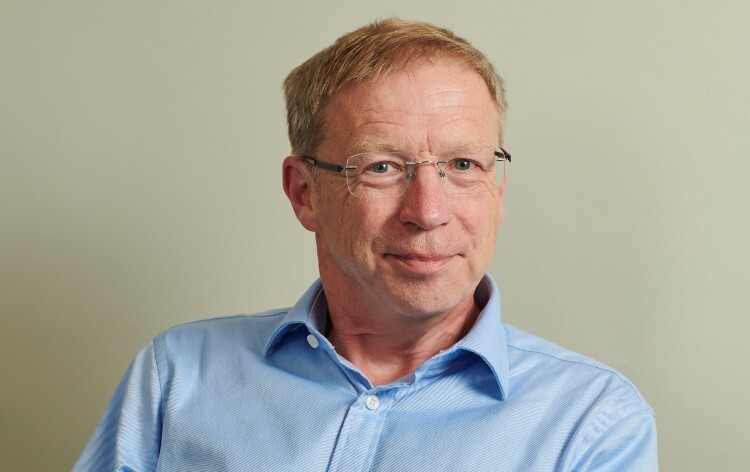
Age UK chief executive officer Paul Farmer spoke to The Pharmacist’s Emily Warner about the role of pharmacists in caring for older people, as well as the opportunity for them to reduce pressure on secondary care. It comes as the government proposes expanding the scope of vaccines pharmacies can deliver offsite – including to residents and carers in care homes.
Emily Warner (EW): What role do pharmacies currently have in caring for older people?
Paul Farmer (PF): Many older people place a lot of reliance in their local community pharmacy. It’s one of the easiest parts of the health service to access and pharmacists have often been in the same community for years and years, so there’s a high level of trust there.
That’s true for all the population but particularly true for older people because, if you’re over 75, you’re likely to have one or more long-term health conditions so you’re going to be a pretty regular visitor to the pharmacist.
EW: What kind of things could the pharmacy sector do to support older people in the future?
PF: One of the things we hear a lot about in this context is medication management. Somebody with a long term health condition – or several – is often prescribed different medications for different conditions, and the thing that gets overlooked is the impact of polypharmacy on them.
Sometimes, the combination of drugs [that an older person is taking] can cause serious side effects. For example, if you take one product which has a risk of making you dizzy and another product that carries the same risk, the chances of you feeling dizzy are heightened. For an older person who is at risk of falling, that’s not good news. Some proactive GPs do consider this, but the general experience of older people is that it doesn’t really happen on a routine basis.
We should think about the role that pharmacists can play here, having conversations with older people about medicine side effects and even deprescribing – a role that goes beyond using the pharmacist as a post box for prescriptions.
I also think we should be encouraging pharmacists to play a greater role in doing health checks – blood pressure, weight, those kinds of things. I walked into my pharmacy the other day and the pharmacist offered me a blood pressure check. I didn’t even know they did blood pressure checks!
EW: What role does the neighbourhood health model play in caring for an ageing population?
PF: The concept of neighbourhood health is really positive. We know that lots of older people would prefer to be treated close to home, but they often end up making long trips to hospital for outpatient appointments which could be handled differently.
The neighbourhood health model is going to be a big shift for the system because there is plenty of help and support close to home, but it’s often not very joined up.
EW: What is Age UK currently lobbying the government for?
PF: We want the government to ensure that neighbourhood health systems prioritise frailty and preventative care. They should think about how to intervene before older people end up in hospital by making sure that they have the right kind of help and support in their home. Basically, we want to put older people at the front of the queue.
That might sound selfish, but it really isn’t because one of the biggest problems that hospitals are facing is large numbers of older people [being admitted]. This means, at one end of the system, there are lots of frail people having extremely long waits and at the other end of the system, you have older people who are medically fit to discharge but can’t go home because they haven’t got a social care package.
If you tackle this at a neighbourhood level, you can reduce the number of A&E admissions and free up more beds – that would make a huge difference to the system.
EW: What are the opportunities and pitfalls of new NHS technology for older people?
PF: Lots of people love accessing NHS services digitally and using the NHS App and we saw lots of older people learning digital skills during Covid so they could WhatsApp their grandchildren.
But many older people like going to the doctor – as long as it’s not too far away – and there are a lot of older people for whom digital engagement is difficult. If you’re 85, a lot of the new technology has passed you by. That’s why choice is really important.
While there’s potential in the shift from analogue to digital, it has to be a choice and not just one route.
EW: Do you have any concerns about the delivery of the 10 year plan?
PF: There’s mayhem in terms of reorganising the system at the moment, so the biggest risk is that the government won’t be able to deliver the plan [they’ve laid out]. Particularly the parts of the plan that focus on prevention because the immediate demand is so pressing that it’s sometimes hard to focus on preventative care.
I think there’s something really interesting though about the capability of community pharmacy to relieve some of that pressure by operating at the top of their license.

Have your say
Please add your comment in the box below. You can include links, but HTML is not permitted. Please note that comments are not moderated before publication and the views expressed are those of the user and do not reflect the views of The Pharmacist. Remember that submission of comments is governed by our Terms and Conditions. You can also read our full guidelines on article comments here – but please be aware that you are legally liable for any libellous or offensive comments that you make. If you have a complaint about a comment or are concerned that a comment breaches our terms and conditions, please use the ‘Report this comment’ function to alert our web team.