Novel flu and coronavirus infections remain greatest health security threats
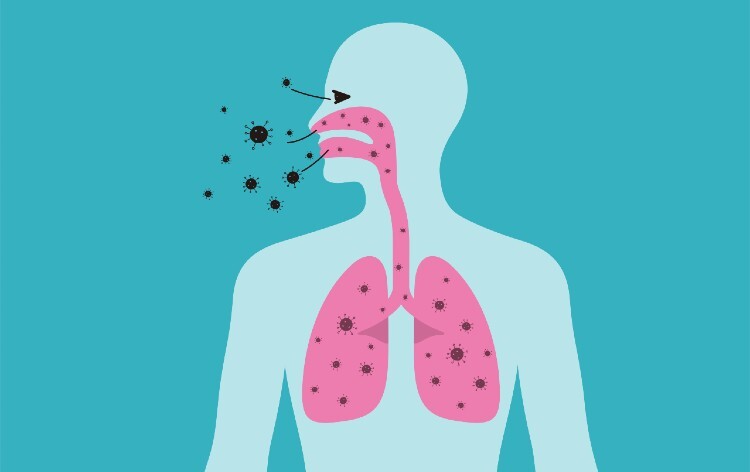
Respiratory infections with pandemic potential, including influenza and novel coronavirus, represent the greatest risks to UK health security over the next five years, a new assessment has warned.
The analysis from the UK Health Security Agency (UKHSA) said this was due to their high potential impact as well as likelihood of happening.
Another pandemic is just one of a range of risks looked at by the first Health Security Risk Assessment, designed to help public health, the NHS and others prepare for the most likely scenarios.
A flu pandemic or one caused by a novel coronavirus scored most highly in having both ‘catastrophic’ potential and having a 5-25% chance of happening.
Other scenarios such as high temperatures caused by heatwaves were classed as more likely – more than 25% chance of happening – but with a moderate impact.
Related Article: HPV vaccine reduces risk of cervical cancer death to 'close to zero'
Seasonal hazards, such as influenza, RSV, and norovirus pose challenges for healthcare capacity and health system coordination with the potential for ‘significant’ impact, the assessment found.
It also noted that emerging infections and antimicrobial resistance are persistent and potentially increasing threats
Recent domestic incidents such as mpox clade Ib, botulism, meningococcal B and hantavirus outbreaks show ‘how rapidly health concerns can escalate’ and the need for effective strategic planning to safeguard the public’s health, the report found.
Setting out a ‘reasonable worse-case scenario’ for a new strain of influenza that leads to a pandemic infecting half the UK population in waves over a two-year period, the report estimated it could cost the economy £1.9 trillion.
Services should plan for around 4% of people needing hospital care with a quarter of those requiring critical care, with the need for mass deployment of antiviral medicines through GP surgeries, pharmacies and special community clinics.
The reasonable worse-case scenario for a novel coronavirus likewise paints a bleak picture of a global pandemic with a large wave of infections and deaths, healthcare services being overwhelmed and routine care cancelled.
Both would have a disproportionate impact on the most vulnerable groups in society, the report said.
Another risk considered by the analysis is continued decline in uptake of MMRV vaccination leading to increased cases of measles which could place ‘considerable strain’ on the NHS, particularly paediatric services, it said.
Related Article: Boots campaign raises awareness for skin disease of the neck
Ongoing national and local campaigns and initiatives to increase MMRV coverage are needed, the report concluded.
The report is the first ‘overarching assessment comparing and contrasting the range of threats that the agency is responsible for’, UKHSA said.
Professor Steven Riley, UKHSA chief data officer added: ‘As we continue to experience risks from a wide range of complex health security threats which disproportionately impact more vulnerable groups in our society, it is vital we continue to enhance our preparedness measures and resilience planning.
‘While high potential impact and assessed likelihood means that respiratory infections with pandemic potential remain our greatest threat’, the analysis also provides assessment on bloodborne and sexually transmitted, contact, gastrointestinal, respiratory, vector-borne, environmental and combined events, he said.
‘This report reflects the breadth of UKHSA’s remit in responding to these threats but is also designed to support our partners in government, health services and other public and private services, who have collaborated extensively on this report to ensure its relevance and rigour.’
Related Article: Warnings for ACE inhibitor side effects strengthened by MHRA
Earlier this year, the Government said it would invest £1 billion over the next five years into readiness for a future pandemic.
Through its Pandemic Preparedness Strategy, it promised to increase PPE stockpiles, improve access to vaccines, and increase testing capacity.
A version of this article was first published on The Pharmacist's sister title Pulse.

Keep your clinical knowledge up to date with The Pharmacist
Extend your learning and record your learning outcomes
Have your say
Please add your comment in the box below. You can include links, but HTML is not permitted. Please note that comments are not moderated before publication and the views expressed are those of the user and do not reflect the views of The Pharmacist. Remember that submission of comments is governed by our Terms and Conditions. You can also read our full guidelines on article comments here – but please be aware that you are legally liable for any libellous or offensive comments that you make. If you have a complaint about a comment or are concerned that a comment breaches our terms and conditions, please use the ‘Report this comment’ function to alert our web team.