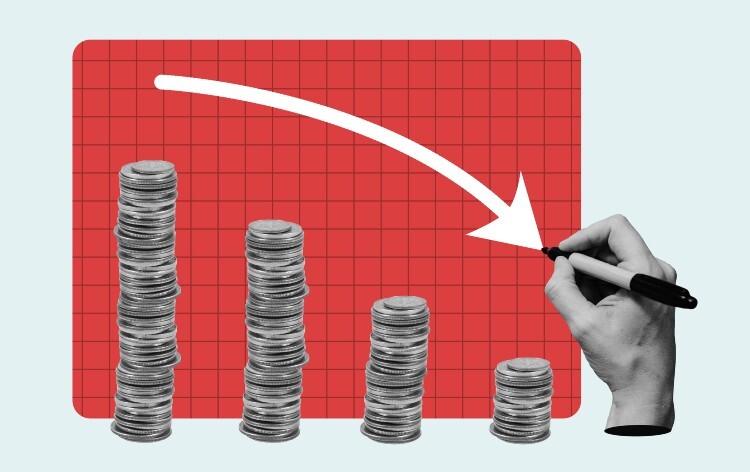
Total pharmaceutical expenditure has fallen for the third year in a row, new official figures show.
Data from the Office for National Statistics (ONS) shows that total pharmaceutical expenditure in 2024 was £35.7 billion in real terms, 3.9% lower than the £37.1 billion real terms expenditure reported in 2023.
This is down from a peak of £46.2 billion in 2021 and the lowest level of real-terms expenditure in ONS figures going back to 2017.
Meanwhile, total pharmaceutical expenditure in nominal terms has fallen three years in a row from a peak £38.2 billion in 2021 to £34.4 billion in 2024, the ONS figures show.
Related Article: New MHRA and FDA liaison programme announced
The ONS attributed this change to a fall in both government and non-government spending.
It said: ‘An overall fall of 3.9% in total pharmaceutical expenditure in real terms was caused by reductions in both government and non‑government spending.
‘A fall in spending on over-the-counter medicines and drugs used as part of wider treatments contributed to lower pharmaceutical spending in 2024.’
The ONS said that total pharmaceutical expenditure incorporated spending on prescribed drugs, over-the-counter (OTC) medicines, vaccines, and the consumption of pharmaceuticals within wider courses of treatment.
Its figures also showed that the amount spent on OTC medicines fell to a new low of £7.6 billion in 2024, making up 21.3% of the total pharmaceutical expenditure that year. This compares with £8.1 billion and 24.1% in 2023.
More than half (54.0%) of the total expenditure in 2024 related to community-prescribed medicines, 7.0% related to immunisation programmes, and 17.8% related to medicines administered as part of courses of treatment.
Related Article: Asda Pharmacy launching ‘judgement-free’ disposal scheme for unregulated medicines
The drop in pharmacy expenditure comes as the ONS figures show that healthcare expenditure grew by 3.8% in real terms from 2023 to 2024 – from £320 billion to £332 billion.
The ONS said that its measure of total pharmacy expenditure represents net expenditure on medicines, accounting for pharmaceutical rebates, as well as payments made through voluntary and statutory payback schemes such as the 2024 voluntary scheme for branded medicines pricing, access and growth (VPAG).
It added that the scale of payments made through payback schemes each year may be affected by previous years’ sales and payments, which can influence growth in overall pharmaceutical expenditure.
Earlier this year a report by PAGB found that the OTC medicines sector saves the NHS £6.4bn a year and delivers significant economic and productivity benefits.
Related Article: Thousands of GP appointments freed up through joint working with community pharmacy
The consumer healthcare association said wider adoption of self-care could unlock a further £1.7bn in annual NHS savings by reducing demand for GP appointments and prescription medicines.
Have your say
Please add your comment in the box below. You can include links, but HTML is not permitted. Please note that comments are not moderated before publication and the views expressed are those of the user and do not reflect the views of The Pharmacist. Remember that submission of comments is governed by our Terms and Conditions. You can also read our full guidelines on article comments here – but please be aware that you are legally liable for any libellous or offensive comments that you make. If you have a complaint about a comment or are concerned that a comment breaches our terms and conditions, please use the ‘Report this comment’ function to alert our web team.