ICBs ration Mounjaro prescribing with additional eligibility criteria
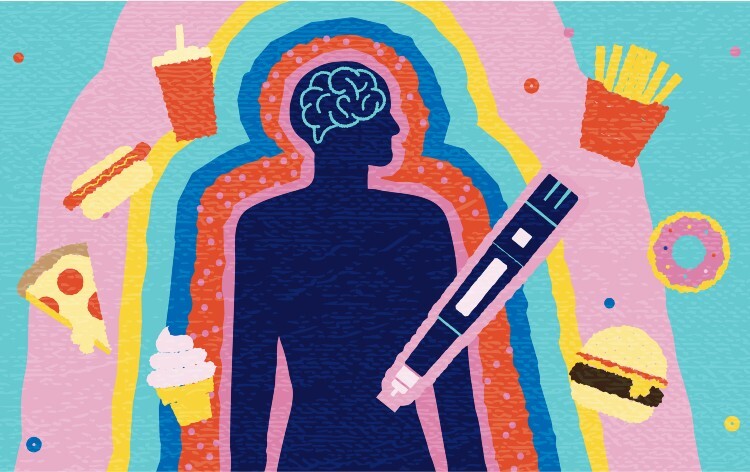
Some ICBs are imposing their own thresholds for prescribing weight-loss drug tirzepatide (Mounjaro) through primary care that go further than the national thresholds, an investigation by The Pharmacist can reveal.
Data obtained from freedom of information (FOI) requests sent to all 42 ICBs found that some areas exclude patients with unstable mental illness, others prioritise patients from more deprived areas, and one ICB is set to require patients to undergo supported attempts to lose weight before being prescribed the drug.
Related Article: New MHRA and FDA liaison programme announced
In June 2025 GPs were given the go ahead to start prescribing tirzepatide (Mounjaro) for obesity. While it has been available since 2022 as a treatment for diabetes, this new indication was described by health secretary Wes Streeting as a ‘game changer’ in the fight against obesity.
Under the national criteria, the first cohort of patients who are eligible for tirzepatide on the NHS must have a BMI over 40 and four or more weight-related comorbidities such as hypertension, sleep apnoea, dyslipidaemia or cardiovascular disease. The second cohort to be prescribed tirzepatide must have a BMI of 35 – 39.9 and four or more comorbidities; the third cohort must have a BMI over 40 and three or more comorbidities.
However, The Pharmacist investigation revealed that many ICBs were implementing their own thresholds. For example:
- Humber and North Yorkshire ICB’s primary care weight management service has a list of exclusion criteria including patients with unstable mental illness, patients with a diagnosed eating disorder, and those who have undergone bariatric surgery in the past 12 months.
- In Lancashire and South Cumbria ICB, only patients who live in one of the most deprived areas – according to the government’s indices of multiple deprivation – are eligible for tirzepatide.
- NHS South Yorkshire ICB will apply the same thresholds for treatment to cohort one but for future cohorts, ‘patients will be required to have completed, in the last 24 months, a supported attempt to lose weight prior to consideration of weight loss drugs’.
- And Greater Manchester ICB has applied ‘local prioritisation’ within cohort one by dividing it into three sub-cohorts to prioritise patients with the highest clinical needs. As well as this, there are clear differences in spend across the country, with deprived areas spending the most.
Meanwhile, NHS spending on tirzepatide has risen by up to 200% since GPs were first able to prescribe it in June 2025. The amount of money spent on tirzepatide by North East and North Cumbria ICB almost tripled from June to September 2025, and most ICBs – including the lowest spenders – saw an upward trend throughout the last year.
Related Article: Asda Pharmacy launching ‘judgement-free’ disposal scheme for unregulated medicines
Professor Azeem Majeed, head of the department of primary care and public health at Imperial College London, says: ‘These areas [that are spending the most on tirzepatide] have some of the highest levels of obesity, type 2 diabetes and socioeconomic deprivation in England, meaning there is a larger pool of people who meet the eligibility criteria set by NICE.’
The new GP contract, published on 24 February, looks to ‘boost’ access to weight loss jabs with £25 million of financial incentives for GPs who support adults living with obesity.
But Dr Katie Bramall, chair of the BMA GPs committee, said earlier this week: ‘Whilst the headlines promise much, in reality there will be no change to NHS England’s eligibility criteria for patients to access injectable weight‑loss medication on the NHS.
Related Article: Thousands of GP appointments freed up through joint working with community pharmacy
‘These proposals will do nothing over the next year to address the divide between those able to pay and those left waiting unable to afford private self-funded treatments.’

Have your say
Please add your comment in the box below. You can include links, but HTML is not permitted. Please note that comments are not moderated before publication and the views expressed are those of the user and do not reflect the views of The Pharmacist. Remember that submission of comments is governed by our Terms and Conditions. You can also read our full guidelines on article comments here – but please be aware that you are legally liable for any libellous or offensive comments that you make. If you have a complaint about a comment or are concerned that a comment breaches our terms and conditions, please use the ‘Report this comment’ function to alert our web team.