Interview: Dame Chi Onwurah remains sceptical about UK-US pharmaceutical deal
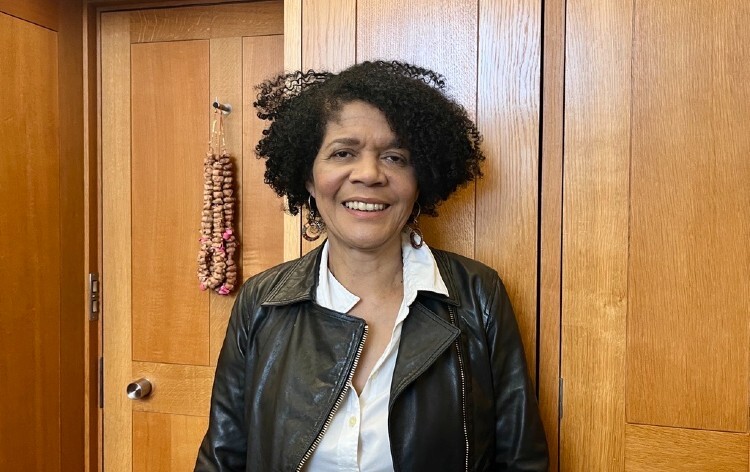
Dame Chi Onwurah, chair of the Science, Innovation and Technology (DSIT) Committee, is a staunch advocate for the UK life sciences sector, but she’s approaching the ‘landmark’ UK-US pharmaceutical deal with a healthy dose of scepticism. Emily Warner reports
The UK agreed a major pharmaceutical deal with the US in December 2025, which secured a 0% tariff on all pharmaceutical exports to the US for at least three years with the aim of expanding access to innovative drugs for UK patients.
However, the Department of Health and Social Care (DHSC) did not publish the full terms of the agreement, leaving several MPs – Dame Chi Onwurah included – sceptical.
On 19 January, Dame Chi wrote to the secretary of state for science, innovation and technology, Liz Kendall, seeking further details on the cost of the deal and how it would be funded. She received a response from science minister Lord Patrick Vallance, confirming that DHSC would fund the deal but not detailing where this money would be taken from.
‘The key issue here is that we don’t know what the details [of the plan] are,’ she explains as we sit on brown armchairs in her Westminster office, a panoramic view of London to the left and a large wooden desk to the right.
‘Minister Vallance and Minister Zubir have gone before the DSIT committee and we’ve had the correspondence from Lord Vallance, so we know what the objectives of the deal are. We support those objectives, but we need to know more of the detail – in particular, the cost to the NHS and who is going to pay that cost,' she adds
Related Article: Pharmacists concerned they will see ‘very little’ of contract funding boost
The deal is expected to cost the health service £1bn and it will be funded through ‘allocations made to DHSC’ at the spending review, according to Lord Vallance’s letter.
He promised that frontline services would be protected but there’s a finite amount of money available to the NHS, and Dame Chi says: ‘If this £1bn is going to the pharmaceutical companies to encourage innovation, what is not being done as a result?
‘Does it mean there will be fewer knee operations? Are we going to be spending less on generic drugs? Are we expecting to save that money through increased use of technology or automation? We don’t have enough transparency about that yet,' says the Labour MP for Newcastle upon Tyne Central and West.
She is also concerned that the cost of the deal will increase as more medicines are approved under the higher NICE cost-effectiveness threshold – which increased from £20,000-£30,000 to £25,000-£35,000 per additional year of good quality life (or ‘quality adjusted life years’ (QALY’s)) as part of the deal.
‘It’s good that the UK pharmaceutical exports won’t be paying tariffs in the US – that should be a boost to the UK pharmaceutical industry which may increase the availability of innovative drugs. My concern is the impact on generic drugs.
‘I would hope it’s not going to have a huge impact, but we don’t have the details to make an assessment of that,' she says.
Dame Chi, who has served as an MP since 2010, feels it is ‘very important’ for coalface pharmacists to be aware of this deal and the impact it may have on their day-to-day responsibilities – whether that is dispensing a larger proportion of innovative medicines compared to generics, more investment in medical devices, or something entirely different.
The DSIT committee is yet to discuss its next steps. They are keen to better understand the implications of this deal for the NHS, but it is difficult to assess given the ‘volatile’ geopolitical situation with the US.
The UK exports more to the US than to any other single country. In 2024, UK exports to the US were worth more than £59 billion, 16% of all UK goods exports, and medicinal and pharmaceutical products is one of the largest categories of goods exported to the UK (worth £11.1 billion over the year to June 2025).
Related Article: Expansion of Pharmacy First a ‘key step’ in delivering preventative care
‘The deal said there would be no tariffs for UK pharmaceutical exports, but then President Donald Trump suggested he might be reneging on that by introducing tariffs for all countries who support Denmark keeping Greenland. Then he reneged on reneging it, so we are back in a position where there are no tariffs,’ Dame Chi explains.
The committee will be keeping a close eye on that special relationship, she adds.
Dame Chi, who received her damehood in January for her work with communities in the North East, is a devoted advocate for the UK life sciences sector. Despite her concerns, she supports the overall aim of the deal: to boost investment from the pharmaceutical industry.
‘We need to have sustained investment in the life sciences sector. It’s a huge problem in my constituency in Newcastle; we have great life sciences start-ups but there’s an issue with access to capital, so it can cost a lot more now to take a drug from idea to commercialisation.
‘Sometimes big pharma companies provide that access to capital by buying out small companies and that is why having the incentives to invest in the UK are important.’
A report from the Association of the British Pharmaceutical Industry (ABPI) in last September found that the UK was ‘losing the race for investment’ in pharmaceutical research and development (R&D).
Related Article: Beyond the scales: reframing eating disorder recognition in primary care
Since 2018, UK pharmaceutical R&D investment has underperformed against global trends, slowing down considerably in 2020 when UK growth fell by 1.9% and falling by almost £100m in 2023.
Dame Chi says she is both ‘concerned and supportive of’ the UK life sciences sector – which is in desperate need of investment – but for her, the jury’s still out on the UK-US deal.
Have your say
Please add your comment in the box below. You can include links, but HTML is not permitted. Please note that comments are not moderated before publication and the views expressed are those of the user and do not reflect the views of The Pharmacist. Remember that submission of comments is governed by our Terms and Conditions. You can also read our full guidelines on article comments here – but please be aware that you are legally liable for any libellous or offensive comments that you make. If you have a complaint about a comment or are concerned that a comment breaches our terms and conditions, please use the ‘Report this comment’ function to alert our web team.