‘Dangerous’ sunscreen misinformation attracts more TikTok engagement
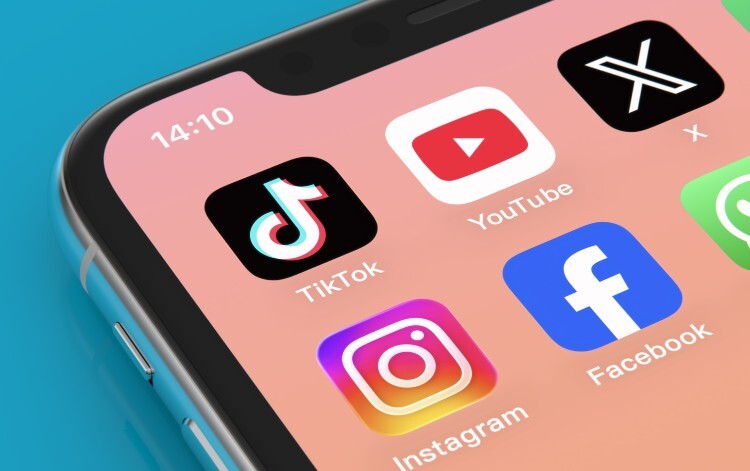
TikTok videos promoting ‘dangerous’ sunscreen misinformation attract 'comparatively' high levels of audience engagement, a new study has found.
Researchers analysed the content from 971 TikTok videos across five popular sunscreen-related hashtags and found that videos critiquing sunscreen – including claims that sunscreen is toxic, cancer-causing, or blocks the health benefits of sun exposure – generated significantly more likes, shares and comments.
The team attributed this ‘concerning’ trend to the viral potential of shock-provoking content, but said that repeated exposure to this sort of misinformation increases its believability.
Related Article: HPV vaccine reduces risk of cervical cancer death to 'close to zero'
Authors of the study, published in PLOS Digital Health on Thursday, said: ‘Sunscreen misinformation on TikTok constitutes an area of concern not for the total sum of overarching influence in terms of content production but rather in how strongly some sunscreen misinformation ideas resonated among particular audiences.’
‘Our analysis showed TikTok is not necessarily flooded with sunscreen misinformation, but TikToks which dangerously claim that sunscreen is harmful or unnecessary receive comparatively high levels of audience engagement,’ they added.
Overall, most of the videos included in the study promoted sunscreen use (86.8%) with only 6% containing health-related critique such as claims that sunscreen causes harm (1.2%) or prevents health benefits like vitamin D absorption (1.2%).
Yet even the content promoting sunscreen was ‘heavily focused on cosmetic benefits’ as opposed to reducing skin cancer risk, with only 6% explicitly mentioning this, the researchers found.
They said: ‘TikTok content creators commonly promoted sunscreen as part of skincare regimens where sunscreen benefits were more commonly related to beauty rather than health.
‘It was surprising to see so many TikToks promoting sunscreen use without specifically mentioning the important role it plays in cancer prevention. Only 6% of the TikToks analysed explicitly mentioned the benefits of reducing the risk of skin cancer.’
Related Article: Boots campaign raises awareness for skin disease of the neck
The researchers urged public health agencies to increase surveillance capacity to observe emerging trends in problematic information and determine the extent of these issues.
They also said their study revealed a ‘missed opportunity’ to communicate the important health benefits of sunscreen at a time when melanoma skin cancer cases in the UK have reached a record high.
The findings come as a Boots launched campaign with England footballer Dan Burn to raise awareness around protecting the back of the neck from the sun to prevent skin disease.
Men are three times more likely to develop melanoma on the neck and scalp than women and account for around 80% of all new cases of melanoma on the neck each year, NHS England data shows.
Related Article: Novel flu and coronavirus infections remain greatest health security threats
To tackle the issue, the health and beauty retailer has launched the social media campaign ‘Dan Won’t Burn’ to remind people to apply sunscreen to the back of their neck and encourage better sun protection.
Meanwhile, the UK Health Security Agency (UKHSA) yesterday issued an updated heat-health alert for parts of England until Tuesday evening, warning that rising temperatures may increase health risks, particularly for vulnerable groups.

Keep your clinical knowledge up to date with The Pharmacist
Extend your learning and record your learning outcomes
Have your say
Please add your comment in the box below. You can include links, but HTML is not permitted. Please note that comments are not moderated before publication and the views expressed are those of the user and do not reflect the views of The Pharmacist. Remember that submission of comments is governed by our Terms and Conditions. You can also read our full guidelines on article comments here – but please be aware that you are legally liable for any libellous or offensive comments that you make. If you have a complaint about a comment or are concerned that a comment breaches our terms and conditions, please use the ‘Report this comment’ function to alert our web team.