Almost 6,500 children treated for severe obesity at specialist NHS clinics
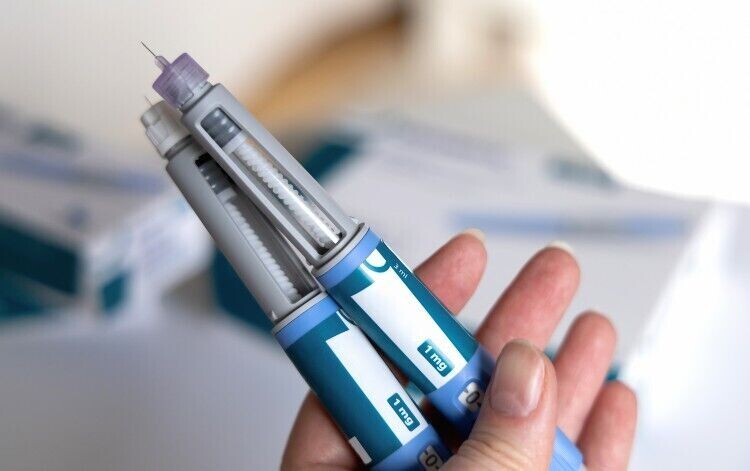
Almost 6,500 children and young people with severe obesity have been treated in specialist NHS weight-loss clinics, new data shows.
Figures presented at this week's European Congress on Obesity in Istanbul revealed that 6,497 children aged 17 and under have been treated at complications from excess weight (CEW) clinics over the last five years.
The NHS has set up 39 CEW clinics since 2021 to provide specialist help to children with severe obesity including providing access to weight loss injections, diet plans, mental health support and coaching.
Research by Sheffield Hallam University, Leeds Beckett University, University of Leeds, University of Bristol and University of Sheffield showed that these clinics have treated 423 children under five years old with a median weight of 33kg.
The data also shows that CEW clinics have supported 1,088 children aged five to eight, 1,791 children aged nine to 12, and 3,137 children aged 13-17.
Related Article: Asda Pharmacy launching ‘judgement-free’ disposal scheme for unregulated medicines
The research found that the thousands of children and young people who received support through CEW clinics maintained more weight loss over time, in comparison to patients who can only access support through separate community and general practice services.
Professor Simon Kenny, NHS England’s national clinical director for children and young people, said: ‘Severe obesity can impact all aspects of a child’s life - affecting their physical health, mental wellbeing and confidence - so it is fantastic that NHS CEW clinics are helping thousands of children and young people turn their lives around.
‘In some cases, these clinics are helping children who could otherwise face a life cut tragically short – dying decades too soon – to look ahead to a full and healthy life.
‘Childhood obesity remains one of the biggest public health challenges facing the country, and the NHS is committed to stepping in early to help prevent serious long-term health complications.’
Separate research by life sciences consultancy stradoo GmbH in 2024 found that a child living with severe obesity at age four who does not lose weight has a life expectancy of just 39, but weight loss can give back decades of life.
The most recent figures from National Child Measurement Programme show that obesity prevalence in Reception-aged children in England increased from 9.2% in 2022/23 to 9.6% in 2023/24.
And the prevalence of obesity in Year 6 children decreased very slightly from 22.7% in 2022/23 to 22.1% in 2023/24.
Analysis of the new NHS data found that the most prevalent physical complications and mental health issues for CEW patients were:
Related Article: Nearly one person a week diagnosed with TB only after death, study finds
- Metabolic dysfunction-associated steatotic liver disease (29.3% of 4,572 assessed);
- Dyslipidaemia/unbalanced levels of lipid fats (17.5% of 1,411);
- Hypertension (17.0% of 3,870);
- Obstructive sleep apnoea (17.0% of 4,379); and
- Type 2 diabetes (6.0% of 3,676).
NHS England said that the criteria for a young person to be referred to a CEW clinic was having a body mass index above the 99.6 percentile and a complication of excess weight.
Patients can be referred to CEW clinics by a range of clinicians including community paediatricians, secondary care paediatricians, GPs, and mental health specialists.
Dr Cath Homer, associate professor in obesity and public health at Sheffield Hallam University and co-lead of the CEW clinic evaluation, said: ‘Severe childhood obesity remains a major public health challenge in England, affecting approximately 15% of children aged between two and 15.
‘Living with severe obesity during childhood and adolescence carries the risk that it will persist into adulthood, which would lead to an increased risk of many other serious health issues, including early onset cardiometabolic, respiratory, neurological and psychosocial problems, reducing people’s quality of life and life expectancy.’
The new data comes as UK researchers have developed a prediction tool to identify those most as risk of obesity-related conditions and potentially inform the use of weight loss injections.
Related Article: Childhood vaccine changes boost MenB uptake, UKHSA data shows
The risk tool, known as OBSCORE, was developed with data from 200,000 middle-aged adults taking part in the UK Biobank study with a BMI of 27 and over.
The teams said it needs further evaluation in clinical trials but could one day help the NHS prioritise patients for weight loss medications.
Earlier this year England’s chief medical officer Professor Sir Chris Whitty warned that preventing obesity was ‘overwhelmingly better’ than allowing rates to rise and putting people on weight loss drugs.

Keep your clinical knowledge up to date with The Pharmacist
Extend your learning and record your learning outcomes
Have your say
Please add your comment in the box below. You can include links, but HTML is not permitted. Please note that comments are not moderated before publication and the views expressed are those of the user and do not reflect the views of The Pharmacist. Remember that submission of comments is governed by our Terms and Conditions. You can also read our full guidelines on article comments here – but please be aware that you are legally liable for any libellous or offensive comments that you make. If you have a complaint about a comment or are concerned that a comment breaches our terms and conditions, please use the ‘Report this comment’ function to alert our web team.