Community pharmacy hailed as ‘vital partner’ in London’s neighbourhood model
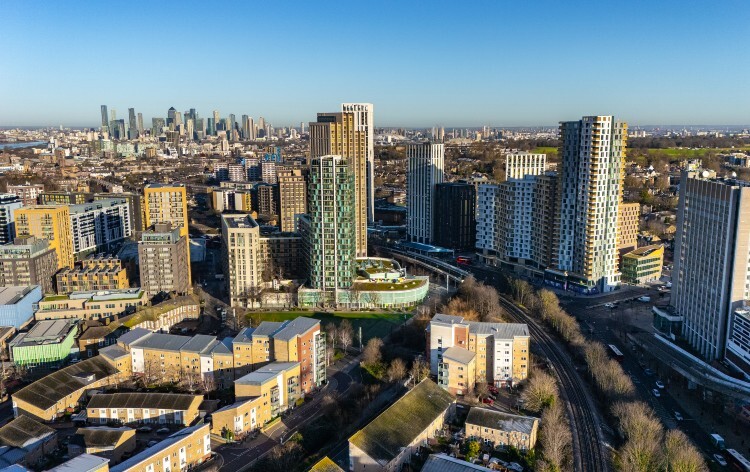
South East London Integrated Care Board (ICB) has described community pharmacy as a 'vital partner in reducing health inequalities' and essential to the delivery of care at neighbourhood level, as London continues to implement its new 'team of teams' health model.
Earlier this month, London’s neighbourhood health model was heralded as an example of how integrated care could be delivered at a local level in a report by Community Pharmacy England (CPE).
The report, called A prescription for success, was written by health policy advisor Helen Buckingham and examined community pharmacy’s role in delivering the government’s 10 year health plan. It implied that the London model would enable community pharmacy to play a ‘full role’ in neighbourhood healthcare.
In London, all five ICBs have signed up to a shared operating model that places community pharmacy within the 'hyper-local' tier of integrated neighbourhood teams (INTs).
Related Article: HPV vaccine reduces risk of cervical cancer death to 'close to zero'
These hyper-local services are expected to serve as first points of contact for residents and include general practice, voluntary and community sector organisations, and others with deep community knowledge.
Above this tier sit three others: consistent functions, such as district nursing and mental health services, which are expected to be delivered across all INTs; tailored functions, which reflect the needs of local populations; and aligned specialist functions that support INTs with consultant input and multi-disciplinary case planning.
The model is intended to offer joined-up care close to home, improve prevention and reduce demand across the system, with hyper-local services expected to identify health needs early and work under shared care protocols to coordinate with the wider integrated team.
The Target Operating Model, published in May 2025, sets out how the full neighbourhood health service is being implemented across London's 32 boroughs over the next two years.
South East London ICB insisted that pharmacy was critical to its neighbourhood health vision.
A spokesperson told The Pharmacist: 'Community pharmacy offers hyper-local, culturally competent care through 232 pharmacies across South East London, operating extended hours and providing walk-in access.
‘This accessibility, combined with clinical capability, makes pharmacy a vital partner in reducing health inequalities and improving population health outcomes.'
The ICB said it had embedded community pharmacy neighbourhood leads (CPNLs) – dedicated roles designed to strengthen local relationships, improve communication with health teams and strengthen pharmacy representation in neighbourhood governance structures.
Related Article: Boots campaign raises awareness for skin disease of the neck
It also pointed to its delivery of over 100,000 Pharmacy First consultations and its piloting of pharmacist-led care models under joint governance, ahead of the 2026 independent prescribing mandate.
In addition, the ICB said community pharmacy is contributing to referral pathways for cancer, health and wellbeing interventions and medicines optimisation programmes, all aligned with local population health goals.
It is also developing a five-year strategic commissioning plan with a dedicated medicines and pharmacy section, to position pharmacy as a 'strategic provider' rather than a 'transactional service'.
The focus on partnership working is echoed across London. North Central London ICB emphasised its collaboration with the Local Pharmaceutical Committee as it embeds pharmacy into neighbourhood teams.
Related Article: Novel flu and coronavirus infections remain greatest health security threats
It said pharmacists were 'highly skilled and important in managing long-term conditions in the community, providing advice and help to communities, and have a large role to play in preventing disease'.
A spokesperson added: 'We see pharmacy as playing an important role in the delivery of neighbourhood health and are clear their role is a key part of the local care and support network.'
It comes as MPs have urged ministers to continue funding neighbourhood mental health centres, as their funding is not guaranteed beyond April.

Have your say
Please add your comment in the box below. You can include links, but HTML is not permitted. Please note that comments are not moderated before publication and the views expressed are those of the user and do not reflect the views of The Pharmacist. Remember that submission of comments is governed by our Terms and Conditions. You can also read our full guidelines on article comments here – but please be aware that you are legally liable for any libellous or offensive comments that you make. If you have a complaint about a comment or are concerned that a comment breaches our terms and conditions, please use the ‘Report this comment’ function to alert our web team.